Pneumatic conveying systems are integral to the efficient handling and transportation of chilli powder, a critical component in food processing and manufacturing. For businesses dealing with chilli powder, understanding the key components of such systems is essential for optimizing operations, ensuring product quality, and maintaining safety standards. This article explores the essential elements that constitute a pneumatic conveying system designed specifically for chilli powder, highlighting the expertise of Shandong HeadPowder Engineering Co., Ltd., a leading provider in the field.
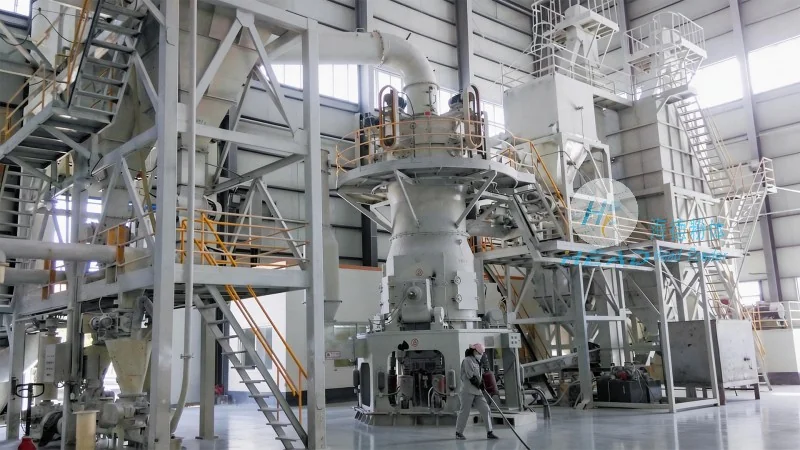
Introducing Shandong HeadPowder Engineering Co., Ltd.
At the heart of reliable chilli powder pneumatic conveying solutions is Shandong HeadPowder Engineering Co., Ltd., commonly known as headpowder. With a strong presence in China, particularly in Shandong, this company specializes in engineering and manufacturing advanced pneumatic conveying systems tailored to the unique demands of the food industry. Their commitment to quality, innovation, and customer satisfaction has established them as a trusted partner for businesses seeking efficient and safe methods for handling chilli powder.
Key Components of a Pneumatic Conveying System for Chilli Powder
A pneumatic conveying system for chilli powder typically consists of several interconnected components, each playing a vital role in the overall operation. The primary elements include the hopper or feed device, which stores and feeds the chilli powder into the system. This is followed by the conveying line, which can be either a positive or negative pressure system, depending on the specific requirements. The line may feature various sections such as the inlet, the main pipeline, and the outlet, often equipped with specialized fittings and valves to control the flow and pressure. Additionally, the system may incorporate a filter or dust collector to manage the fine particles of chilli powder, ensuring environmental compliance and product purity. The control system, including sensors and automation, monitors and regulates the conveying process, enhancing efficiency and reducing operational risks.
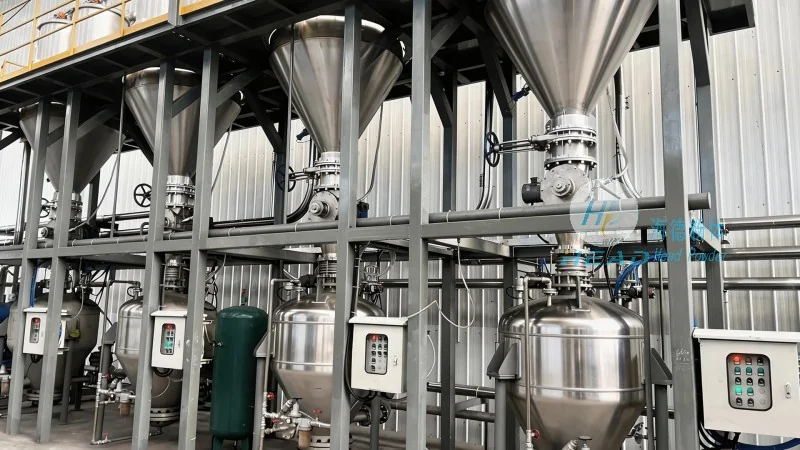
The Role of the Hopper and Feed Mechanism
The hopper is the initial component where chilli powder is stored before being fed into the pneumatic conveying system. It is designed to handle the bulk material and provide a consistent flow to the conveyor. The feed mechanism, often a rotary valve or a screw feeder, regulates the amount of powder entering the system, preventing overloading and ensuring smooth operation. For chilli powder, which can be prone to caking or bridging, the hopper may include features like agitators or vibrators to maintain material flow and prevent blockages.
Conveying Line and Pressure Systems
The conveying line is the core of the pneumatic system, responsible for transporting the chilli powder from the feed point to the discharge point. There are two main types of pressure systems: positive pressure and negative pressure. Positive pressure systems use a blower or fan to force air and powder through the line, while negative pressure systems create a vacuum to draw the powder into the line. The choice between these systems depends on factors such as the distance to be covered, the volume of material, and the need to minimize product degradation. The line is typically made of materials like stainless steel or food-grade plastic to prevent contamination and ensure durability. Specialized fittings, such as elbows, tees, and bends, are used to direct the flow and maintain the pressure within the system.
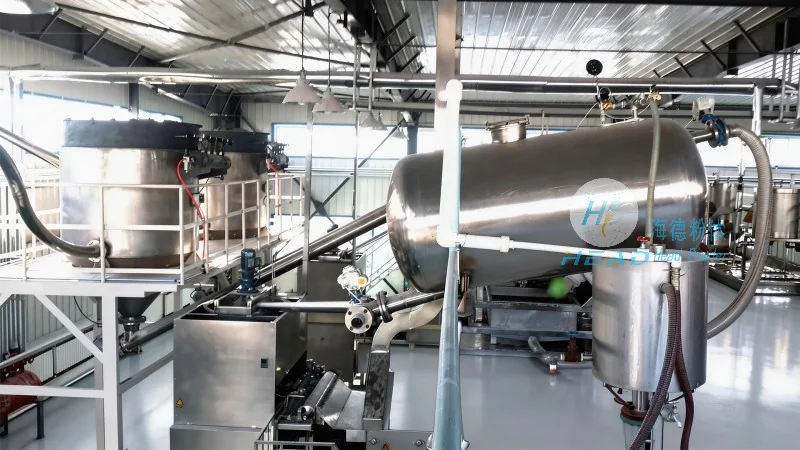
Filter and Dust Control Systems
Chilli powder is a fine, particulate material that can generate significant dust during handling. To comply with environmental regulations and maintain product quality, a filter or dust collector is essential. These systems capture the fine particles and return them to the conveying line, preventing emissions into the environment. The filter may be a baghouse or a cartridge filter, depending on the scale of the operation. Regular maintenance of the filter is crucial to ensure optimal performance and prevent system downtime.
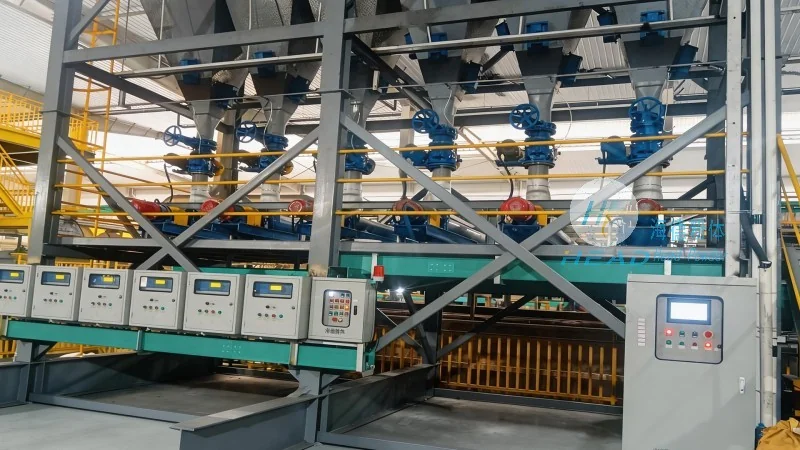
Control and Automation Systems
Modern pneumatic conveying systems for chilli powder are equipped with advanced control and automation features. Sensors, such as pressure sensors and flow meters, monitor the system's performance in real-time, providing data on pressure, flow rate, and material level. This information is used to adjust the system parameters, ensuring efficient operation and preventing issues like overpressure or underflow. Automation systems can also include safety features, such as emergency shut-off valves, to protect both the equipment and the personnel operating the system.
Conclusion: Choosing the Right Pneumatic Conveying System for Chilli Powder
For businesses in the chilli powder industry, selecting the appropriate pneumatic conveying system is a critical decision that impacts operational efficiency, product quality, and safety. The components discussed above—hopper, feed mechanism, conveying line, filter, and control systems—work together to create a reliable and efficient system. By partnering with a reputable company like Shandong HeadPowder Engineering Co., Ltd., businesses can ensure that their pneumatic conveying system is tailored to their specific needs, providing long-term benefits and support. With their expertise and commitment to quality, headpowder offers comprehensive solutions that meet the demands of the modern food processing industry.




