Feather powder pneumatic conveying lines are advanced industrial systems designed to transport fine powder materials, such as feather powder, through an air-driven process. These systems are integral to various industries, offering efficient, dust-free, and flexible material handling solutions. This article explores the underlying principles of these systems and highlights key working scene characteristics that define their practical applications.
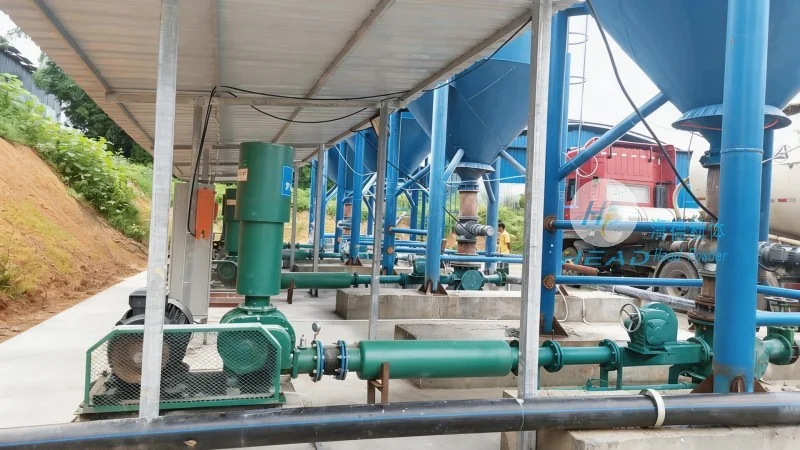
Overview of Feather Powder Pneumatic Conveying Systems
Feather powder, a fine particulate material derived from poultry processing, poses unique handling challenges due to its light weight, high dust potential, and potential for caking. Traditional bulk material handling methods, like belt conveyors or screw conveyors, may not be suitable for such delicate powders, as they can cause material degradation, contamination, or operational inefficiencies. Pneumatic conveying systems address these challenges by utilizing compressed air to transport powder in a sealed, controlled environment, ensuring minimal product loss and maintaining product integrity.
The Fundamental Principle of Pneumatic Conveying
The core principle of pneumatic conveying is the use of air as a medium to move powder particles through a pipeline. There are two primary types of pneumatic conveying: dilute phase and dense phase. Dilute phase systems operate at higher air velocities, typically 20-30 m/s, and are suitable for transporting fine powders over short to medium distances. Dense phase systems, on the other hand, use lower air velocities (5-15 m/s) and higher air-to-material ratios, which allow for more controlled and gentle material transport, reducing the risk of particle degradation and ensuring stable flow.
In the context of feather powder, dilute phase systems are often preferred for their ability to handle fine particles efficiently while maintaining low pressure differentials. The system typically consists of a feeder, a compressor, a pipeline network, and a receiver. The feeder meters the powder into the pipeline, while the compressor generates the necessary air pressure to move the material. The pipeline transports the powder-air mixture to the receiver, where the powder is separated from the air and collected. The air is then filtered and recycled back to the compressor, creating a closed-loop system that minimizes energy waste and environmental impact.
Key Working Scene Characteristics
The working scene characteristics of feather powder pneumatic conveying lines are shaped by several factors, including material properties, operational requirements, and environmental considerations. These characteristics define how the system performs in real-world applications and influence its suitability for different industries.
1. Material Handling Efficiency and Product Integrity
One of the most critical characteristics is the system's ability to maintain the quality of feather powder. Pneumatic conveying minimizes direct contact between the powder and mechanical components, reducing the risk of attrition, contamination, or caking. The sealed pipeline environment also prevents exposure to moisture, odors, or contaminants from the surrounding air, ensuring that the final product remains consistent and meets quality standards. This is particularly important in industries where feather powder is used as a raw material, such as in the production of animal feed, cosmetics, or biofuels.
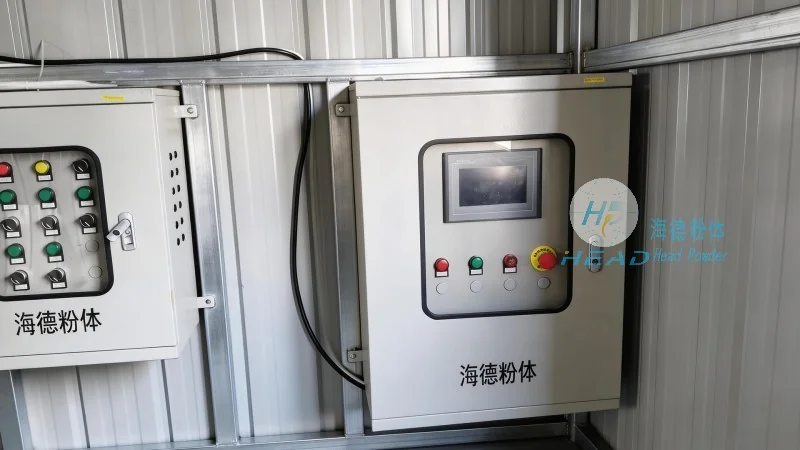
2. Dust Control and Environmental Safety
Feather powder is a fine, powdery material that can easily generate dust, which poses health and safety risks to workers and can lead to environmental contamination. Pneumatic conveying systems are inherently dust-free, as the powder is contained within the pipeline and the air is filtered before release. This not only protects the health of personnel but also complies with environmental regulations regarding particulate emissions. The closed-loop system further reduces the amount of air released into the environment, minimizing the impact on air quality.
3. Flexibility and Scalability
Pneumatic conveying systems are highly flexible and can be easily adapted to changing production needs. The modular design allows for the addition or removal of pipeline sections, making it suitable for both small-scale and large-scale operations. The system can also be integrated with other equipment, such as storage silos, mixers, or processing units, creating a comprehensive material handling solution. This flexibility is particularly valuable in industries where production volumes or product types may vary over time.
4. Energy Efficiency and Cost-Effectiveness
While pneumatic conveying requires compressed air, modern systems are designed to be energy-efficient. The use of high-efficiency compressors and optimized pipeline designs reduces energy consumption and operating costs. Additionally, the closed-loop system minimizes air loss, further improving energy efficiency. Compared to traditional methods, pneumatic conveying can offer long-term cost savings by reducing material loss, maintenance costs, and environmental compliance expenses.
Real-World Application Scenarios
Feather powder pneumatic conveying lines are widely used in various industries, each with specific requirements that the system addresses effectively. The following are some common working scene examples:
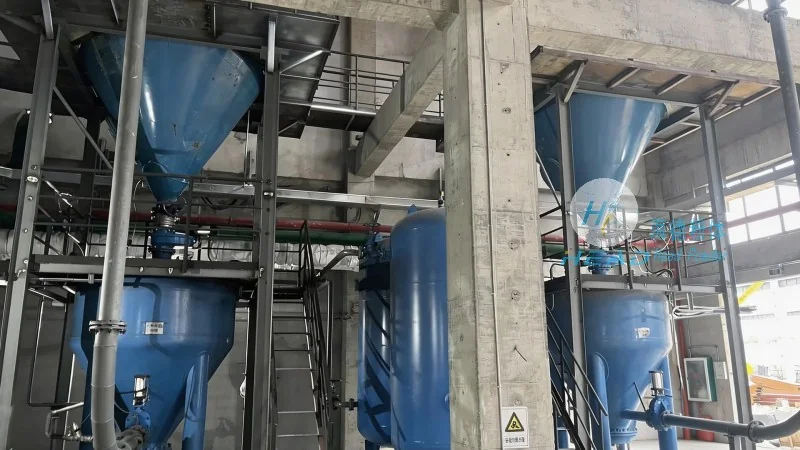
1. Animal Feed Production
In the animal feed industry, feather powder is often used as a protein source. Pneumatic conveying systems are used to transport feather powder from storage silos to feed mixers or processing lines. The system ensures that the powder is delivered consistently and without contamination, maintaining the quality of the final feed product. The dust-free operation also protects workers from respiratory issues associated with handling fine powders.
2. Cosmetic and Personal Care Manufacturing
Feather powder is used in some cosmetic products, such as powders or creams, where the material must meet stringent quality standards. Pneumatic conveying systems are employed to transport the powder from raw material storage to production lines, ensuring that the powder remains free from contaminants and maintains its fine particle size. The gentle handling of the material prevents degradation, which is crucial for maintaining the product's texture and performance.
3. Biofuel and Renewable Energy Production
Feather powder can be used as a feedstock for biofuel production, such as in the generation of biogas or bioethanol. Pneumatic conveying systems are used to transport the powder from storage to processing units, where it is mixed with other materials or converted into fuel. The efficient and dust-free transport ensures that the biofuel production process operates smoothly and that the final product meets energy standards.
Conclusion
Feather powder pneumatic conveying lines represent a sophisticated solution for handling fine powder materials, offering advantages in efficiency, product integrity, and environmental safety. The fundamental principles of pneumatic conveying, combined with the working scene characteristics tailored to feather powder, make these systems ideal for various industrial applications. As industries continue to seek more sustainable and efficient material handling solutions, pneumatic conveying systems will likely play an increasingly important role in the processing of delicate materials like feather powder.
Shandong HeadPowder Engineering Co., Ltd., a leading provider of pneumatic conveying solutions, specializes in designing and manufacturing customized systems for feather powder and other fine powders. With a focus on innovation and customer satisfaction, the company ensures that its systems meet the unique requirements of each application, delivering reliable and efficient material handling solutions. Based in Shandong, China, HeadPowder Engineering leverages its expertise to help businesses optimize their operations and achieve their production goals.




