For many industries dealing with bulk powders, efficient and reliable material handling is a critical operational challenge. Among the various methods available, pneumatic conveying stands out as a versatile solution for transporting materials like pepper powder, which requires careful handling to maintain product quality and consistency. This article explores the concept of pepper powder pneumatic conveying, detailing the working principles of powder handling systems and how they apply to the specific needs of the spice industry.
Pneumatic Conveying: A Brief Overview
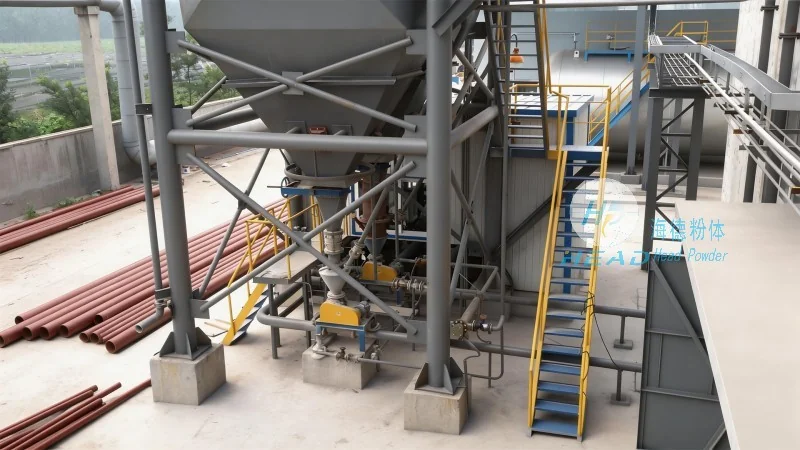
Pneumatic conveying systems use air or other gases to transport bulk materials through a pipeline network. Unlike mechanical systems that rely on belts, screws, or buckets, pneumatic systems offer advantages such as minimal product contamination, reduced risk of product degradation, and the ability to handle a wide range of particle sizes and moisture content. The core components of a typical pneumatic conveying system include a material feed hopper, a conveying line, a control valve, and a receiver or discharge point. The system operates by creating a pressure differential, either by suction (negative pressure) or pressure (positive pressure), to move the powder through the pipeline.
How Pepper Powder Pneumatic Conveying Works
When it comes to pepper powder, the choice of pneumatic conveying method depends on factors like the powder's density, flowability, and the required distance and height of transport. Two primary types of pneumatic conveying are commonly used: dilute-phase and dense-phase. Dilute-phase systems operate at higher velocities, typically 20-30 meters per second, and are suitable for short distances or when the powder is free-flowing. Dense-phase systems, on the other hand, use lower velocities (5-15 meters per second) and higher air-to-material ratios, making them ideal for longer distances or when the powder has poor flow characteristics. The process begins with the pepper powder being fed into the system from a storage silo or hopper. The powder is then introduced into the conveying line, where it is mixed with air under controlled pressure. As the mixture travels through the pipeline, the air velocity and pressure maintain the powder in a suspended state, preventing caking or blockages. At the discharge point, the air is separated from the powder, often using a cyclone separator or a filter, and the pepper powder is collected in a receiving container.
The Role of HeadPowder in Pepper Powder Handling
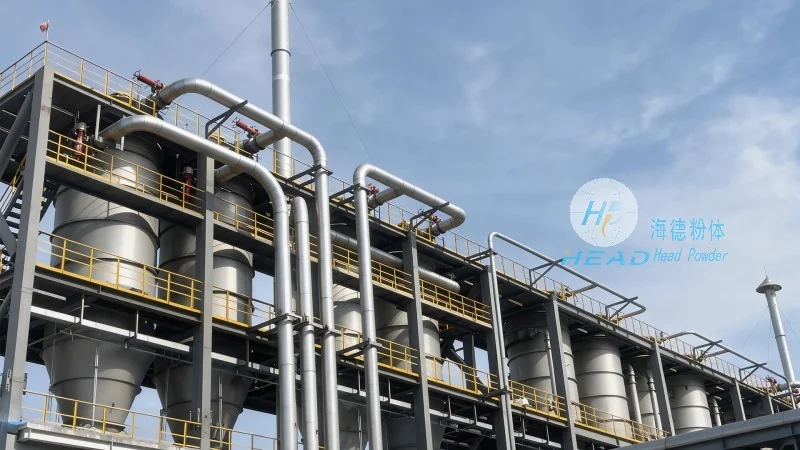
Shandong HeadPowder Engineering Co., Ltd., a leading manufacturer of powder handling equipment, specializes in designing and supplying customized pneumatic conveying systems tailored to the unique requirements of the spice industry. With years of experience in the field, HeadPowder understands the importance of maintaining the quality and integrity of pepper powder during transport. Their systems are engineered to handle the specific challenges posed by pepper powder, such as its tendency to clump or absorb moisture. The company's expertise lies in selecting the appropriate conveying method (dilute or dense-phase) and configuring the system components—such as the feed hopper design, pipeline diameter, and control valve type—to ensure optimal performance. HeadPowder's solutions are designed to minimize product degradation, reduce downtime, and enhance overall operational efficiency for pepper processing facilities.
Key Benefits of Using Pneumatic Conveying for Pepper Powder
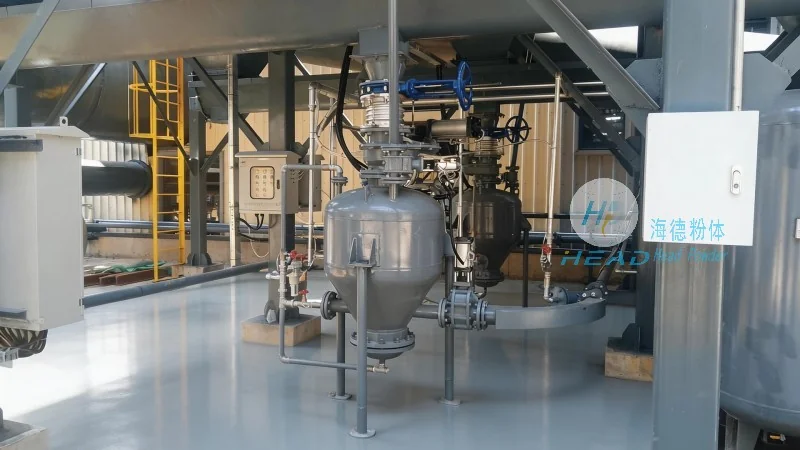
Implementing a pneumatic conveying system for pepper powder offers several key benefits that can significantly improve the efficiency and profitability of a spice processing operation. First, the system provides a hygienic and contamination-free method of transporting the powder, which is crucial for maintaining food safety standards. Unlike mechanical systems that may introduce metal particles or other contaminants, pneumatic systems use enclosed pipelines, reducing the risk of cross-contamination. Second, pneumatic conveying allows for precise control over the flow rate and pressure, enabling accurate dosing and minimizing waste. This is particularly important in pepper processing, where consistent product quality is essential for meeting market demands. Third, the system can handle large volumes of powder with minimal labor, reducing the need for manual handling and associated risks. Additionally, pneumatic conveying systems are flexible and can be easily integrated with existing processing lines, making them a cost-effective solution for both new and existing facilities. Finally, the energy efficiency of modern pneumatic systems, combined with their low maintenance requirements, contributes to long-term operational savings.
Conclusion: Choosing the Right Powder Handling Solution
For businesses in the pepper processing industry, selecting the right powder handling system is critical to ensuring product quality, operational efficiency, and compliance with industry standards. Pneumatic conveying, particularly with specialized designs for pepper powder, offers a reliable and effective solution. By understanding the working principles of these systems and partnering with experienced manufacturers like Shandong HeadPowder Engineering Co., Ltd., companies can optimize their material handling processes and achieve better results. Whether for short-distance transport within a processing plant or long-distance delivery to distribution centers, pneumatic conveying systems provide the versatility and performance needed to meet the demands of the spice industry. With proper design and implementation, these systems can enhance product quality, reduce costs, and improve overall operational performance, making them a valuable investment for any pepper processing operation.




