Phosphate sodium, a critical chemical compound widely used in various industrial applications, often requires efficient and reliable transportation methods. Pneumatic conveying systems have emerged as a preferred solution for handling such powders, offering advantages in terms of safety, flexibility, and operational efficiency. This article delves into the concept of phosphate sodium pneumatic conveying, exploring the fundamental principles behind powder handling systems and how they facilitate the movement of this vital material.
Introduction to Pneumatic Conveying Systems
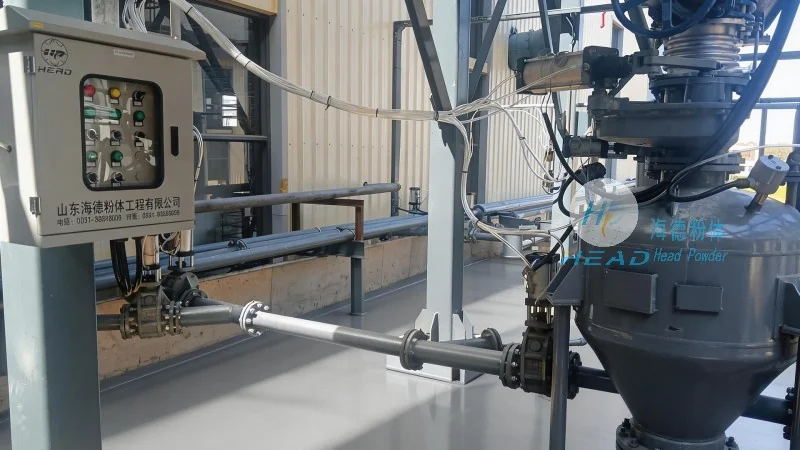
Pneumatic conveying, also known as air conveying, is a method of transporting bulk materials, such as powders and granules, using a stream of pressurized or vacuum air. The system typically consists of a hopper for material storage, a conveyor line where the material is transported, and a receiver or discharge point where the material is deposited. The core of the system relies on the interaction between the material particles and the air flow, which can be categorized into two main types: pressure and vacuum systems.
How Pneumatic Conveying Works
In a pressure pneumatic conveying system, air is forced through the conveyor line under pressure, pushing the material forward. The material is introduced into the system at the hopper, where it is fed into the air stream. As the air flows through the line, it carries the material particles, maintaining a consistent flow rate. The pressure system is ideal for short to medium distances and can handle a wide range of materials, including abrasive or corrosive powders like phosphate sodium.
Vacuum pneumatic conveying, on the other hand, uses a vacuum to draw material from the source into the conveyor line. The system creates a negative pressure at the inlet, which pulls the material into the air stream. This method is particularly useful for long-distance or multi-point delivery, as it can transport material from multiple sources to a single destination. For phosphate sodium, vacuum systems are often employed when the material needs to be transported from a processing plant to a storage facility or a processing unit.
Key Components of a Phosphate Sodium Pneumatic Conveying System
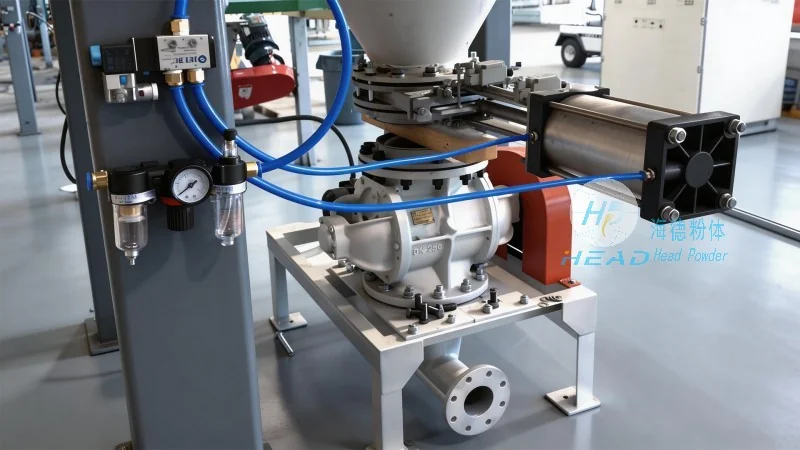
Several key components work together to ensure the efficient operation of a phosphate sodium pneumatic conveying system. These include:
- Hopper and Feeder: The hopper stores the phosphate sodium, and the feeder regulates the flow of material into the conveyor line. A proper feeder is crucial to maintain a consistent flow rate, preventing blockages or uneven material discharge.
- Conveying Line: The pipeline through which the air and material travel. The material is suspended in the air stream and transported along the line. The diameter and length of the line are critical factors that affect the system's performance and efficiency.
- Air Supply Unit: This component generates the necessary air pressure or vacuum. It may include a blower or a vacuum pump, depending on the system type. The air supply unit must be capable of providing sufficient air volume and pressure to move the material effectively.
- Receiver: The final destination where the phosphate sodium is deposited. The receiver is designed to handle the material flow and prevent spillage or contamination.
- Control System: A sophisticated control system monitors and regulates the operation of the entire system. It ensures that the air pressure, material flow rate, and system pressure are maintained within optimal ranges, enhancing the system's reliability and performance.
Advantages of Pneumatic Conveying for Phosphate Sodium
Phosphate sodium pneumatic conveying offers several advantages over traditional methods like belt conveyors or bucket elevators. These benefits include:
- Enhanced Safety: The system is enclosed, preventing dust emissions and minimizing the risk of material contamination or exposure to the environment. This is particularly important for phosphate sodium, which can be hazardous if inhaled or come into contact with skin.
- Flexibility and Versatility: Pneumatic conveying systems can be easily reconfigured to handle different material types or to change the delivery route. This flexibility makes them suitable for dynamic industrial environments where material requirements may change frequently.
- Reduced Maintenance: Compared to mechanical systems, pneumatic conveying systems have fewer moving parts, leading to lower maintenance costs and longer operational life.
- Energy Efficiency: Modern pneumatic conveying systems are designed to be energy-efficient, using less power to transport the material compared to traditional methods. This contributes to lower operational costs and a smaller environmental footprint.
- Improved Product Quality: The enclosed system prevents material degradation, moisture absorption, or contamination, ensuring that the phosphate sodium remains in its original state until it reaches the final destination. This is crucial for applications where product purity is critical.
Applications of Phosphate Sodium Pneumatic Conveying
Phosphate sodium is used in a wide range of industries, including agriculture, food processing, and chemical manufacturing. Pneumatic conveying systems are employed in these industries to transport phosphate sodium from production facilities to storage tanks, processing units, or packaging lines. For example, in agricultural applications, phosphate sodium is used as a fertilizer, and pneumatic conveying systems are used to transport it from the production plant to farms or storage depots. In the food industry, phosphate sodium is used as a food additive, and the system ensures that it is transported safely and hygienically to processing plants.
Case Study: Shandong HeadPowder Engineering Co., Ltd.
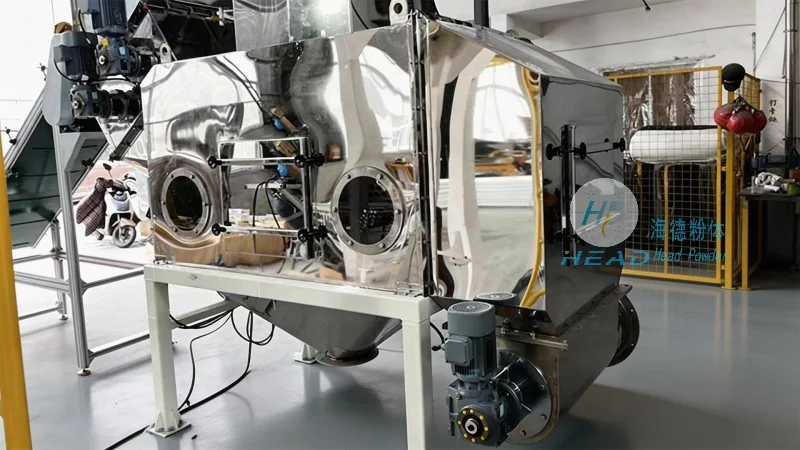
Shandong HeadPowder Engineering Co., Ltd., a leading manufacturer of powder handling systems, specializes in designing and manufacturing pneumatic conveying systems tailored to the needs of various industries. With its headquarters in Shandong, China, the company has extensive experience in handling phosphate sodium and other similar powders. HeadPowder's systems are known for their reliability, efficiency, and customization capabilities, ensuring that clients receive solutions that meet their specific requirements.
The company's expertise lies in understanding the unique properties of phosphate sodium, such as its particle size, density, and flow characteristics, and designing systems that optimize the conveying process. By leveraging advanced technology and engineering expertise, HeadPowder provides solutions that enhance operational efficiency, reduce costs, and improve product quality for its clients.
Conclusion
Phosphate sodium pneumatic conveying is a highly effective method for transporting this vital chemical compound. The working principle of powder handling systems, combined with the advantages of pneumatic conveying, makes it an ideal solution for industries that require safe, efficient, and flexible material transportation. With the expertise of companies like Shandong HeadPowder Engineering Co., Ltd., the technology continues to evolve, offering even better performance and reliability for the future of powder handling.




