For enterprises in the casting industry, the efficient handling of casting gray materials is a critical aspect of production efficiency and operational safety. The casting gray material handling system, as an essential equipment solution, plays a vital role in optimizing material flow and reducing labor intensity. This article will delve into the principles of such systems and the characteristics of their working scenes, providing a comprehensive understanding of the technology and practical applications.
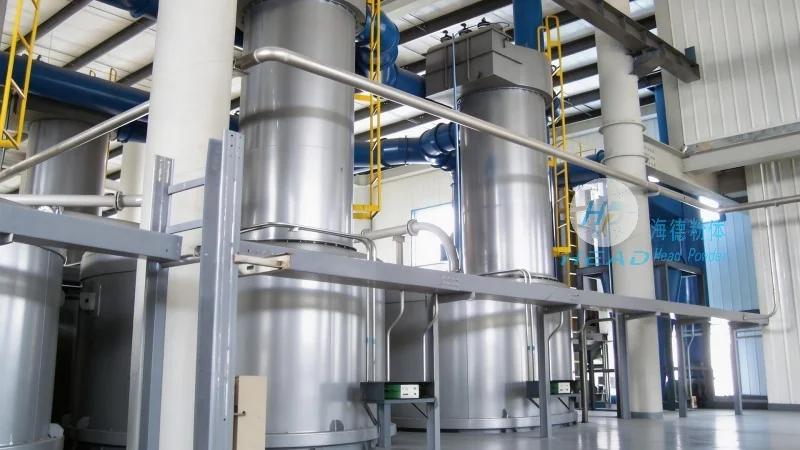
Introduction to Casting Gray Material Handling Systems
The casting gray material handling system is specifically designed to transport and manage casting gray, a byproduct commonly generated during the casting process. This material, often in the form of fine powders or granules, requires specialized equipment to handle due to its characteristics like dustiness, potential for static electricity, and varying particle sizes. The system typically integrates multiple components, including feeders, conveyors, dust collection systems, and control units, to ensure safe and efficient material transport. The core principle revolves around the use of mechanical forces, such as gravity, air pressure, or mechanical drive, to move the material from one location to another within the production environment.
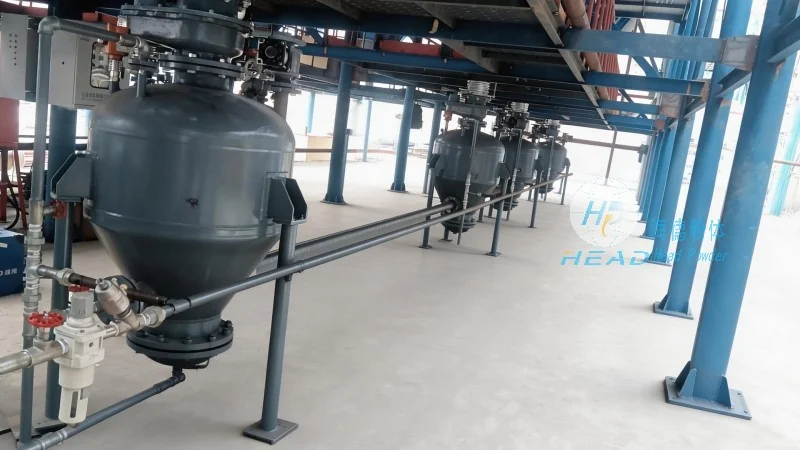
Key Working Principles of the System
The operation of a casting gray material handling system is based on several fundamental principles that ensure effective material transfer. Firstly, the system employs a combination of feeding mechanisms to ensure a consistent and controlled flow of casting gray. This may involve screw feeders, belt feeders, or pneumatic feeders, depending on the material characteristics and the scale of the operation. The feeders are designed to handle the material's density and flowability, preventing blockages and ensuring smooth material movement. Secondly, the conveyor system, which can be either mechanical (e.g., belt conveyors, chain conveyors) or pneumatic (e.g., air slides, pneumatic conveyors), is responsible for transporting the material over longer distances. Mechanical conveyors are often preferred for heavy or bulk materials, while pneumatic systems are suitable for fine powders that require dust control. Thirdly, the integration of dust collection and filtration systems is crucial for maintaining air quality and protecting the working environment. These systems capture and filter the dust generated during material handling, ensuring compliance with environmental regulations and worker safety standards. Finally, the control unit, equipped with sensors and automation technology, monitors the system's performance and adjusts parameters in real-time to optimize operation and prevent malfunctions.
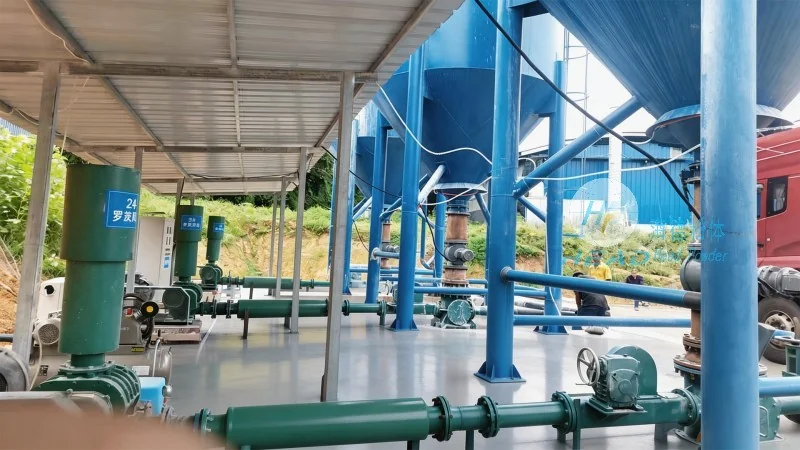
Working Scene Characteristics and Application Scenarios
The working scene characteristics of casting gray material handling systems are closely tied to the specific needs of the casting industry. These systems are typically deployed in large-scale casting production facilities, where the volume of casting gray is substantial and the need for automation is high. The working environment is often characterized by high temperatures, dust, and noise, requiring robust and durable equipment that can withstand harsh conditions. In such scenarios, the system's design must consider factors like material compatibility, corrosion resistance, and ease of maintenance. For example, in foundries producing steel or aluminum castings, the system may need to handle high-temperature materials and resist thermal stress. In contrast, foundries dealing with non-ferrous metals might require equipment that can handle lighter, more abrasive materials. The working scene also includes the integration of the material handling system with other production processes, such as casting, molding, and finishing. This integration ensures a seamless flow of materials from one stage to the next, reducing bottlenecks and improving overall production efficiency. Additionally, the system's flexibility allows it to adapt to different production scales, from small-scale workshops to large industrial plants, making it a versatile solution for various casting applications.
Company Profile: Shandong HeadPowder Engineering Co., Ltd.
HeadPowder, as a professional manufacturer and supplier of material handling equipment, has been committed to providing high-quality solutions for the casting industry. With a strong focus on research and development, HeadPowder continuously improves its products to meet the evolving needs of customers. The company's headquarters is located in Shandong, China, where it leverages advanced technology and experienced engineering teams to design and produce reliable casting gray material handling systems. HeadPowder's products are known for their durability, efficiency, and compliance with industry standards, helping foundries enhance their operational performance and reduce costs. The company's dedication to customer satisfaction and technological innovation has established it as a trusted partner in the material handling sector, serving clients both domestically and internationally.
Conclusion
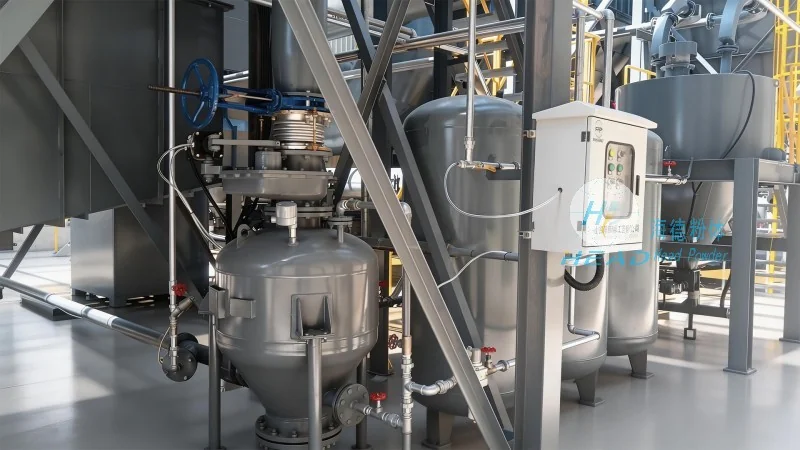
In conclusion, the casting gray material handling system is a sophisticated piece of equipment that combines mechanical, pneumatic, and control technologies to efficiently handle casting gray materials. Its working principles and scene characteristics are tailored to the specific demands of the casting industry, ensuring optimal performance in various production environments. By understanding these principles and characteristics, casting enterprises can make informed decisions when selecting and implementing material handling systems, ultimately improving their production efficiency and operational safety. HeadPowder, with its expertise and commitment to quality, remains a key player in providing reliable solutions for the casting industry's material handling needs.




