

Working Principle and Features of Monocrystalline Silicon Pneumatic Conveying Lines
Monocrystalline silicon is a cornerstone material in the photovoltaic industry, and the efficient transportation of this material is critical to the overall production process. The monocrystalline silicon pneumatic conveying line, as a key equipment in material handling, plays a vital role in ensuring the smooth flow of silicon wafers and raw materials. This article will delve into the working principle and key features of such systems, providing a comprehensive understanding for industry professionals.
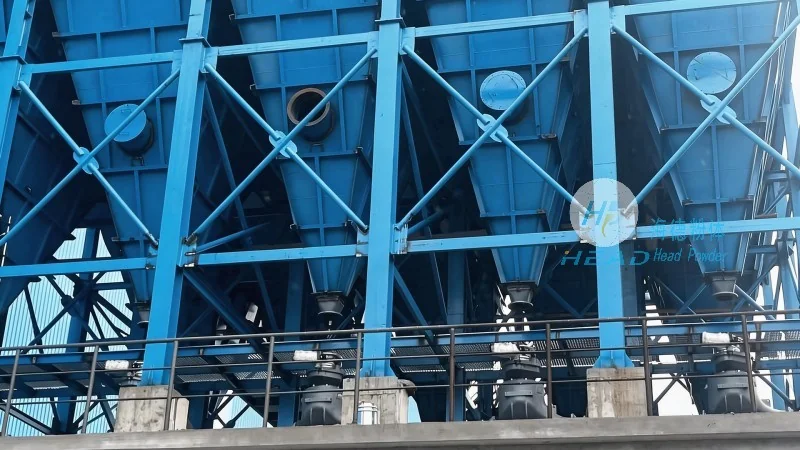
HeadPowder, a leading manufacturer in the field, specializes in the design, production, and installation of advanced pneumatic conveying systems. With a strong focus on precision and reliability, the company's solutions are tailored to meet the specific needs of the silicon processing industry. Based in Shandong, China, HeadPowder Engineering Co., Ltd. leverages years of experience to deliver high-performance equipment that enhances operational efficiency and product quality.
Working Principle of Monocrystalline Silicon Pneumatic Conveying Lines
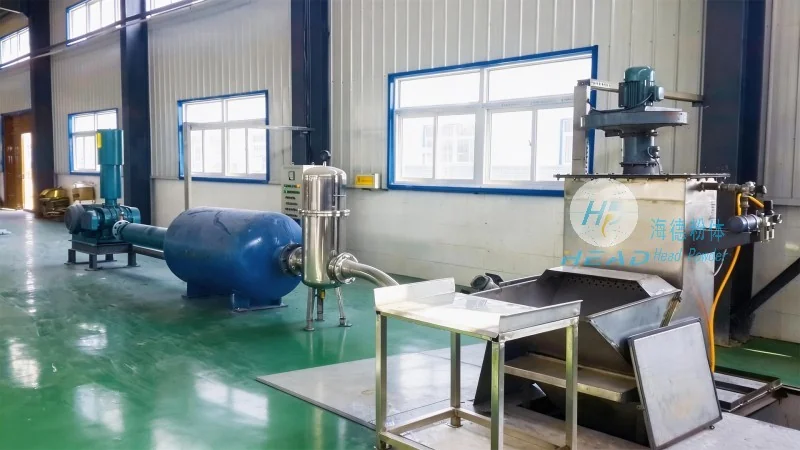
The monocrystalline silicon pneumatic conveying line operates on the principle of air pressure to transport materials. The system typically consists of a hopper, a blower or compressor, a pipeline network, and a receiver. The process begins with the raw silicon materials being fed into the hopper. As the blower generates a high-pressure air stream, it draws the material from the hopper into the pipeline. The air and material mixture travels through the pipeline to the receiver, where the material is separated from the air and collected. This method eliminates the need for mechanical components like belts or buckets, reducing wear and maintenance costs. The system can be designed for both positive and negative pressure operations, offering flexibility in different production environments.
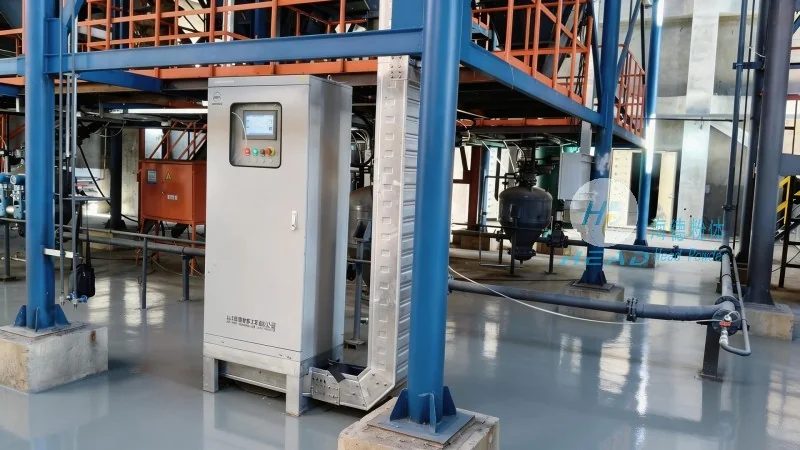
The working principle involves several critical components that work in tandem to ensure efficient material transport. The hopper serves as the storage and feeding unit, where raw silicon materials are stored before being introduced into the system. The feeder, often a rotary valve or screw feeder, controls the flow rate of the material into the pipeline. The blower or compressor is the heart of the system, generating the necessary air pressure to move the material. The pipeline network connects the hopper to the receiver, with bends and fittings designed to minimize pressure loss. The receiver, equipped with a dust collector or filter, separates the material from the air and collects it in a clean container. The system may also include a control panel that monitors pressure, flow rate, and other parameters, allowing for real-time adjustments to optimize performance. This integrated approach ensures that the conveying process is both efficient and reliable, minimizing downtime and maximizing productivity.
Key Features of Monocrystalline Silicon Pneumatic Conveying Lines
One of the primary advantages of monocrystalline silicon pneumatic conveying lines is their ability to handle fragile materials without causing damage. The air cushioning effect minimizes impact and friction, preserving the integrity of the silicon wafers and raw materials. Additionally, the system is highly flexible, allowing for changes in layout and material flow without major modifications. This adaptability is crucial for modern manufacturing facilities that require scalability and customization. Another significant feature is the system's cleanliness and hygiene. Since the conveying process is enclosed, it prevents contamination from dust, moisture, or other environmental factors, which is essential for high-purity silicon production. The energy efficiency of pneumatic conveying systems is also noteworthy. By optimizing air pressure and flow rates, the system can reduce energy consumption compared to traditional mechanical conveyors, leading to lower operational costs over time.
Furthermore, the monocrystalline silicon pneumatic conveying line offers superior control over material handling. The ability to adjust air pressure and flow rates allows operators to fine-tune the system for different material types and sizes. This flexibility is particularly important when handling a variety of silicon products, from raw ingots to finished wafers. The system's compact design is another advantage, as it occupies less floor space compared to traditional conveyors, making it suitable for facilities with limited space. This space-saving feature is beneficial for modern manufacturing plants that prioritize efficiency and compact layouts. Additionally, the system's low maintenance requirements contribute to long-term cost savings. The absence of moving parts like belts or chains reduces the risk of mechanical failure and the need for frequent repairs. Regular maintenance, such as cleaning filters and checking blower performance, is typically straightforward, ensuring minimal disruption to production.