

Working Principle and Features of Fiber Pneumatic Conveying Systems
For industrial applications requiring efficient and reliable material handling, fiber pneumatic conveying systems offer a robust solution. These systems are designed to transport bulk materials, including fibers and powders, over long distances with minimal maintenance and operational costs. Understanding the working principle and key features of such systems is crucial for selecting the right equipment for specific industrial needs.
Working Principle of Fiber Pneumatic Conveying Systems
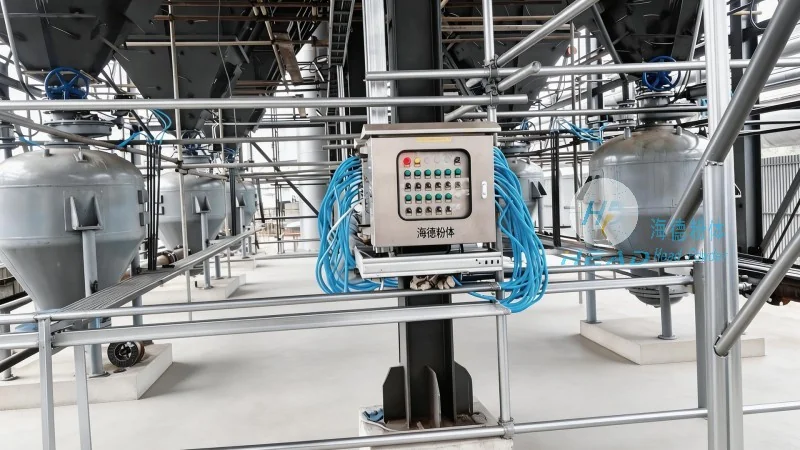
Fiber pneumatic conveying systems operate on the principle of air movement to transport materials. The process typically involves a series of components that work in tandem to ensure smooth material transfer. At the heart of the system is a positive displacement blower or a high-pressure compressor that generates the necessary air pressure. This air is then directed into a hopper or feeder where the material is introduced. As the air flows through the conveying line, it creates a low-pressure zone that draws the material into the pipeline. The material is then carried along the pipeline by the moving air, often with the assistance of additional components like cyclones or separators to maintain material integrity and prevent blockages.
The system's design ensures that the material is transported without direct contact with mechanical parts, reducing wear and tear and minimizing the risk of contamination. This is particularly important for sensitive materials like fibers, where maintaining purity and consistency is essential. The air flow is carefully controlled to match the material's properties, ensuring optimal conveying efficiency and preventing material degradation.
Key Features of Fiber Pneumatic Conveying Systems
One of the primary features of fiber pneumatic conveying systems is their ability to handle a wide range of materials, from fine powders to larger fiber aggregates. This versatility makes them suitable for various industries, including pharmaceuticals, food processing, and manufacturing. The systems are also designed for high efficiency, with minimal energy consumption compared to traditional mechanical conveying methods. This not only reduces operational costs but also contributes to lower carbon footprints, aligning with modern sustainability goals.
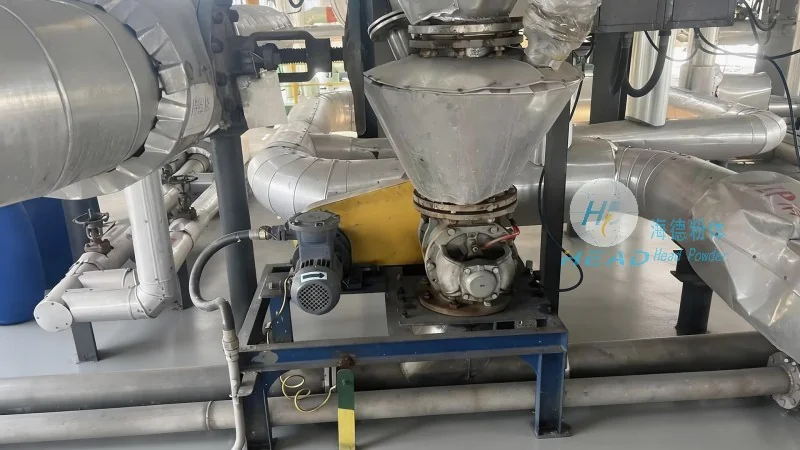
Another significant feature is the system's compact design and ease of installation. Unlike traditional belt or screw conveyors, pneumatic systems can be installed in confined spaces, making them ideal for facilities with limited floor space. The modular construction allows for easy expansion or modification as production needs change, providing flexibility for growing businesses.
Reliability and low maintenance are also critical features. The absence of moving parts in the conveying line reduces the risk of mechanical failure and simplifies maintenance procedures. Regular checks on the air compressor and filter system are typically sufficient to keep the system running smoothly, minimizing downtime and maintenance costs. This reliability is a key advantage for industries that require continuous operation without interruptions.
Applications and Benefits in Industrial Settings
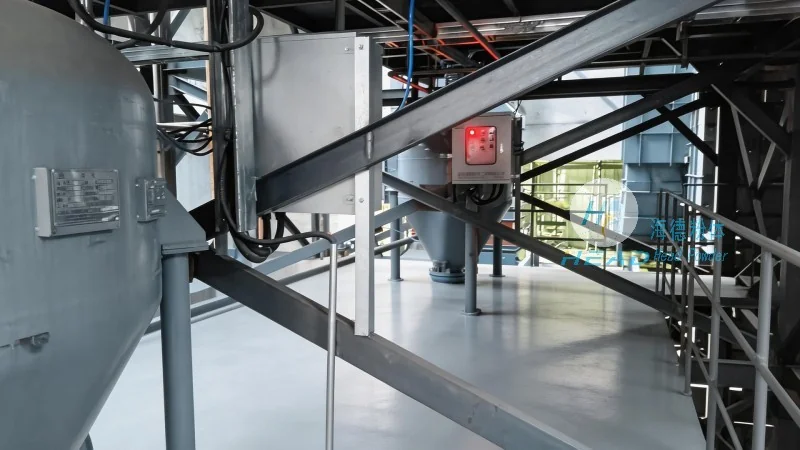
Fiber pneumatic conveying systems are widely used in industries where material handling demands precision and efficiency. For example, in the pharmaceutical industry, these systems are used to transport active pharmaceutical ingredients (APIs) and other sensitive powders, ensuring that the materials remain uncontaminated and consistent. In the food processing sector, they are employed to handle ingredients like flour, sugar, and other dry components, maintaining product quality and hygiene standards.
In manufacturing, the systems are used to transport raw materials to production lines and to move finished products to storage areas. The ability to convey materials over long distances without the need for intermediate storage or handling points streamlines the production process, improving overall productivity. The systems also contribute to a cleaner and safer working environment by eliminating the need for manual handling of bulk materials, reducing the risk of accidents and exposure to dust.
Conclusion and Company Overview
Understanding the working principle and features of fiber pneumatic conveying systems is essential for optimizing material handling processes in various industries. These systems offer a combination of efficiency, versatility, and reliability that makes them a preferred choice for many businesses. As a leading provider in the field, Shandong HeadPowder Engineering Co., Ltd. specializes in designing and manufacturing high-quality fiber pneumatic conveying systems tailored to meet the specific needs of clients. With a focus on innovation and customer satisfaction, the company ensures that its products deliver optimal performance and longevity. Located in Shandong, China, HeadPowder Engineering Co., Ltd. leverages its expertise to provide comprehensive solutions for material handling challenges, helping businesses enhance their operational efficiency and maintain competitive advantages in their respective markets.