Ammonium nitrate (AN) is a widely used industrial chemical, particularly in the production of fertilizers and explosives. The efficient and safe handling of this material is crucial for industrial operations. This article explores the principles and operational characteristics of ammonium nitrate material handling systems, highlighting key aspects that ensure optimal performance and safety in various industrial settings.
Understanding the Core Principles of Ammonium Nitrate Material Handling
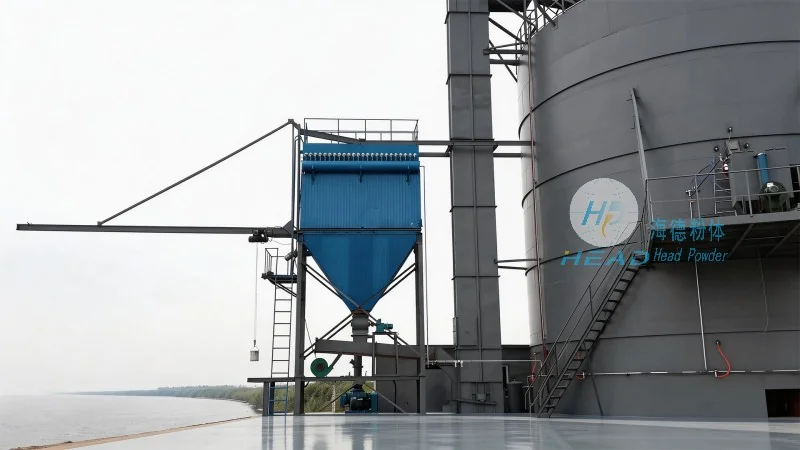
At the heart of any ammonium nitrate material handling system lies a combination of mechanical and process engineering principles designed to manage the material's physical properties. Ammonium nitrate is a granular solid with specific characteristics such as bulk density, flowability, and potential for dust generation. These properties dictate the choice of equipment and system design. For instance, the system must account for the material's tendency to agglomerate or form bridging in silos, which can lead to blockages and operational inefficiencies. To mitigate these risks, systems often incorporate features like vibration feeders, rotary valves, and pneumatic conveying components that ensure consistent flow and prevent material buildup.
Key Components and Their Functions in the Material Handling System
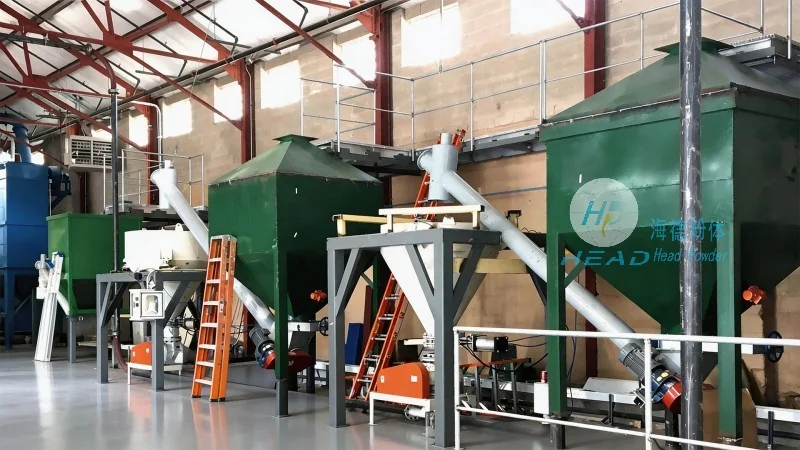
The ammonium nitrate material handling system typically consists of several critical components, each playing a vital role in the overall operation. The primary components include storage silos, feeding equipment, conveying mechanisms, and discharge systems. Storage silos are designed to hold large quantities of ammonium nitrate, often with internal liners or coatings to prevent corrosion and material degradation. Feeding equipment, such as screw conveyors or belt feeders, ensures a controlled and uniform flow of material from the silo to the conveying system. Conveying mechanisms may include pneumatic systems, where air is used to transport the material through pipelines, or mechanical systems like bucket elevators or belt conveyors, which are suitable for longer distances or vertical transport. Discharge systems, including rotary valves or gate valves, regulate the release of material to downstream processes, ensuring precise control over the flow rate and preventing overloading of subsequent equipment.
Working Scene Characteristics and Application Scenarios
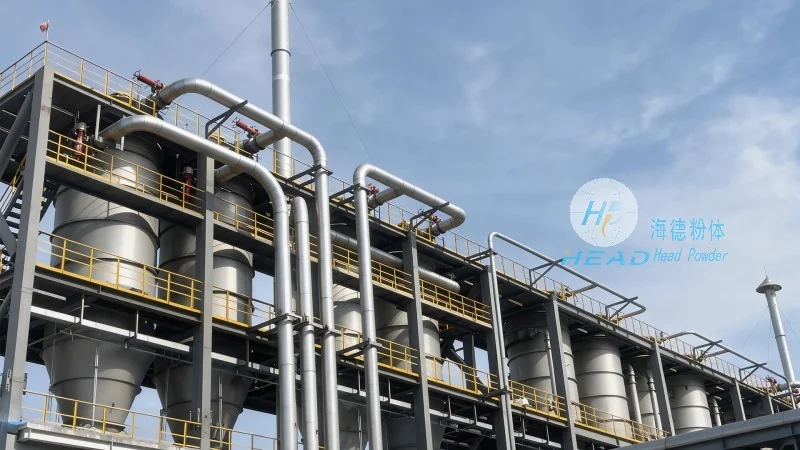
The operational characteristics of ammonium nitrate material handling systems vary significantly based on the specific industrial application. In fertilizer production facilities, the system must handle large volumes of ammonium nitrate, often in conjunction with other raw materials like urea or phosphates. The system design must accommodate high throughput rates while maintaining safety standards, as ammonium nitrate is a hazardous material that requires strict handling protocols. In contrast, in explosive manufacturing or mining operations, the material handling system may need to operate under more stringent safety conditions, with additional measures like explosion-proof equipment and dust suppression systems to prevent accidents.
Ensuring Safety and Compliance in Material Handling Operations
Safety is a paramount consideration in ammonium nitrate material handling systems due to the material's sensitivity to impact, friction, and heat. The system design incorporates various safety features, including pressure relief valves, dust collection systems, and emergency shutdown mechanisms. Regular maintenance and monitoring of equipment are essential to prevent malfunctions that could lead to dust explosions or other hazards. Compliance with industry standards and regulations, such as those from the Occupational Safety and Health Administration (OSHA) or the American Petroleum Institute (API), is also critical to ensure the system operates within legal and safety frameworks.
Case Study: Application in a Fertilizer Plant in Shandong, China
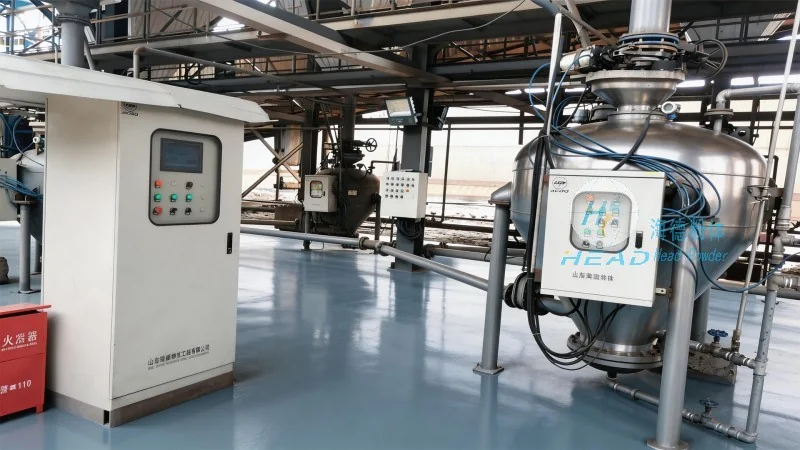
Shandong HeadPowder Engineering Co., Ltd., a leading provider of industrial material handling solutions, has successfully implemented an ammonium nitrate material handling system for a fertilizer plant in Shandong, China. The system, tailored to the plant's production capacity of 200,000 tons per year, features a combination of storage silos with anti-corrosion coatings, screw feeders, and pneumatic conveying lines. The design optimizes material flow, reduces downtime, and enhances safety by incorporating dust suppression and emergency shutdown capabilities. The plant has reported significant improvements in operational efficiency and reduced maintenance costs, demonstrating the effectiveness of the system in a real-world industrial setting.




