Wool material conveying systems are integral to modern textile processing, ensuring efficient and reliable transportation of raw wool from initial stages to processing units. The systems are designed to handle the unique properties of wool, such as its fibrous texture and varying moisture content, while maintaining operational efficiency and material integrity. This article explores the fundamental principles behind these systems and highlights key working scene characteristics that define their effectiveness in industrial settings.
Introduction to Wool Material Conveying Systems
Wool material conveying systems are specialized equipment used in the textile industry to transport raw wool or processed wool materials through various stages of production. These systems are engineered to address the specific challenges associated with wool, including its tendency to mat, its variable density, and its sensitivity to moisture and temperature changes. The primary goal of these systems is to ensure a continuous and smooth flow of material, minimizing downtime and maximizing productivity in wool processing facilities.
Core Principles of Wool Material Conveying
The operation of wool material conveying systems is based on several core principles that ensure optimal performance. One of the fundamental principles is the use of gentle handling mechanisms to prevent damage to wool fibers. This is crucial because wool is a delicate material that can be easily broken or tangled if subjected to harsh handling. Conveying systems typically employ low-speed, low-friction components, such as belt conveyors or pneumatic systems, to maintain the integrity of the wool fibers. Another key principle is the integration of material sorting and cleaning processes within the conveying system. Many systems include filters and separators that remove impurities like dirt, debris, and foreign materials, ensuring that only clean wool reaches the processing stages. This not only improves the quality of the final product but also reduces the risk of equipment damage caused by foreign objects.
Working Scene Characteristics of Wool Material Conveying Systems
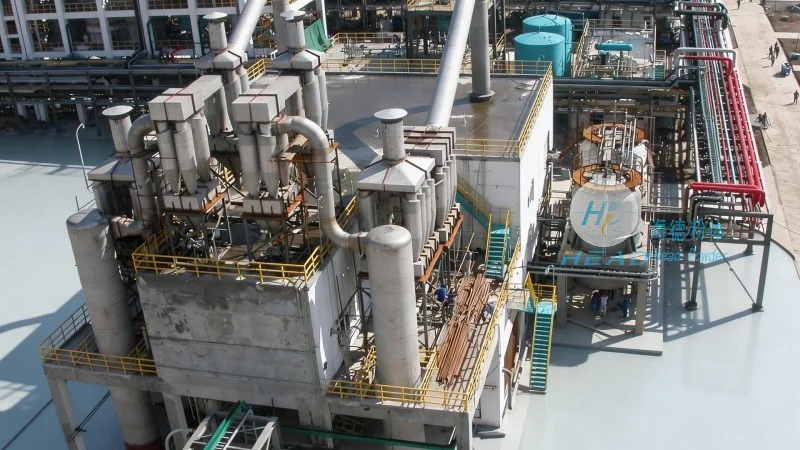
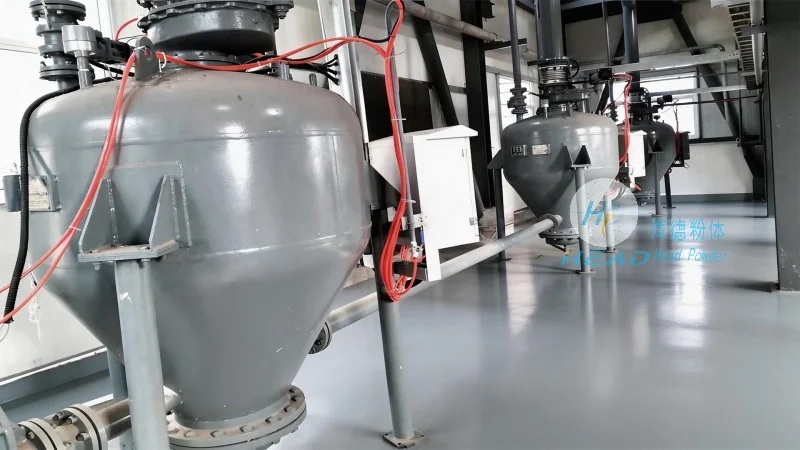
The effectiveness of wool material conveying systems is significantly influenced by the working scene characteristics in which they operate. These characteristics include the scale of the processing facility, the type of wool being handled, and the environmental conditions of the plant. In large-scale wool processing plants, such as those operated by Shandong HeadPowder Engineering Co., Ltd. located in Shandong, China, the conveying systems are designed to handle high volumes of material, often processing several tons of wool per hour. The systems are typically integrated into a larger production line that includes washing, carding, and spinning units, ensuring a seamless flow of material from raw input to finished product. The working scene also includes considerations for material variability, as different types of wool (e.g., merino, cashmere, or blended wool) may require different conveying speeds and handling methods. Additionally, environmental factors such as temperature and humidity are carefully managed to prevent wool from becoming overly dry or damp, which could affect its processing properties. The systems are often equipped with sensors and controls that monitor these conditions in real-time, allowing for adjustments to maintain optimal performance.
Key Components and Their Functions in Wool Conveying Systems
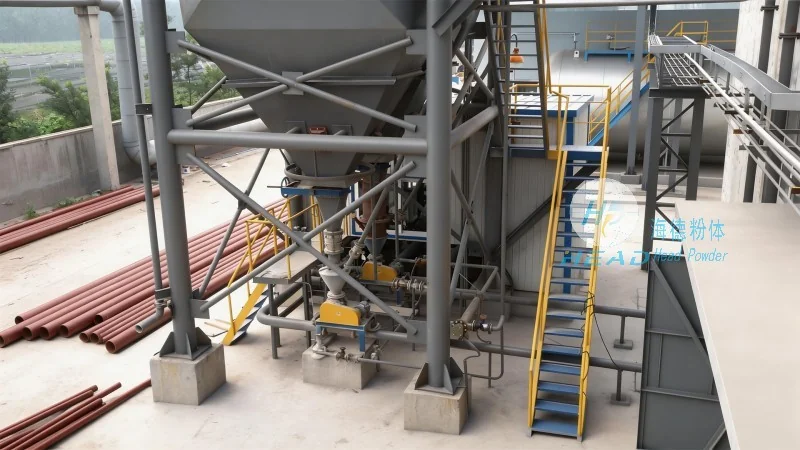
Wool material conveying systems consist of several key components that work together to achieve efficient material transport. The main components include the feed hopper, which is used to introduce raw wool into the system; the conveyor mechanism, which moves the wool along the system; and the discharge outlet, which delivers the material to the next processing stage. The feed hopper is designed to handle bulk wool and often includes a pre-screening or pre-cleaning mechanism to remove large debris before the wool enters the conveyor. The conveyor mechanism can vary depending on the system design, with belt conveyors being common for horizontal transport and screw conveyors or pneumatic systems for vertical or inclined transport. The discharge outlet is typically equipped with a control valve or gate to regulate the flow of material, ensuring that it is delivered at a consistent rate to the subsequent processing equipment. Additionally, many systems include auxiliary components such as dust collection systems, which help to maintain air quality in the processing facility and prevent wool fibers from becoming airborne and causing respiratory issues for workers.
Applications and Industry Impact of Wool Material Conveying Systems
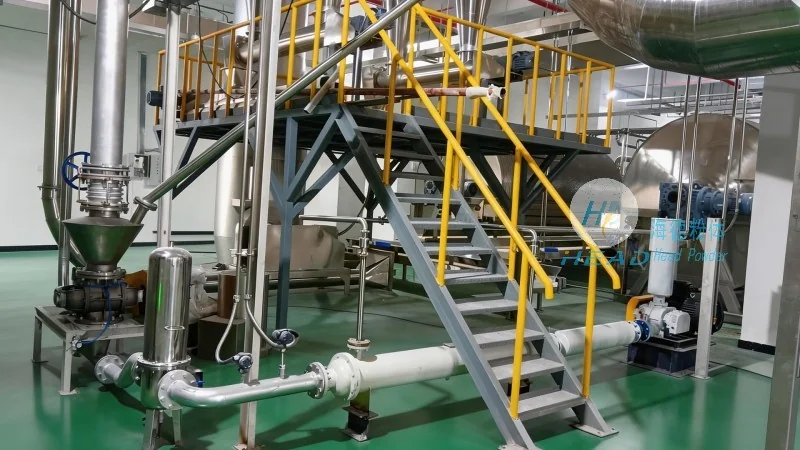
Wool material conveying systems are widely used in various applications within the textile industry, from small-scale artisanal operations to large industrial plants. In artisanal settings, smaller conveying systems may be used to transport wool from storage bins to processing machines, while in industrial settings, larger systems are employed to handle the high volume of material required for mass production. The systems are particularly important in the production of high-quality wool products, such as fine sweaters, blankets, and upholstery fabrics, where the integrity of the wool fibers is critical to the final product's texture and durability. The use of efficient conveying systems helps to reduce production costs by minimizing material loss and downtime, while also improving the overall quality of the final product. Additionally, the systems contribute to workplace safety by reducing the need for manual handling of heavy wool bales, which can be physically demanding and increase the risk of injury.
Conclusion: The Importance of Advanced Wool Material Conveying Systems
In conclusion, wool material conveying systems are essential components of modern wool processing operations, providing the foundation for efficient and reliable material transport. The systems are designed based on fundamental principles that prioritize gentle handling, material cleaning, and continuous flow, ensuring that wool fibers remain intact and free from damage throughout the processing stages. The working scene characteristics of these systems, including scale, material type, and environmental conditions, are carefully considered to optimize performance and adapt to the specific needs of each facility. As part of Shandong HeadPowder Engineering Co., Ltd., a company based in Shandong, China, these systems represent a critical investment in maintaining competitiveness and quality in the textile industry. By understanding the principles and characteristics of wool material conveying systems, manufacturers can enhance their production processes, improve product quality, and ensure long-term success in the market.




