HeadPowder, a leading provider of specialized equipment for biomass powder handling, introduces the core principles and operational characteristics of its biomass powder transport systems. These systems are engineered to efficiently manage the movement of biomass powders, which are widely used in various industrial applications such as bioenergy production, biomass processing, and material handling in renewable energy sectors.
Principles of Biomass Powder Transport Systems
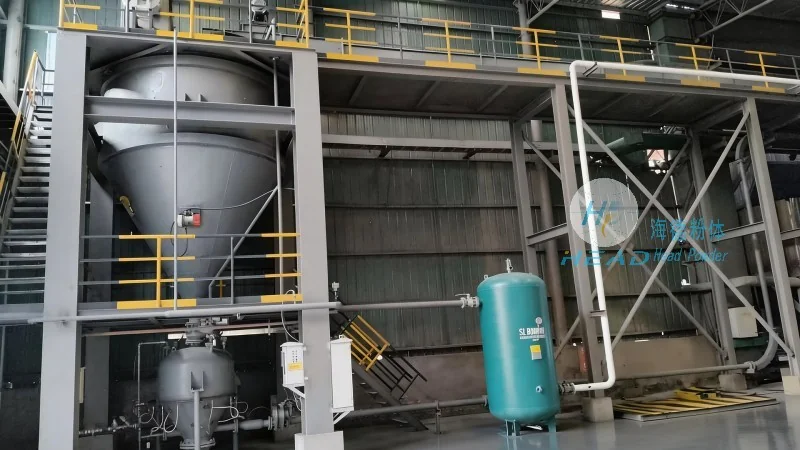
The fundamental principle behind biomass powder transport systems lies in the integration of advanced mechanical and pneumatic technologies to ensure reliable and efficient material transfer. The systems typically consist of several key components, including feeders, conveyors, and control units, each designed to perform specific functions in the transport process. Feeders are responsible for uniformly feeding biomass powders into the system, ensuring a consistent flow rate that prevents blockages and maintains system efficiency. Conveyors, often utilizing pneumatic or mechanical mechanisms, transport the powders through pipelines or open channels to the desired destination. Control units manage the entire operation, monitoring parameters like pressure, flow rate, and temperature to optimize performance and prevent operational issues.
One of the key operational principles is the use of pneumatic conveying, which is particularly effective for handling fine biomass powders. This method involves transporting materials using compressed air, creating a fluidized bed that allows for smooth and continuous movement. The system's design minimizes material degradation and ensures that the biomass powders remain in their original state, which is crucial for applications where the material's quality is critical, such as in biofuel production or biomass combustion. Additionally, the systems incorporate features like adjustable speed controls and variable pressure settings, enabling operators to adapt the transport process to different material types and operational conditions.
Working Scene Characteristics of Biomass Powder Transport Systems
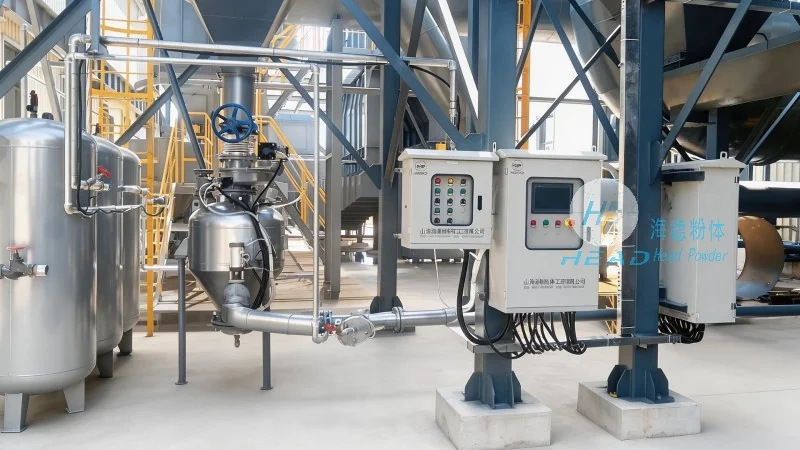
The operational characteristics of biomass powder transport systems are tailored to meet the diverse needs of industrial environments. These systems are commonly used in scenarios where large volumes of biomass powders need to be moved over short or long distances, such as in biomass power plants, biomass processing facilities, and agricultural waste management operations. In biomass power plants, for example, the systems are used to transport raw biomass materials from storage areas to the combustion chambers, ensuring a steady supply of fuel for energy generation. The systems are also employed in biomass processing facilities, where they help move processed powders to storage or further processing units, facilitating efficient production workflows.
In agricultural waste management, biomass powder transport systems play a vital role in converting organic waste into valuable resources. The systems are designed to handle materials like crop residues, wood chips, and other organic matter, transporting them to processing units where they are converted into biofuels or other products. The operational characteristics of these systems, such as their ability to handle abrasive materials and maintain consistent flow rates, make them suitable for harsh industrial environments. Furthermore, the systems are equipped with safety features like overpressure relief valves and material sensors, ensuring safe and reliable operation in demanding conditions.
Application-Specific Features and Advantages
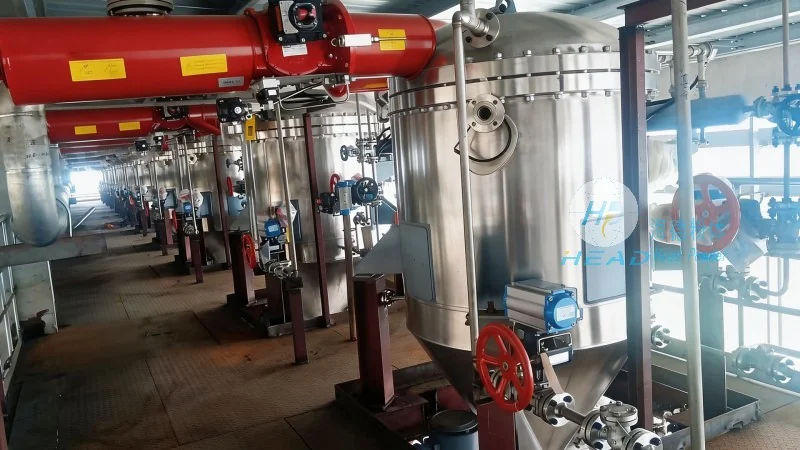
HeadPowder's biomass powder transport systems are designed with application-specific features that enhance their performance and reliability. For instance, in bioenergy production, the systems are optimized to handle high-volume, low-density biomass powders, ensuring efficient fuel delivery to combustion systems. The use of advanced materials and corrosion-resistant components allows the systems to withstand the harsh conditions associated with biomass processing, such as high temperatures and moisture content. Additionally, the systems incorporate energy-efficient designs, reducing operational costs and minimizing environmental impact.
In biomass processing applications, the systems are equipped with features that facilitate precise material control, such as variable speed feeders and pressure sensors. These features enable operators to adjust the transport process in real-time, responding to changes in material properties or system load. The systems also include maintenance-friendly designs, with easy access to components for inspection and repair, reducing downtime and maintenance costs. Overall, the operational characteristics of these systems make them a reliable choice for industries seeking efficient and sustainable biomass powder handling solutions.




