Understanding the principles, classification, and practical applications of additive pneumatic conveying is crucial for industries that rely on efficient material handling solutions. This article provides a comprehensive overview of how additive pneumatic conveying systems operate, the different types available, and their real-world applications, all while highlighting the expertise of Shandong HeadPowder Engineering Co., Ltd. as a leading provider in the field.
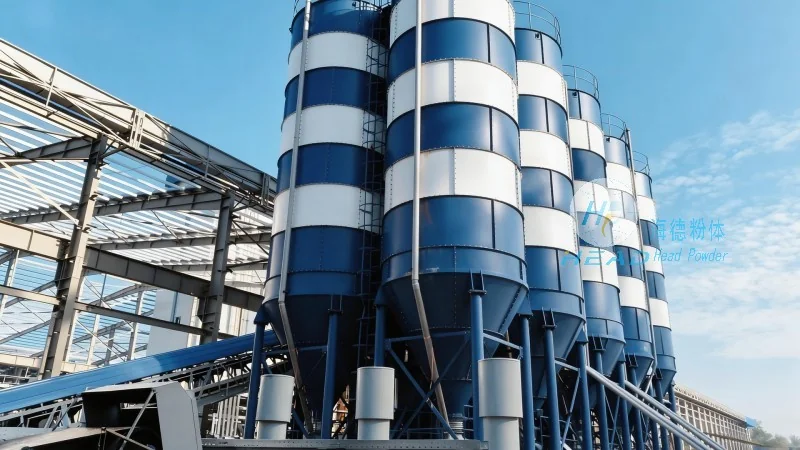
Principles of Additive Pneumatic Conveying
Additive pneumatic conveying, also known as pneumatic conveying, is a method of transporting bulk materials such as powders, granules, and fine particles through a pipeline using a gas stream, typically air or other gases. The core principle involves creating a pressure differential or using a vacuum to move the material from the source to the destination. There are two primary modes of operation: aspiration (or vacuum) conveying and pressure conveying. In aspiration systems, a vacuum is created at the receiving end to draw material into the pipeline, while pressure systems use compressed air to push material forward. The choice between these modes depends on factors like material characteristics, distance, and system complexity. For additives, which often require precise control and minimal degradation, the selection of the appropriate mode is critical to ensure optimal performance and product integrity.
Classification of Additive Pneumatic Conveying Systems
Additive pneumatic conveying systems are classified based on several key parameters, including the conveying method, material properties, and system configuration. The main classifications include:
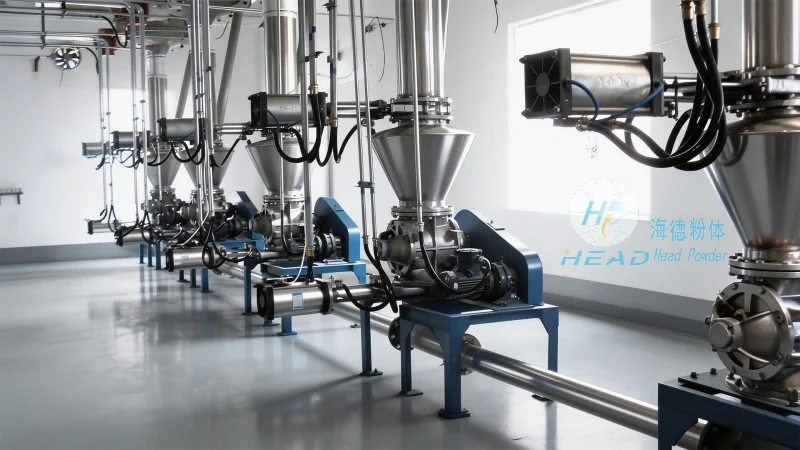
- Gravity Pneumatic Conveying: This system uses a combination of gravity and air flow to move materials. It is suitable for materials with a high density and low moisture content, as the material can slide down the pipeline under the influence of gravity while being assisted by the air stream.
- Pressure Pneumatic Conveying: As mentioned earlier, this method employs compressed air to push material through the pipeline. It is ideal for long-distance or high-volume conveying of additives, as it can handle a wide range of particle sizes and densities without the need for vacuum equipment.
- Vacuum Pneumatic Conveying: This system uses a vacuum to draw material into the pipeline from the source. It is commonly used for short-distance conveying or when the material is sensitive to pressure changes, as the vacuum creates a gentle environment that minimizes material degradation.
- Combined Pneumatic Conveying: Some systems combine both pressure and vacuum modes to achieve the best of both worlds. For example, a system might use a vacuum to draw material from a hopper and then switch to pressure to transport it over longer distances. This flexibility makes combined systems suitable for complex conveying tasks involving additives.
Each classification has its own advantages and limitations, and the selection depends on the specific requirements of the additive being handled. For instance, pressure systems are often preferred for abrasive or high-density additives due to their ability to maintain consistent flow rates, while vacuum systems are better suited for delicate or fine powders that require gentle handling.
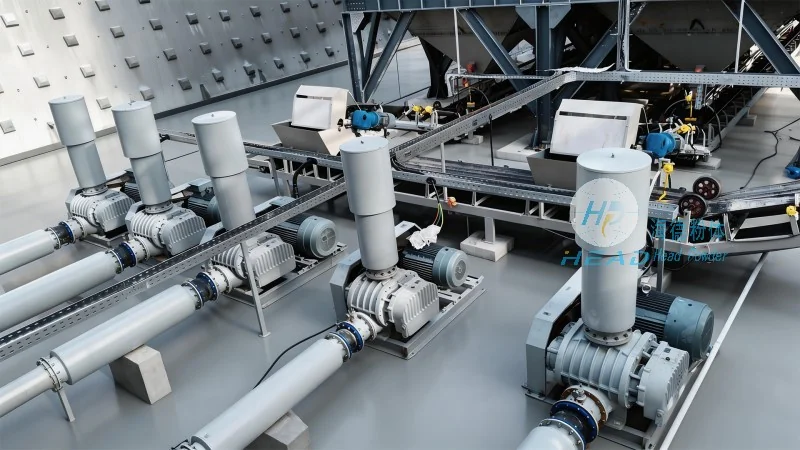
Applications of Additive Pneumatic Conveying
Additive pneumatic conveying finds widespread application across various industries, including pharmaceuticals, food processing, chemical manufacturing, and mining. The ability to transport additives in a controlled, dust-free environment makes it an ideal solution for industries where product purity and safety are paramount. Some common applications include:
- Pharmaceutical Industry: In pharmaceutical manufacturing, additives such as excipients, colorants, and flavorings are often transported using pneumatic systems to ensure they remain sterile and free from contamination. The gentle handling provided by vacuum or low-pressure systems is particularly important to prevent particle agglomeration and maintain product quality.
- Food and Beverage Industry: For food processing, additives like spices, vitamins, and preservatives are conveyed using pneumatic systems that meet strict hygiene standards. The systems are designed to be easy to clean and maintain, ensuring compliance with food safety regulations. The ability to handle fine powders without clogging the pipeline is a key advantage for food manufacturers.
- Chemical Manufacturing: In chemical plants, additives such as catalysts, pigments, and reagents are transported using pneumatic conveying systems that can handle corrosive or reactive materials. The systems are often equipped with special materials of construction, such as stainless steel or exotic alloys, to withstand the harsh conditions of chemical processing.
- Mining and Minerals Processing: For mining operations, additives like reagents, fluxes, and binders are conveyed using large-scale pneumatic systems to transport bulk materials over long distances. The high capacity and reliability of pressure systems make them suitable for mining applications, where efficiency and cost-effectiveness are critical.
In each of these applications, the choice of pneumatic conveying system is tailored to the specific properties of the additive, ensuring that the material is transported efficiently while maintaining its quality and integrity. The flexibility and adaptability of pneumatic systems make them a preferred choice for handling a wide variety of additives in diverse industrial settings.




