HeadPowder, a leading engineering company based in Shandong, China, specializes in the design and implementation of pneumatic conveying systems for various industrial materials, including glass slag. This article provides an in-depth overview of the fundamental principles behind glass slag pneumatic conveying, along with a classification of common applications and system configurations.
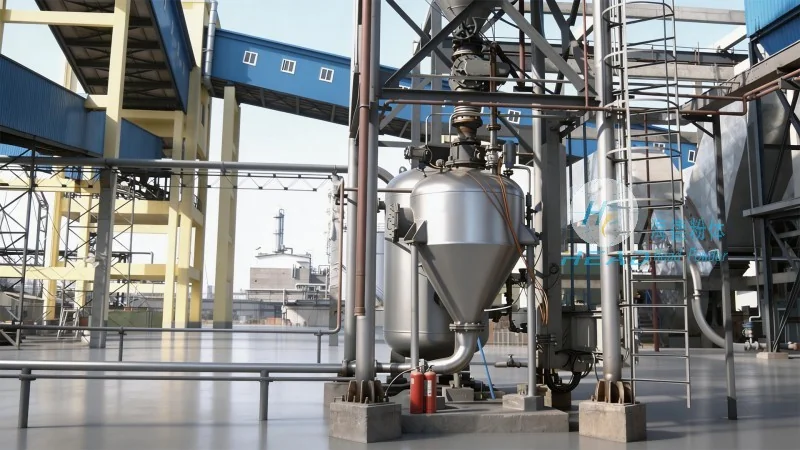
Understanding Pneumatic Conveying for Glass Slag
Pneumatic conveying is a method of transporting bulk materials through a pipeline using air or other gas as the conveying medium. For glass slag, which is a byproduct of glass manufacturing processes, this technology offers an efficient and cost-effective solution for material handling. The core principle involves creating a flow of air that entrains the glass slag particles, moving them from the source to the destination. Key factors influencing the effectiveness of this process include the particle size distribution, moisture content, and the specific gravity of the glass slag, as well as the air velocity and pressure within the system.
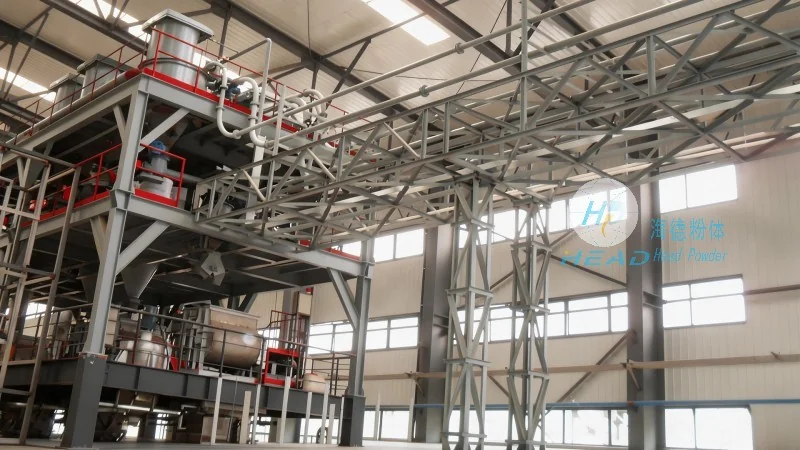
Classification of Pneumatic Conveying Systems
There are primarily two types of pneumatic conveying systems used for glass slag: dilute-phase and dense-phase. Dilute-phase systems operate at higher air velocities, typically moving particles in a dispersed state, making them suitable for short to medium distances and lower material loads. Dense-phase systems, on the other hand, use lower air velocities and higher material concentrations, which is ideal for longer distances and more sensitive materials that require gentle handling to prevent degradation or breakage.
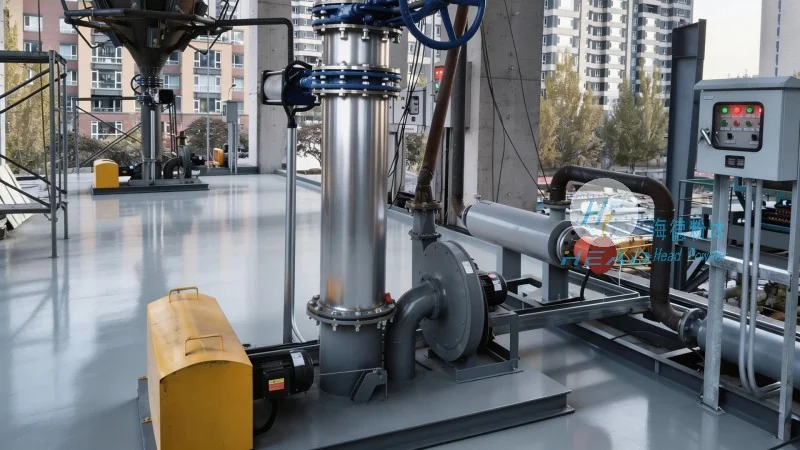
Applications of Glass Slag Pneumatic Conveying
The applications of glass slag pneumatic conveying span across multiple industries. In the glass manufacturing sector, these systems are used to transport raw glass slag from the production line to storage or processing facilities. Additionally, in the construction industry, glass slag is often used as an aggregate in concrete and asphalt, and pneumatic conveying facilitates its transport to mixing plants. Other applications include the use of glass slag in the production of cement and other building materials, where the material needs to be moved from storage silos to processing equipment.
Key Considerations for System Design and Implementation
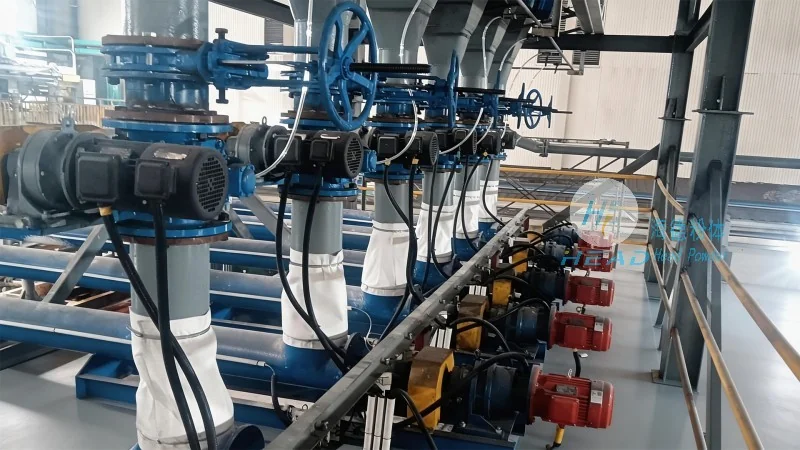
When designing a glass slag pneumatic conveying system, several critical factors must be considered to ensure optimal performance and longevity. Material properties, such as particle size and abrasiveness, play a significant role in determining the appropriate system type and components. For example, glass slag particles are often abrasive, which means that the pipeline and associated equipment must be constructed from materials that can withstand wear and tear, such as stainless steel or specialized alloys. Additionally, the system's layout, including the number and placement of bends, vertical lifts, and horizontal runs, must be carefully planned to minimize pressure drop and energy consumption. Proper filtration and dust collection systems are also essential to maintain air quality and comply with environmental regulations.
Conclusion
HeadPowder's expertise in glass slag pneumatic conveying systems ensures that clients receive tailored solutions that meet their specific operational needs. By understanding the principles of pneumatic conveying and classifying the appropriate system for their application, companies can achieve efficient material handling, reduced labor costs, and improved overall productivity. With a focus on quality engineering and customer satisfaction, HeadPowder continues to provide reliable solutions for the glass and related industries.




