HeadPowder, a leading manufacturer based in Shandong, China, specializes in the design and implementation of efficient potato pneumatic conveying systems. These systems are crucial for the modern agricultural and food processing industries, offering a reliable method to transport potatoes from storage or processing areas to various stages of production. The core principle of pneumatic conveying involves using air pressure to move bulk materials like potatoes through a pipeline network, eliminating the need for mechanical components such as belts or buckets that can be prone to wear and maintenance issues.
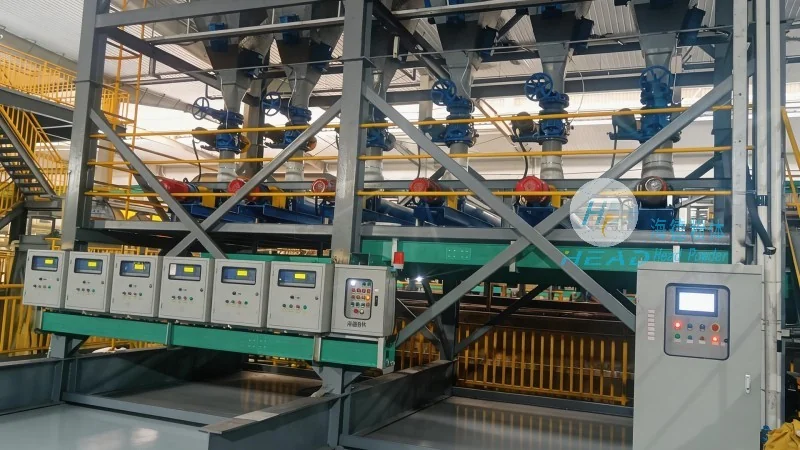
Working Principles of Pneumatic Conveying
The fundamental mechanism of potato pneumatic conveying relies on the creation of a pressure differential within a closed system. Air is typically supplied by a blower or fan, which generates the necessary force to move the potatoes through the pipeline. There are two primary types of pneumatic conveying systems: dilute-phase and dense-phase. Dilute-phase systems operate at higher air velocities, allowing the potatoes to be suspended in the air stream and transported quickly over long distances. Dense-phase systems, on the other hand, use lower air velocities and higher material concentrations, which is ideal for transporting delicate or high-value potatoes with minimal damage. The choice between these systems depends on factors such as the distance to be covered, the volume of potatoes to be moved, and the desired level of product protection.
Classification of Pneumatic Conveying Systems
Potato pneumatic conveying systems can be classified based on their operational characteristics and the type of air flow used. The most common classifications include:
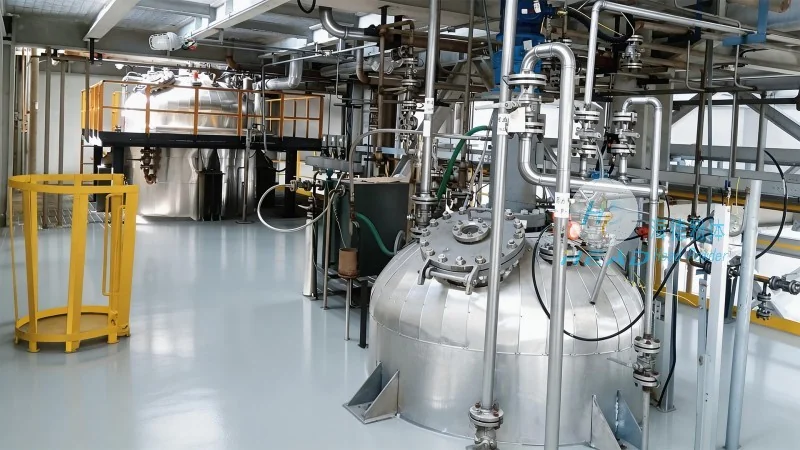
- Positive Pressure Systems: These systems use a blower to generate positive pressure in the conveying line, pushing the potatoes forward. They are suitable for short to medium distances and are commonly used in on-site storage and processing facilities.
- Negative Pressure (Vacuum) Systems: In these systems, a vacuum is created at the receiving end, pulling the potatoes through the pipeline. This method is ideal for long-distance transport, as it can handle larger volumes and is less affected by elevation changes. However, it requires more robust equipment to maintain the vacuum and may be more complex to install.
- Combination Systems: Some applications use a combination of positive and negative pressure to optimize performance. For example, a positive pressure system might be used to move potatoes from a storage bin to a processing area, while a negative pressure system is employed to transport the processed potatoes to packaging units.
Applications in Potato Processing
The versatility of pneumatic conveying makes it applicable to various stages of potato processing. In the initial stages, potatoes are often stored in bulk bins and need to be moved to washing or peeling machines. Pneumatic conveyors can efficiently transport the potatoes from the storage area to these processing units, ensuring a continuous flow of raw material. During the processing phase, after peeling and cutting, the potatoes may need to be conveyed to a frying or drying unit. Here, the system's ability to handle different product states—whether whole, sliced, or diced—is crucial. The gentle handling of pneumatic systems helps maintain the quality of the potatoes, reducing breakage and bruising that can occur with mechanical conveyors.
Advantages of Pneumatic Conveying for Potatoes
Compared to traditional mechanical conveyors, pneumatic systems offer several advantages that make them preferable for potato handling:
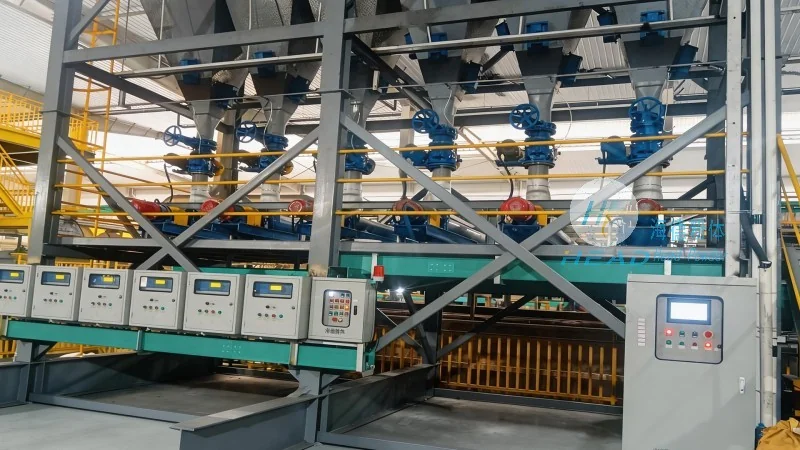
- Reduced Product Damage: The air-based transport minimizes physical contact between potatoes, resulting in lower rates of bruising and cracking. This is particularly important for high-value potatoes intended for premium markets.
- Improved Hygiene and Sanitation: Pneumatic systems are enclosed, preventing contamination from external sources and making cleaning and maintenance more straightforward. This is critical in food processing environments where hygiene standards are strictly enforced.
- Space Efficiency: The compact design of pneumatic conveyors allows for installation in areas with limited space, making them suitable for modern processing plants that require efficient use of floor space.
- Energy Efficiency: While initial setup costs may be higher, the operational energy consumption of pneumatic systems is often lower than that of mechanical systems, especially over long distances.
Considerations for Implementing Potato Pneumatic Conveying
When implementing a potato pneumatic conveying system, several factors must be considered to ensure optimal performance and efficiency. First, the material characteristics of the potatoes, such as size, moisture content, and density, influence the choice of system type and operating parameters. For example, smaller or more delicate potatoes may require a dense-phase system to prevent damage. Second, the layout of the processing facility and the distance between storage, processing, and packaging areas must be carefully planned to determine the most efficient pipeline configuration. Third, the capacity of the blower or vacuum system must be matched to the required flow rate to avoid system bottlenecks or excessive energy use. Finally, regular maintenance of the air filtration and pipeline components is essential to prevent clogging and ensure consistent performance.
Conclusion
HeadPowder Engineering Co., Ltd., with its headquarters in Shandong, China, provides comprehensive solutions for potato pneumatic conveying systems. By leveraging the principles of both dilute-phase and dense-phase conveying, and by carefully selecting the appropriate system classification based on operational needs, HeadPowder helps potato processing facilities achieve efficient, hygienic, and cost-effective material handling. The company's expertise in designing customized systems ensures that each installation meets the specific requirements of the client, whether for short-distance transport within a processing plant or long-distance movement between facilities. As the demand for high-quality potato products continues to grow, the role of efficient pneumatic conveying systems becomes increasingly critical, and HeadPowder remains at the forefront of providing innovative solutions to meet these needs.




