Seasoning powder conveying system equipment is a specialized solution designed to handle the efficient and reliable transportation of various powdered seasonings in industrial settings. As a key component in the food processing and manufacturing industries, these systems ensure that seasonings are moved from storage to processing lines with precision and minimal loss. The following sections will explore the fundamental principles behind such equipment, as well as the specific working scene characteristics that define their effectiveness in real-world applications.
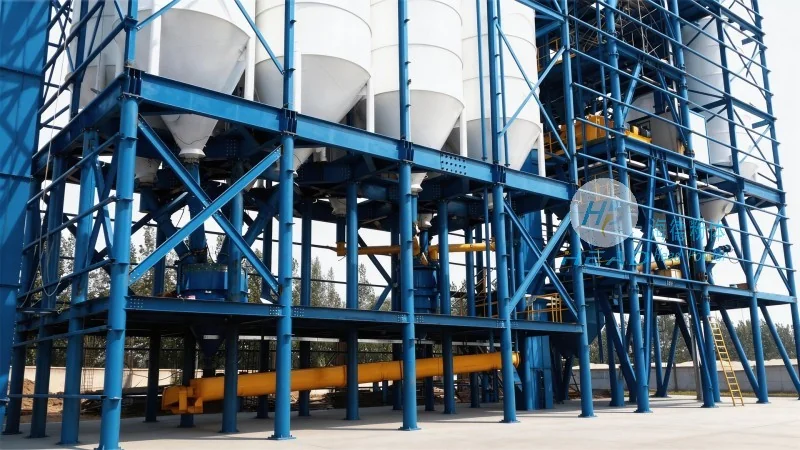
Overview of Seasoning Powder Conveying Systems
Seasoning powder conveying systems are engineered to address the unique challenges of handling fine, dry powders. These systems typically consist of several core components, including hoppers for material storage, conveyor mechanisms (such as screw conveyors, pneumatic conveyors, or bucket elevators), and control systems for regulating flow and pressure. The design of these systems is tailored to maintain the integrity of the powder, preventing issues like caking, segregation, or degradation during transport. This is crucial for maintaining the quality and flavor profile of the seasonings, which are critical to the final product.
Principles of Operation
The operation of seasoning powder conveying systems is based on mechanical or pneumatic principles, depending on the specific design. Mechanical systems, like screw conveyors, use rotating screws to push the powder forward through a tube or trough. This method is effective for handling free-flowing powders and can be adjusted to control the speed and volume of material transport. Pneumatic systems, on the other hand, utilize compressed air to create a flow of air that carries the powder particles through a pipeline. This approach is particularly useful for handling fine powders that might be prone to clogging in mechanical systems. Both methods rely on maintaining consistent pressure and flow rates to ensure smooth operation and prevent material buildup or blockages.
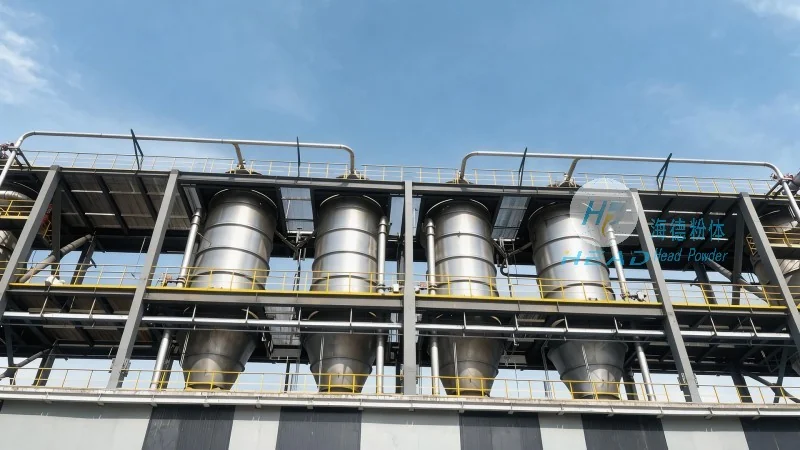
Working Scene Characteristics
The effectiveness of seasoning powder conveying systems is heavily influenced by the working scene characteristics, which vary based on the application and environment. For instance, in a large-scale food processing plant, the system may need to handle high volumes of powder over long distances, requiring robust and high-capacity equipment. The working environment may also involve temperature and humidity control, as these factors can affect the flow properties of the powder. In contrast, smaller-scale operations might require more compact and flexible systems that can be easily integrated into existing production lines. Additionally, the systems must be designed to meet sanitary standards, as seasoning powders are often used in food products that require strict hygiene regulations. This includes features like easy cleaning, corrosion-resistant materials, and sealed components to prevent contamination.
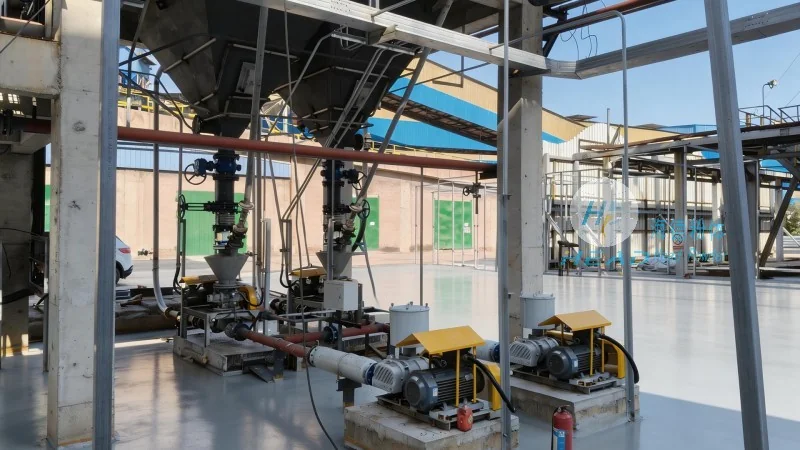
Application Examples and Industry Relevance
Seasoning powder conveying systems are widely used in various industries, including food and beverage manufacturing, pharmaceuticals, and chemical processing. In the food industry, these systems are essential for transporting spices, herbs, and other flavor enhancers to production lines for seasoning blends or individual product formulations. The ability to handle different types of powders, from coarse to fine, makes these systems versatile and adaptable to diverse production needs. For example, in a spice processing facility, the system might transport ground pepper, paprika, or cumin from storage silos to mixing equipment, ensuring consistent flavor distribution in the final product. Similarly, in a pharmaceutical plant, the conveying system could handle powdered ingredients for dietary supplements or medications, where precision and purity are paramount. The reliability of these systems directly impacts production efficiency and product quality, making them a critical investment for businesses operating in these sectors.
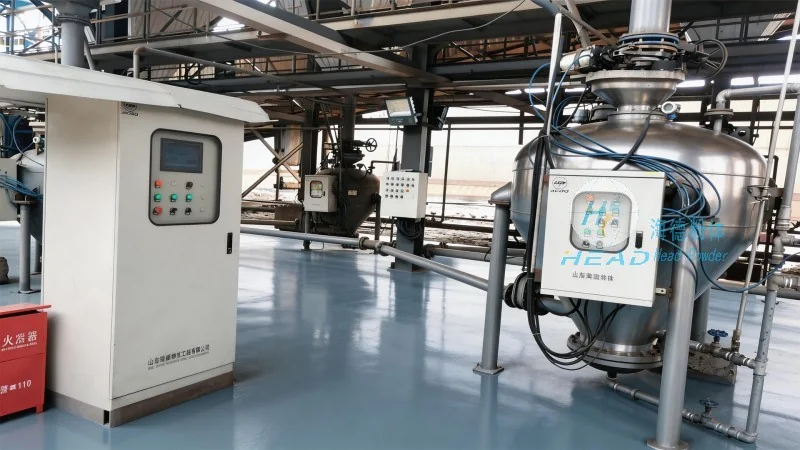
Advantages and Considerations for Seasoning Powder Conveying
Implementing seasoning powder conveying systems offers several advantages, including improved efficiency, reduced labor costs, and enhanced product quality. By automating the material transport process, businesses can minimize human error and ensure consistent flow rates, which leads to more uniform product outcomes. Additionally, these systems can be integrated with other production equipment, such as mixers or packaging machines, creating a seamless workflow that optimizes overall production time. However, there are also considerations to keep in mind when selecting and operating such equipment. For example, the choice of conveyor type depends on the specific properties of the powder, such as its moisture content, particle size, and flowability. Proper maintenance is also essential to prevent wear and tear, which can affect the system's performance and lifespan. Furthermore, the system must be designed to comply with local regulations and standards, particularly in industries where food safety is a top priority.
Conclusion
In conclusion, seasoning powder conveying system equipment plays a vital role in the efficient and reliable handling of powdered seasonings in industrial applications. By understanding the principles of operation and the working scene characteristics, businesses can select and implement the most suitable system for their specific needs. The integration of advanced technology and robust design ensures that these systems meet the demands of modern production environments, contributing to higher productivity and better product quality. As the food and manufacturing industries continue to evolve, the importance of efficient powder conveying systems will only grow, making them an essential component for any business looking to maintain competitiveness and meet customer expectations.




