Understanding the principles and characteristics of sodium carbonate powder conveying is crucial for optimizing industrial processes in various sectors. This article delves into the core mechanisms behind efficient powder handling and highlights key working scene characteristics that define effective operations for sodium carbonate, a widely used chemical in industries such as chemical manufacturing, food processing, and water treatment.
Core Principles of Sodium Carbonate Powder Conveying
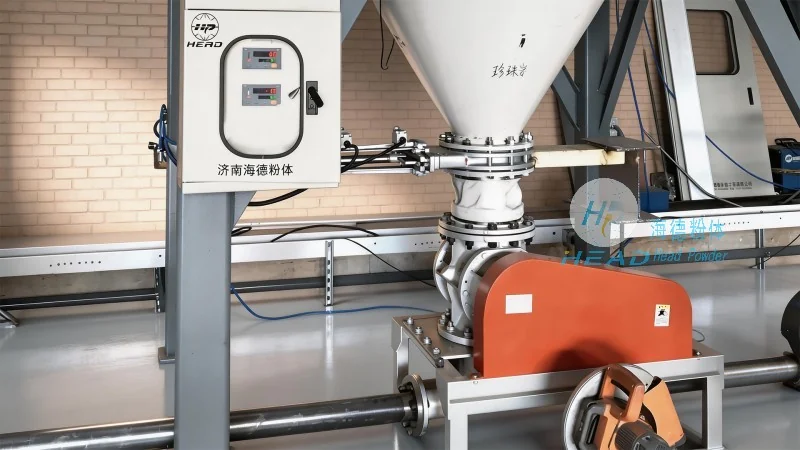
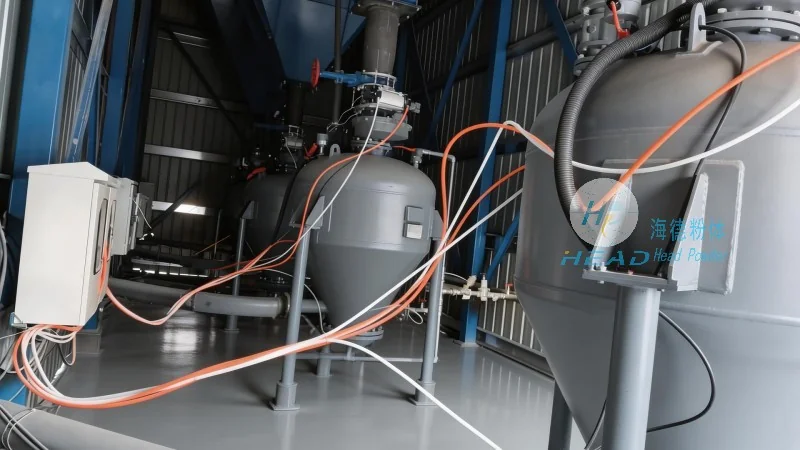
The fundamental principle of sodium carbonate powder conveying revolves around the movement of fine particles from one location to another, typically within industrial settings. Common methods include pneumatic conveying (air-assisted transport) and mechanical conveying (using screw conveyors, belt conveyors, or bucket elevators). Pneumatic systems utilize air pressure to transport powders through pipelines, while mechanical systems rely on physical force to move materials along designated paths. For sodium carbonate, which is often in a fine powder form, pneumatic conveying is particularly effective due to its ability to handle high volumes with minimal dust generation and reduced risk of product contamination.
Key factors influencing the efficiency of sodium carbonate powder conveying include particle size distribution, moisture content, and bulk density. Sodium carbonate particles are generally fine, with diameters ranging from 10 to 200 microns, which can affect flow characteristics and the risk of caking or bridging in storage and transport systems. Proper moisture control is essential to prevent clumping, as even slight humidity can alter the powder's flowability. Additionally, the bulk density of sodium carbonate, typically around 0.8 to 1.0 g/cm³, impacts the design of conveying equipment, such as the size of hoppers and the speed of conveyor components.
Working Scene Characteristics of Sodium Carbonate Powder Conveying
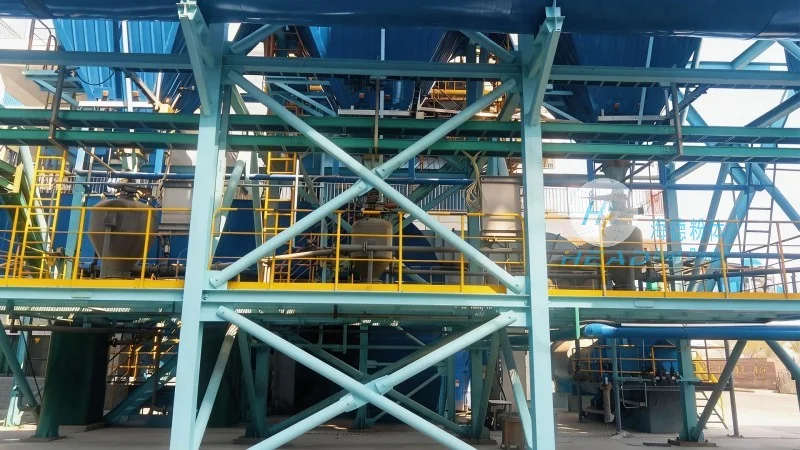
The working scene characteristics of sodium carbonate powder conveying vary significantly based on the application and industrial environment. In chemical manufacturing plants, for instance, sodium carbonate is often used as a raw material in processes like glass production, paper manufacturing, and detergent formulation. Here, the conveying system must be integrated with other processing equipment, such as reactors and mixers, to ensure a seamless flow of material from storage silos to production lines. The working scene may involve large-scale operations with multiple conveyor lines and automated control systems to maintain consistent supply and reduce downtime.
In food processing facilities, sodium carbonate is used as a leavening agent or pH adjuster in baking and beverage production. The conveying system in this context must adhere to strict hygiene standards, with materials that are easy to clean and sanitize. Pneumatic conveying is often preferred in food applications to minimize human contact and prevent cross-contamination. The working scene may include enclosed pipelines and dust collection systems to ensure compliance with food safety regulations.
Water treatment plants also utilize sodium carbonate for pH adjustment and scale control in water purification processes. The conveying system in these facilities must be robust and resistant to corrosion, as sodium carbonate can be in contact with water and other chemicals. The working scene may involve continuous operation with high flow rates, requiring reliable equipment that can handle abrasive particles and prevent clogging. Additionally, the system must be designed to minimize environmental impact, with proper dust suppression and emission control measures.
Company Profile: Shandong HeadPowder Engineering Co., Ltd.
Shandong HeadPowder Engineering Co., Ltd., commonly known as HeadPowder, is a leading provider of specialized powder handling solutions tailored to the unique needs of industries dealing with sodium carbonate and other fine powders. With a focus on innovation and customer-centric design, HeadPowder offers comprehensive services including equipment manufacturing, system integration, and technical support. The company's headquarters is located in Shandong, China, where it leverages advanced engineering capabilities and local expertise to deliver high-quality solutions for powder conveying challenges.
HeadPowder's expertise lies in understanding the specific properties of sodium carbonate, such as its flowability, moisture sensitivity, and handling requirements. By designing customized conveying systems, the company ensures that clients achieve optimal performance, reduced maintenance costs, and enhanced safety in their operations. The company's commitment to quality and reliability has made it a trusted partner for businesses across various industries, helping them streamline their powder handling processes and improve overall operational efficiency.




