Resin pneumatic conveying systems are specialized equipment used in industrial processes to transport resin materials through a pipeline using air or other gas as the conveying medium. These systems are widely employed in various industries, including plastics manufacturing, chemical processing, and pharmaceuticals, due to their efficiency and ability to handle fine or abrasive materials. Understanding the fundamental design principles behind these systems is crucial for optimizing performance and ensuring reliable material transport.
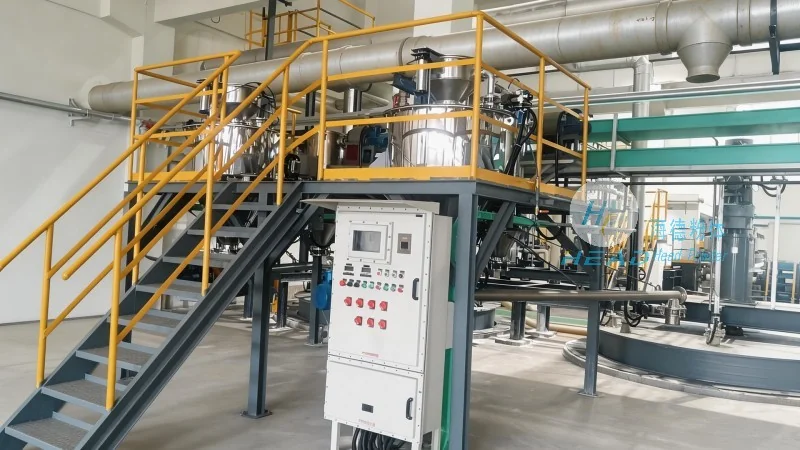
Core Components of Resin Pneumatic Conveying Systems
The operation of a resin pneumatic conveying system relies on several key components that work in concert to move materials. The primary components include a hopper or feeder for material storage and feeding, a conveying line (typically a pipe) through which the material is transported, a blower or compressor to generate the air flow, and a receiver or discharge hopper where the material is deposited. Additionally, control valves, filters, and dust collection systems may be integrated to manage pressure, prevent material degradation, and maintain air quality. Each component plays a critical role in the overall functionality of the system, and their design must be optimized for the specific characteristics of the resin being conveyed.
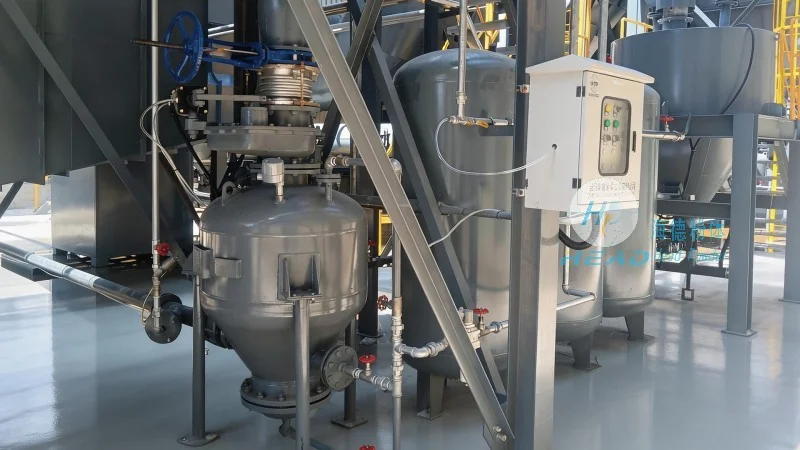
Design Principles for Efficient Resin Transport
The design of a resin pneumatic conveying system is guided by several key principles aimed at maximizing efficiency, minimizing energy consumption, and ensuring material integrity. One of the most important principles is the selection of the appropriate conveying velocity, which must be high enough to prevent material settling in the pipeline but low enough to avoid excessive wear on the equipment. The system's design also considers the particle size, density, and flow characteristics of the resin, as these factors influence the required air velocity and pressure. Another critical principle is the use of appropriate pipe diameters and materials, which must be resistant to corrosion and abrasion caused by the resin particles. The system's layout, including the number and placement of bends and elbows, is also carefully designed to minimize pressure losses and prevent material buildup. Furthermore, the inclusion of pressure relief valves and safety features is essential to protect the system from overpressure and ensure safe operation.
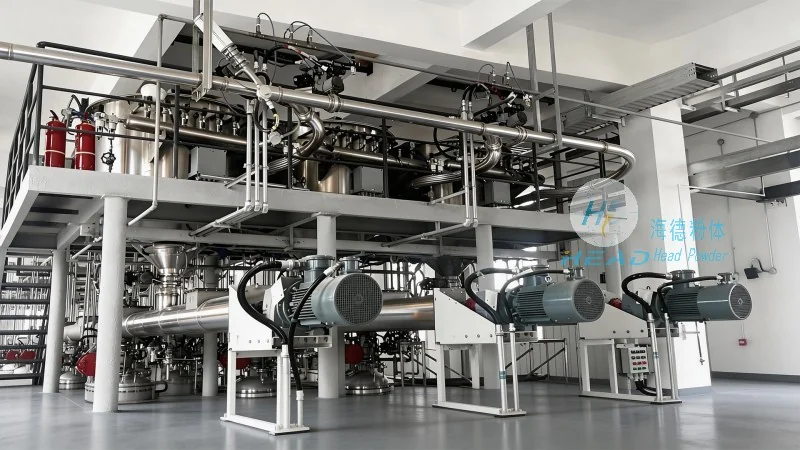
Advantages of Resin Pneumatic Conveying Systems
Resin pneumatic conveying systems offer several advantages over traditional mechanical conveying methods. One of the primary benefits is the ability to transport materials over long distances without the need for multiple transfer points or elevators. This reduces the risk of material contamination and improves overall process efficiency. Additionally, these systems are highly flexible, allowing for easy integration into existing production lines and modification to accommodate changes in material types or production volumes. The use of air as the conveying medium also eliminates the need for mechanical components such as belts or chains, which can wear out and require frequent maintenance. Furthermore, pneumatic conveying systems can handle a wide range of resin types, including powders, granules, and pellets, without causing degradation or caking. This versatility makes them suitable for various applications, from small-scale laboratory operations to large-scale industrial production.
Applications in Industrial Settings
Resin pneumatic conveying systems are widely used in various industrial applications where the transport of resin materials is critical. In the plastics industry, these systems are commonly used to transport raw resin pellets from storage silos to processing machines, such as extruders or injection molding equipment. In chemical processing, they are employed to move resin powders between reactors and storage tanks, ensuring a continuous and controlled flow of materials. The pharmaceutical industry also utilizes these systems for the transport of resin-based excipients or active ingredients, where maintaining product purity and preventing contamination is paramount. Additionally, in the food and beverage industry, pneumatic conveying systems are used to transport resin-based ingredients or packaging materials, where hygiene and material integrity are essential. The versatility and efficiency of resin pneumatic conveying systems make them a preferred choice in these and other industries.
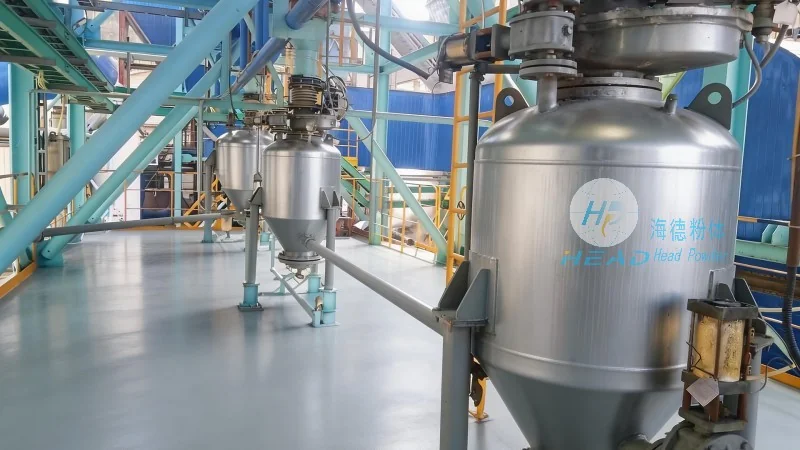
Company Profile: Shandong HeadPowder Engineering Co., Ltd.
Shandong HeadPowder Engineering Co., Ltd., commonly known as HeadPowder, is a leading manufacturer and supplier of resin pneumatic conveying systems and related industrial equipment. With a strong focus on innovation and quality, the company has established itself as a trusted partner in the industry, providing customized solutions tailored to the specific needs of its clients. HeadPowder's products are designed and manufactured using advanced technology and strict quality control measures, ensuring high performance, reliability, and durability. The company's team of experienced engineers and technicians works closely with clients to understand their requirements and develop optimal solutions, from system design and installation to maintenance and support. HeadPowder's commitment to customer satisfaction and technological advancement has made it a preferred choice for businesses seeking efficient and reliable resin conveying solutions.




