Sweet potato starch production is a key industry in many regions, and the efficiency of material handling systems directly impacts overall production capacity and product quality. The pneumatic conveying line, specifically designed for sweet potato starch, has become a critical component in modern processing facilities. This article explores the fundamental principles behind these systems and highlights the key characteristics of their operational environments.
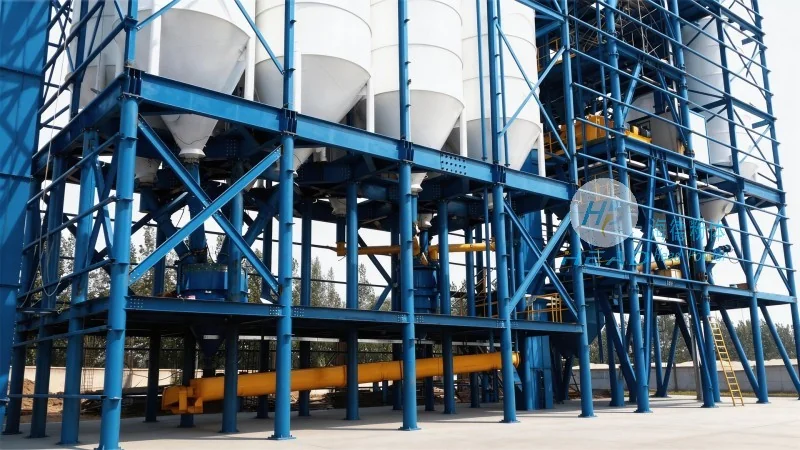
About HeadPowder: Your Trusted Partner in Material Handling Solutions
HeadPowder, operating as Shandong HeadPowder Engineering Co., Ltd., is a leading manufacturer based in Shandong, China. With years of experience in engineering and manufacturing, HeadPowder specializes in providing customized pneumatic conveying solutions tailored to the unique needs of starch processing industries. Our commitment to quality and innovation ensures that our clients receive reliable equipment that enhances productivity and operational safety.
The Principle of Pneumatic Conveying for Sweet Potato Starch
Pneumatic conveying systems utilize air to transport solid materials like sweet potato starch through a network of pipes. There are two primary types of pneumatic conveying: positive pressure and negative pressure. In positive pressure systems, a fan or blower generates air pressure that pushes the material forward through the pipeline. Negative pressure systems, on the other hand, create a vacuum that draws the material into the system. For sweet potato starch, positive pressure is often preferred due to its ability to handle fine powders and maintain consistent flow rates.
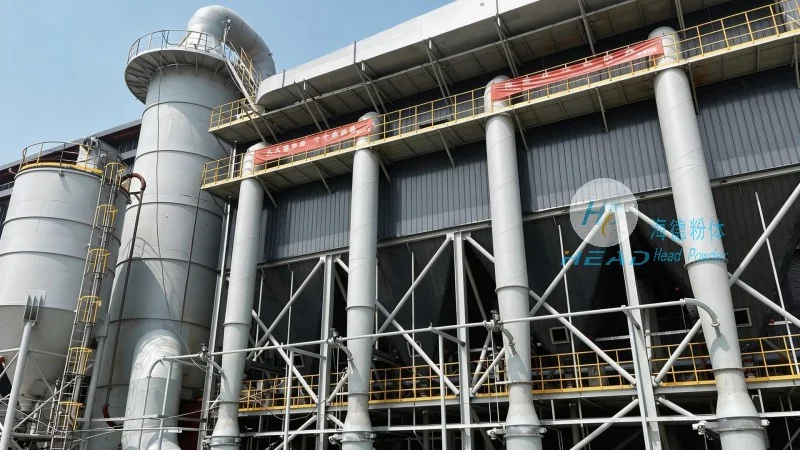
The core components of a pneumatic conveying line include a material feeder, a conveying pipeline, a separator or cyclone, and a dust collector. The material feeder ensures a steady supply of starch into the system, while the pipeline transports the material to the processing or storage areas. The separator separates the starch from the air, and the dust collector captures any residual particles, ensuring environmental compliance and product purity.
Key Working Scene Characteristics of Sweet Potato Starch Pneumatic Conveying Lines
The operational environment of sweet potato starch pneumatic conveying lines is characterized by several factors that influence system design and performance. Firstly, the material properties of sweet potato starch, such as its fine particle size and hygroscopic nature, require specialized equipment to prevent clogging and maintain flow consistency. The conveying system must be designed to handle variations in starch moisture content and particle size distribution, which can affect air velocity and pressure requirements.
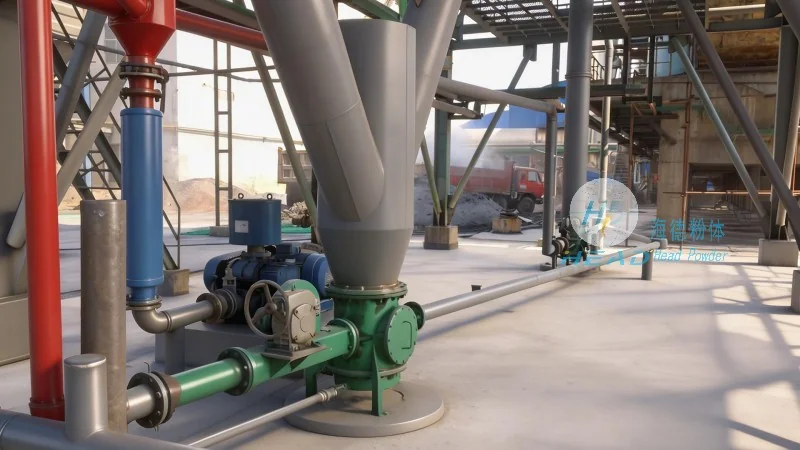
Secondly, the scale of production plays a significant role in determining the system's capacity. Large-scale processing facilities may require multi-stage conveying systems with higher air volumes and more robust components to handle higher throughput. Conversely, smaller operations may use simpler, single-stage systems that are more cost-effective while still meeting operational needs.
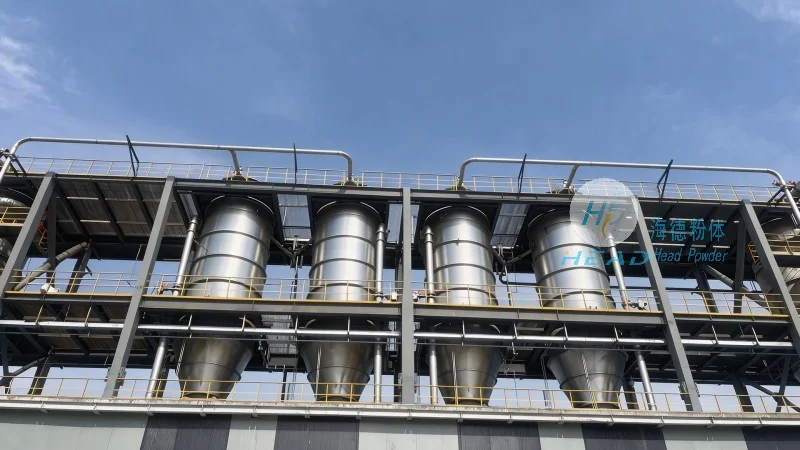
Thirdly, the integration of the conveying line with other processing equipment is crucial for seamless workflow. In a typical sweet potato starch production line, the pneumatic conveying system connects the starch separation unit to the drying or packaging stages. The system must be synchronized with these processes to ensure that material is transferred efficiently without bottlenecks or delays. This integration also requires careful consideration of space constraints and layout, as the conveying lines need to be installed in a way that optimizes the overall plant layout.
Lastly, operational safety and maintenance are critical considerations. Pneumatic conveying systems operate at high air velocities and pressures, which can pose safety risks if not properly designed and maintained. Regular maintenance, including cleaning of the separator and pipeline, and monitoring of air pressure and flow rates, is essential to prevent system failures and ensure long-term reliability. Additionally, the system must comply with local environmental regulations regarding dust emissions, which may require the use of advanced dust collection technologies.




