Phenolic resin pneumatic conveying lines represent a sophisticated system designed for the efficient and reliable transport of phenolic resin materials. These systems utilize air or gas as the primary medium to move bulk materials through a network of pipes, offering a solution that minimizes material degradation and ensures consistent flow. The technology behind these lines integrates principles of fluid dynamics and material handling, making them suitable for various industrial applications where traditional conveyor systems may be less effective. HeadPowder, a leading provider of engineering solutions, specializes in designing and manufacturing such systems tailored to the unique needs of clients in the phenolic resin industry.
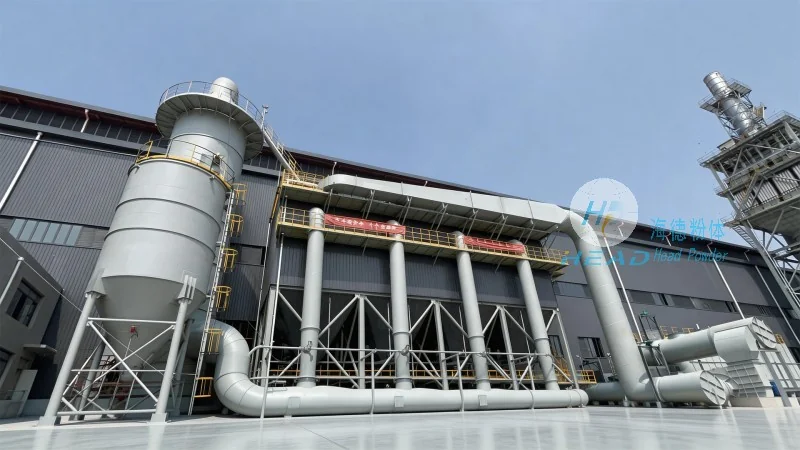
The Working Principle of Pneumatic Conveying Systems
The core mechanism of phenolic resin pneumatic conveying lines involves the creation of a pressure differential or vacuum to move material. In a typical operation, the system can operate in either positive pressure or negative pressure modes. Positive pressure systems use a blower to force air through the conveying line, carrying the resin particles along. Negative pressure systems, on the other hand, employ a vacuum to draw material from the source into the line. The choice between these modes depends on factors such as material characteristics, distance, and system layout. For phenolic resin, which can be sensitive to moisture or temperature changes, the design of the conveying line often includes features like temperature control and moisture-resistant components to preserve material quality during transport.
Key Components and Their Functions
Several critical components work in tandem to ensure the smooth operation of phenolic resin pneumatic conveying lines. These include the material feed hopper, which holds the resin and controls the flow rate; the air or gas source, typically a blower or vacuum pump, that provides the necessary pressure or suction; the conveying line itself, made from materials resistant to chemical exposure and wear; and the discharge hopper or receiver, where the material is deposited. Additionally, systems may incorporate filters to remove dust or debris, check valves to prevent backflow, and pressure relief valves for safety. Each component is engineered to handle the specific properties of phenolic resin, such as its density, particle size, and potential stickiness, ensuring optimal performance and longevity.
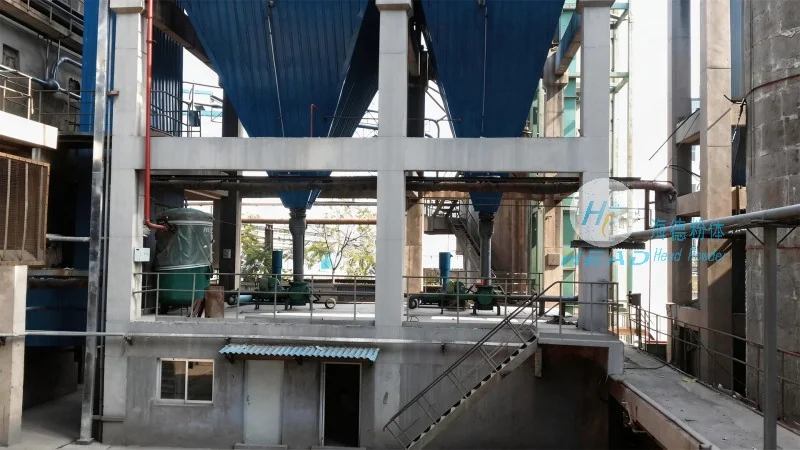
Working Scene Characteristics and Applications
The working scene characteristics of phenolic resin pneumatic conveying lines are tailored to meet the demands of diverse industrial environments. These systems are commonly used in manufacturing facilities where phenolic resin is processed into products like adhesives, coatings, or composite materials. The ability to transport resin from storage silos to processing equipment without the need for manual handling or intermediate storage makes the system highly efficient. Furthermore, the enclosed nature of pneumatic conveying reduces the risk of dust and resin particles from dispersing into the workplace, improving air quality and reducing the risk of respiratory issues for workers. In addition to manufacturing, these lines may also be employed in research and development settings, where precise control over material transport is essential for experimental processes. Shandong HeadPowder Engineering Co., Ltd., based in China, has extensive experience in implementing such systems for clients across various industries.
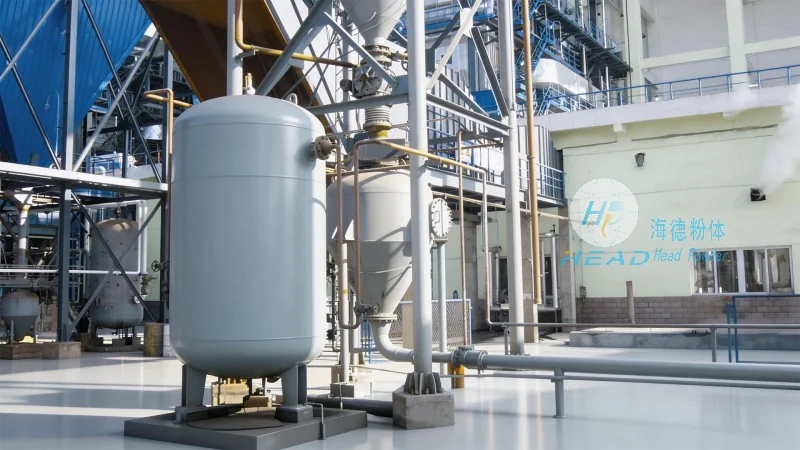
Advantages of Phenolic Resin Pneumatic Conveying Lines
Implementing phenolic resin pneumatic conveying lines offers several advantages over traditional material handling methods. One of the most significant benefits is the reduction in material handling time and labor costs. By automating the transport process, companies can increase production throughput while minimizing the risk of human error. Additionally, the enclosed system prevents dust and resin particles from dispersing into the workplace, improving air quality and reducing the risk of respiratory issues for workers. The system also offers flexibility in layout, as the conveying line can be configured to follow the existing structure of a facility, optimizing space utilization. Furthermore, the ability to control the flow rate and pressure allows for precise regulation of material delivery, which is crucial for processes that require consistent resin supply, such as in the production of high-quality composite materials.
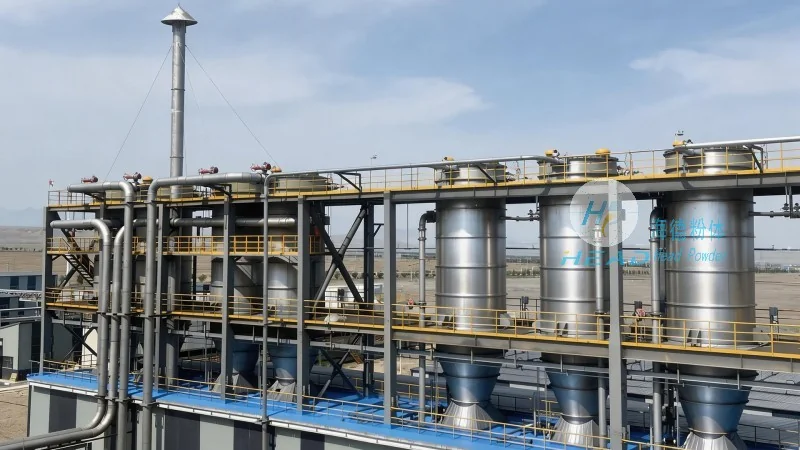
Considerations for Installation and Maintenance
When installing a phenolic resin pneumatic conveying line, several factors must be considered to ensure optimal performance and longevity. The first step is to assess the material characteristics of the phenolic resin, including its particle size distribution, moisture content, and chemical properties. This information helps in selecting the appropriate equipment, such as the type of blower, the diameter of the conveying line, and the material of construction. Proper sizing of the air or gas source is critical to maintain the required pressure or vacuum, and inadequate sizing can lead to reduced conveying efficiency or material blockages. Additionally, the system should be designed with appropriate safety features, including pressure relief valves and check valves, to prevent accidents and ensure compliance with industrial safety regulations. Regular maintenance is essential to keep the system operating efficiently. This includes cleaning filters, inspecting for wear and tear on components, and checking the performance of the air source. Regular maintenance not only extends the lifespan of the equipment but also ensures consistent material quality and system reliability. HeadPowder, with its headquarters in Shandong, China, provides comprehensive support for installation and maintenance, ensuring that clients receive long-term value from their investment.
Conclusion
Phenolic resin pneumatic conveying lines represent a reliable and efficient solution for the transport of phenolic resin materials in industrial settings. By leveraging principles of pneumatic transport, these systems offer advantages such as reduced labor costs, improved material quality, and enhanced workplace safety. The working scene characteristics, including their adaptability to various industrial applications and the ability to handle sensitive materials like phenolic resin, make them a preferred choice for many manufacturers. As technology continues to advance, the design and functionality of these systems are likely to improve, further enhancing their role in modern material handling processes. For companies operating in industries that rely on phenolic resin, investing in a well-designed pneumatic conveying line can provide long-term benefits in terms of efficiency, productivity, and operational safety. Shandong HeadPowder Engineering Co., Ltd. remains committed to delivering high-quality engineering solutions that meet the evolving needs of the phenolic resin industry.




