For industrial applications requiring the efficient and safe transportation of magnesium hydroxide, pneumatic conveying systems offer a reliable solution. This article explores the underlying principles of magnesium hydroxide pneumatic conveying lines, along with key characteristics of their operational scenarios, as presented by Shandong HeadPowder Engineering Co., Ltd., a leading provider based in Shandong, China.
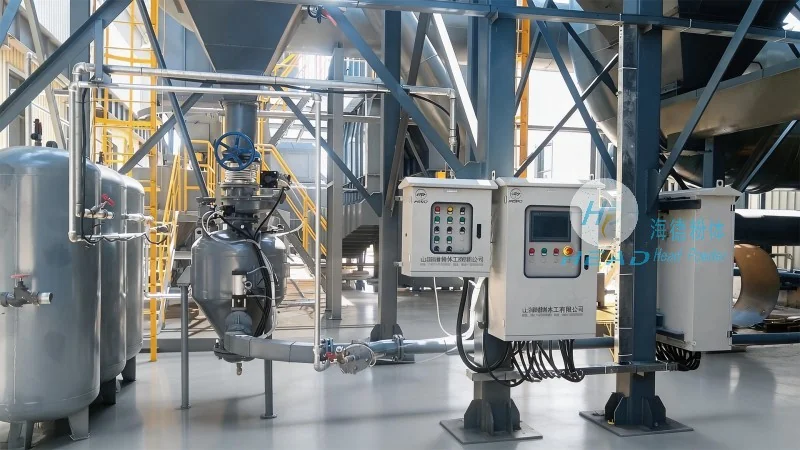
Company Overview: HeadPowder Engineering
Shandong HeadPowder Engineering Co., Ltd. specializes in the design, manufacturing, and implementation of advanced material handling solutions. With a strong focus on innovation and customer-centric approaches, the company has established itself as a trusted partner in the chemical and industrial sectors. HeadPowder Engineering’s expertise lies in developing customized pneumatic conveying systems tailored to the unique needs of clients, ensuring optimal performance and safety in material transport operations.
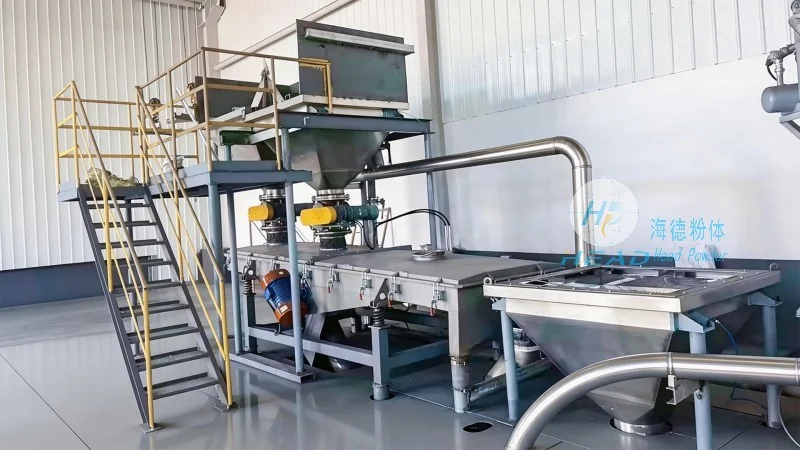
Understanding Pneumatic Conveying Principles
The core principle of pneumatic conveying involves the use of air or gas to transport bulk materials through a pipeline. In the case of magnesium hydroxide, which is a fine powder with specific handling requirements, this method provides several advantages over traditional mechanical conveying systems. The process typically involves a blower or compressor that generates airflow, which then propels the powder particles through the pipeline. Key components of a magnesium hydroxide pneumatic conveying line include the material hopper, feeder, conveying line, and receiver. The material is first loaded into the hopper, where it is then fed into the pipeline via a rotary valve or other feeding mechanism. The air flow, controlled by the blower, creates a low-pressure or high-pressure environment that moves the powder along the line to the destination receiver. This method is particularly effective for handling materials that are dusty, abrasive, or sensitive to moisture, as it minimizes direct contact with equipment and reduces the risk of contamination.
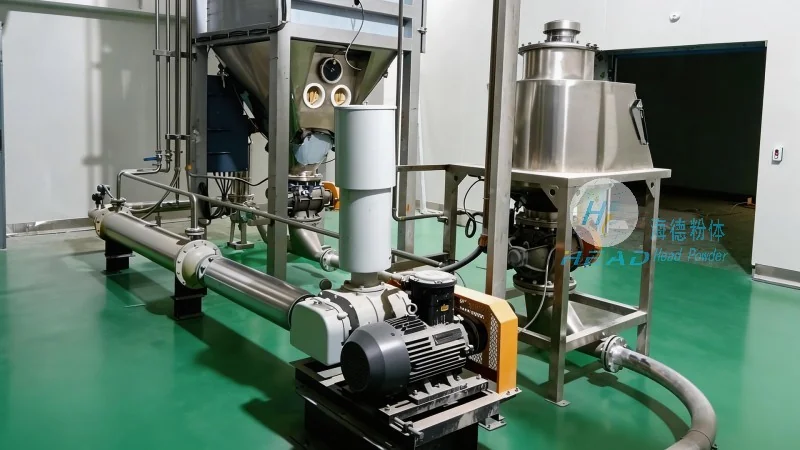
Key Features of Magnesium Hydroxide Pneumatic Conveying Lines
When evaluating the operational characteristics of magnesium hydroxide pneumatic conveying systems, several factors stand out as critical for performance and efficiency. First, the system’s ability to handle fine powders without clogging or blockages is paramount. Magnesium hydroxide particles are typically in the micrometer range, and the design of the conveying line, including the diameter of the pipeline and the speed of the air flow, must be optimized to prevent agglomeration. Second, the system’s energy efficiency is a key consideration. Modern pneumatic conveying systems use variable frequency drives (VFDs) to adjust air pressure and flow rates, reducing energy consumption while maintaining material transport. Third, safety features are integrated into the design to mitigate risks associated with dust explosions or material spills. This includes explosion-proof components, dust collection systems, and emergency shut-off valves. Additionally, the system’s flexibility allows for easy integration with existing production lines, enabling seamless material transfer between different stages of processing.
Typical Working Scenarios and Applications
Magnesium hydroxide pneumatic conveying lines are widely used in various industrial settings, each with distinct operational requirements. One common scenario is in the chemical manufacturing industry, where magnesium hydroxide is used as a filler or flame retardant in plastics and rubber products. In this context, the conveying line connects the production reactors to storage silos or packaging units, ensuring a continuous supply of material. Another application is in the pharmaceutical industry, where the material is used as an antacid or in the production of dietary supplements. Here, the system must meet stringent hygiene and contamination control standards, with stainless steel components and closed-loop conveying to prevent cross-contamination. In the construction materials sector, magnesium hydroxide is used as a fire-resistant additive in building materials. The conveying line transports the powder from the production plant to construction sites or distribution centers, supporting large-scale construction projects. Each of these scenarios highlights the adaptability of pneumatic conveying systems to diverse industrial needs, making them a versatile solution for magnesium hydroxide transport.
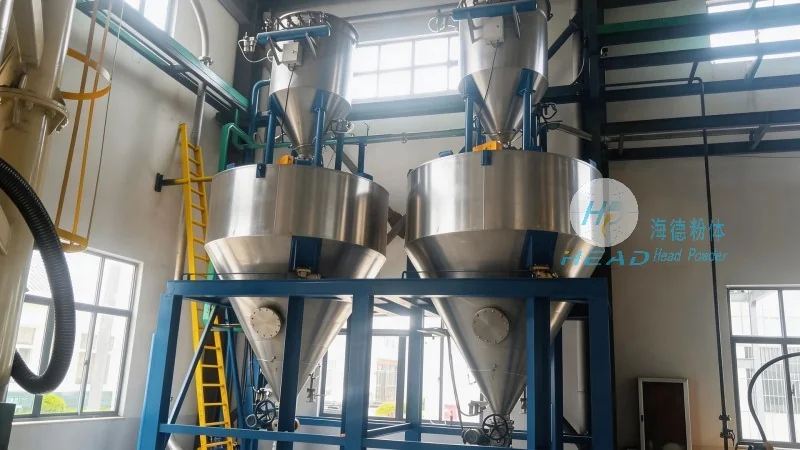
Advantages and Considerations for Operational Efficiency
Implementing a magnesium hydroxide pneumatic conveying line offers several advantages that enhance operational efficiency and product quality. Compared to mechanical conveying, pneumatic systems reduce labor costs by automating material transport and minimize the risk of material degradation due to less direct contact with equipment. The system also provides better control over material flow, allowing for precise dosing and consistent product quality. However, there are considerations to keep in mind when selecting or operating such a system. For instance, the initial investment cost can be higher than traditional methods, and maintenance requirements, particularly for the blower and pipeline, need regular attention to ensure long-term reliability. Additionally, the system’s performance is dependent on the properties of the material being conveyed, such as particle size, moisture content, and density, which must be carefully considered during the design phase. Proper sizing of the pipeline and air flow rate is crucial to avoid excessive pressure drops or energy waste. Overall, when properly designed and maintained, magnesium hydroxide pneumatic conveying lines provide a robust and efficient solution for material handling in industrial applications.




