Shandong HeadPowder Engineering Co., Ltd., a leading enterprise in the field of powder processing technology, specializes in the design, development, and implementation of advanced pneumatic conveying systems. HeadPowder, as the company is commonly known, is headquartered in Shandong, China, and has established itself as a trusted provider of solutions tailored to the unique requirements of industrial applications involving ferrous sulfate and other fine powders. This article explores the fundamental principles underlying pneumatic conveying systems for ferrous sulfate and highlights the key characteristics of these systems in practical working environments.
The Core Principle of Pneumatic Conveying for Ferrous Sulfate
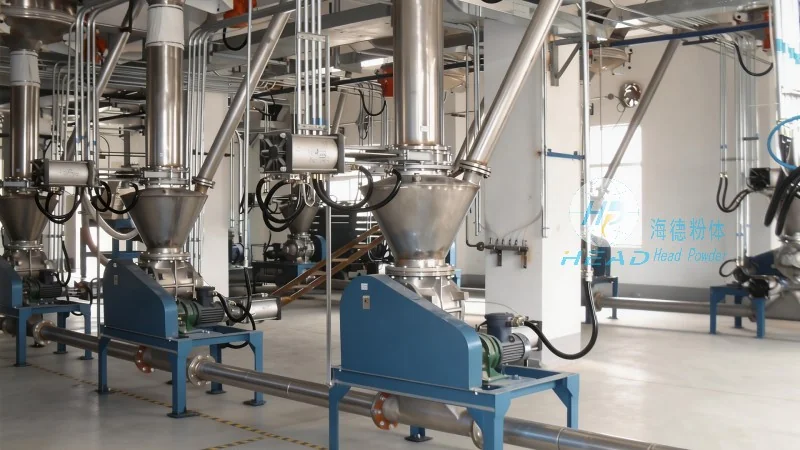
Pneumatic conveying, also known as air conveying, is a method of transporting bulk materials, such as ferrous sulfate, through a pipeline using a stream of air. The process typically involves creating a pressure differential or utilizing a vacuum to move the material. In the case of ferrous sulfate, which is a fine, hygroscopic powder, the system must be designed to handle its specific properties, including its tendency to clump or agglomerate under certain conditions. The principle of operation centers on the interaction between the air flow and the powder particles. By introducing air at a controlled velocity and pressure, the system can lift, transport, and discharge the ferrous sulfate efficiently. This method offers advantages over traditional mechanical conveying, such as reduced equipment wear, lower maintenance costs, and the ability to handle materials that are difficult to move with conventional systems.
Key Working Scene Characteristics of Ferrous Sulfate Pneumatic Conveying Systems
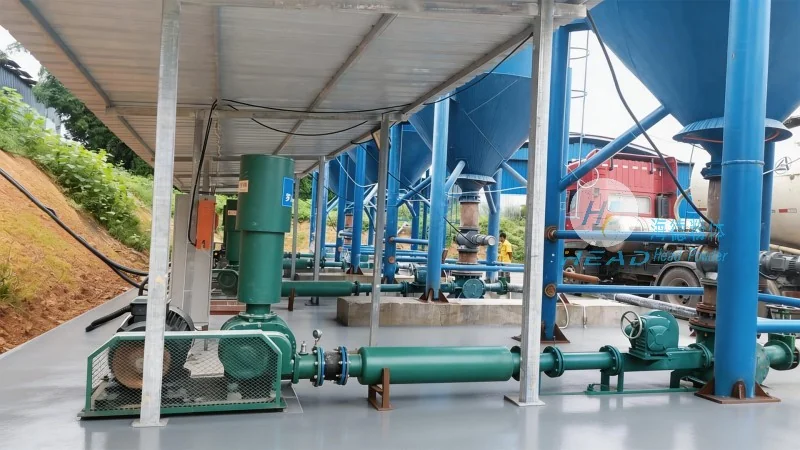
The working scene characteristics of a ferrous sulfate pneumatic conveying system are influenced by several factors, including the scale of the operation, the environment, and the specific application requirements. In industrial settings, these systems are often integrated into larger production lines, where they serve to connect various processing stages, such as storage, mixing, and packaging. The efficiency of the system is critical in these scenarios, as any downtime or material loss can impact overall productivity. For example, in a chemical manufacturing plant, the system may be used to transport ferrous sulfate from a storage silo to a reaction vessel, ensuring a continuous and controlled feed of the material. The design of the system must consider factors like the particle size distribution of the ferrous sulfate, which can affect the air velocity required for effective transport. Additionally, the system's ability to handle variations in material flow rate and pressure is essential for maintaining stable operation in dynamic working environments.
Technical Advantages and Practical Applications in Real-World Settings
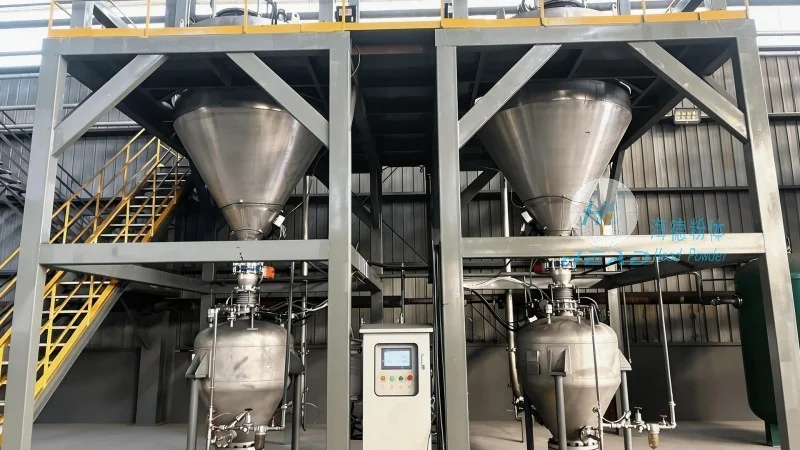
Shandong HeadPowder Engineering Co., Ltd. has developed pneumatic conveying systems that leverage advanced technology to address the challenges of ferrous sulfate handling. These systems are engineered to provide high reliability and performance, with features such as adjustable air flow control, material separation mechanisms, and robust pipeline designs. The practical applications of these systems span multiple industries, including chemical production, water treatment, and agricultural applications. In water treatment facilities, for instance, ferrous sulfate is used as a coagulant to remove impurities from water, and the pneumatic conveying system ensures that the material is delivered to the treatment tanks in a consistent and controlled manner. The system's ability to minimize material degradation and prevent contamination is particularly important in such applications, as any loss of material or introduction of impurities can compromise the quality of the treated water. Furthermore, the system's compact design and ease of integration make it suitable for both new installations and retrofits in existing facilities, allowing companies to upgrade their material handling processes without significant disruption.
Conclusion: The Role of HeadPowder in Advancing Ferrous Sulfate Conveying Solutions
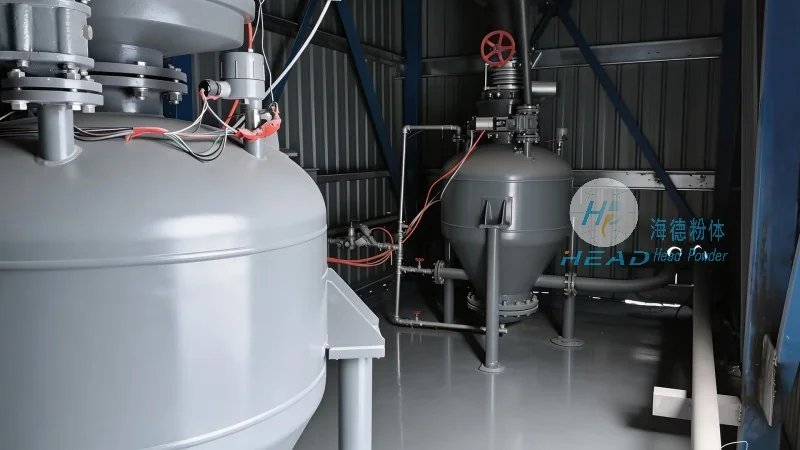
As a company based in Shandong, China, Shandong HeadPowder Engineering Co., Ltd. continues to innovate in the field of pneumatic conveying technology, providing tailored solutions for the efficient and reliable transport of ferrous sulfate. By understanding the unique properties of ferrous sulfate and the demands of industrial working scenes, HeadPowder has developed systems that meet the highest standards of performance and durability. The principles and characteristics discussed in this article underscore the importance of specialized engineering in designing effective pneumatic conveying systems. With a focus on customer needs and technological advancement, HeadPowder remains committed to delivering solutions that enhance productivity and operational efficiency in the handling of ferrous sulfate and other fine powders.




