When it comes to efficiently transporting river sand, selecting the right air-pneumatic conveying system is crucial for optimizing operational efficiency and minimizing costs. As a leading provider in the field, Shandong HeadPowder Engineering Co., Ltd. offers a range of tailored solutions designed to meet the specific needs of clients. This article explores several effective approaches for air-driven transport of river sand, highlighting the advantages and applications of each method.
Understanding Air-Pneumatic Conveying Systems
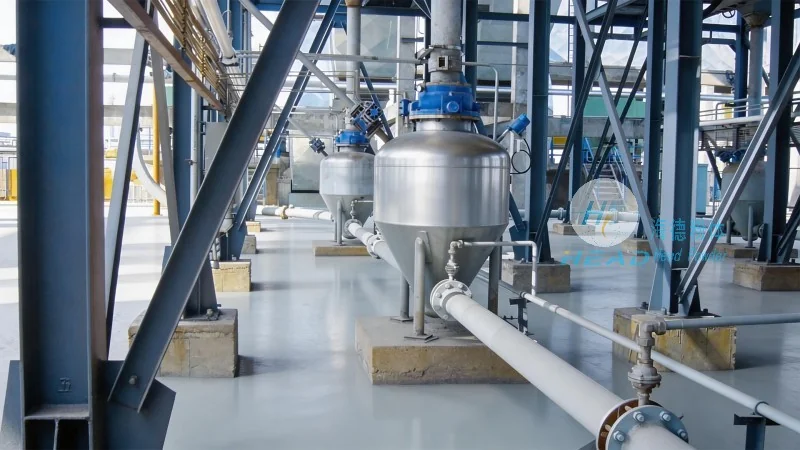
Before delving into specific solutions, it's essential to understand the fundamental principles of air-pneumatic conveying. This technology uses compressed air or vacuum to move bulk materials like river sand through a pipeline. The system typically consists of a hopper, a conveyor line, and a discharge point, with the air serving as the medium to transport the material. The choice of system depends on factors such as material characteristics, distance, and required throughput.
Option 1: Positive Pressure Conveying
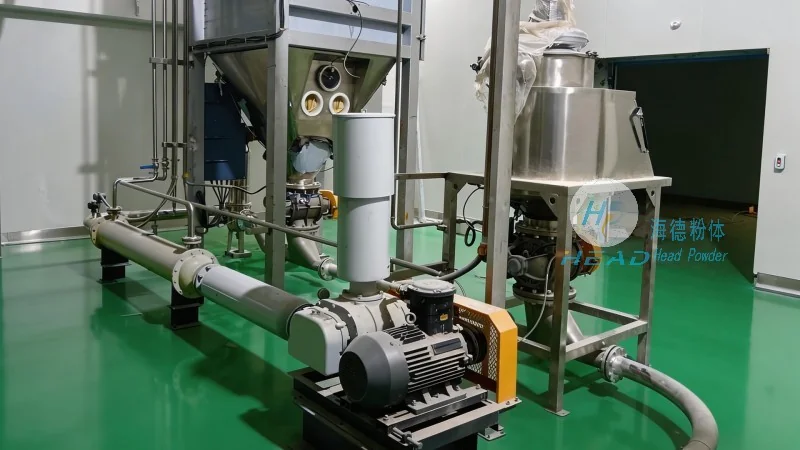
Positive pressure conveying, also known as pressure pneumatic conveying, is a common method for transporting river sand. In this system, compressed air is introduced at the hopper, creating a positive pressure that pushes the sand through the pipeline. This approach is particularly effective for short to medium distances and when dealing with abrasive or sticky materials. The positive pressure system ensures a consistent flow rate and can handle high volumes of material. Shandong HeadPowder Engineering Co., Ltd. specializes in designing and manufacturing positive pressure conveying systems that are robust and reliable, suitable for various industrial applications.
Option 2: Negative Pressure Conveying
Negative pressure conveying, or vacuum pneumatic conveying, operates by creating a vacuum at the discharge end of the pipeline. This vacuum pulls the river sand from the hopper and through the system. This method is ideal for longer distances and when the material needs to be transported from multiple points to a single collection point. Negative pressure systems are often more energy-efficient for longer runs and can handle fine or dusty materials without the risk of dust dispersion. The engineering team at Shandong HeadPowder Engineering Co., Ltd. has extensive experience in designing vacuum conveying systems that ensure efficient and clean transport of river sand.
Option 3: Mixed-Pressure Conveying
For applications requiring a combination of the benefits of both positive and negative pressure systems, mixed-pressure conveying is an excellent choice. This approach uses a combination of compressed air and vacuum to transport river sand. The system may start with a positive pressure section to move material from the hopper and then switch to a negative pressure section for the remainder of the pipeline. This method is particularly useful for complex layouts or when dealing with varying material characteristics. Shandong HeadPowder Engineering Co., Ltd. offers customized mixed-pressure solutions that can be tailored to meet the unique requirements of each project, ensuring optimal performance and cost-effectiveness.
Key Considerations for Selecting the Right System
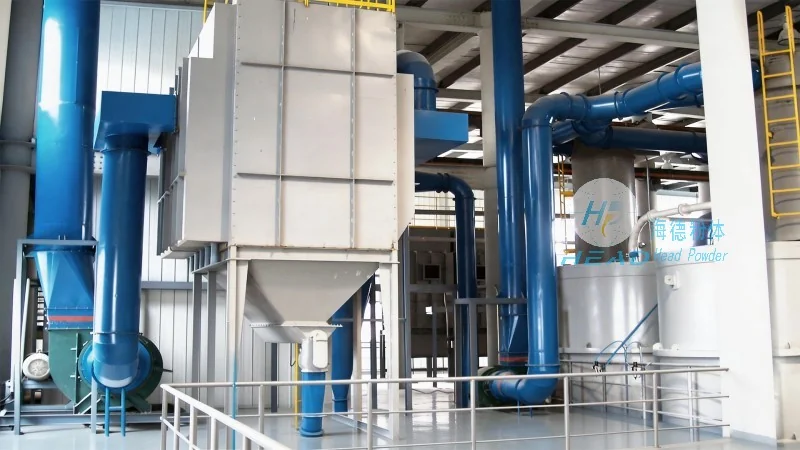
When choosing an air-pneumatic conveying system for river sand, several factors must be considered. The first is the distance and layout of the transport route. Short distances may be suitable for positive pressure systems, while longer distances may require negative pressure or mixed-pressure solutions. The second factor is the material's properties, such as particle size, moisture content, and abrasiveness. These characteristics can affect the system's design and components, such as the type of pipeline and the air flow rate. Additionally, the required throughput and operational efficiency are critical. Shandong HeadPowder Engineering Co., Ltd. provides comprehensive engineering services to assess these factors and recommend the most suitable system for each client's needs.
Benefits of Air-Pneumatic Conveying for River Sand
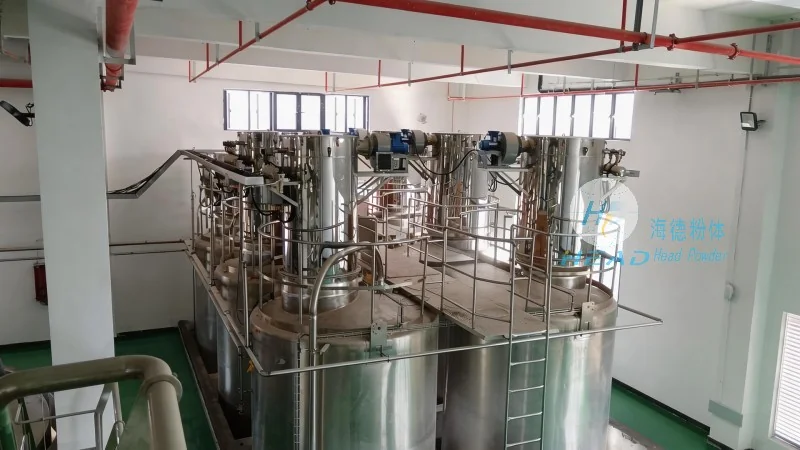
Implementing an air-pneumatic conveying system for river sand offers numerous benefits. One of the primary advantages is the ability to transport material without the need for mechanical components like belts or buckets, reducing maintenance and operational costs. The system is also highly flexible, allowing for easy integration into existing facilities or expansion as needed. Furthermore, air-pneumatic conveying can be more energy-efficient compared to traditional methods, especially for longer distances. The technology also minimizes material degradation and dust generation, contributing to a cleaner and safer working environment. Shandong HeadPowder Engineering Co., Ltd. emphasizes these benefits in its solutions, ensuring that clients achieve optimal performance and sustainability in their operations.
Conclusion
Choosing the right air-pneumatic conveying system for river sand is a critical decision that can significantly impact operational efficiency and cost-effectiveness. Whether opting for positive pressure, negative pressure, or mixed-pressure solutions, the expertise of Shandong HeadPowder Engineering Co., Ltd. ensures that clients receive tailored systems designed to meet their specific requirements. With a focus on quality, reliability, and innovation, the company provides comprehensive solutions that enhance the transport of river sand while minimizing environmental impact. For businesses seeking to optimize their material handling processes, considering air-pneumatic conveying is a smart investment.




