For industrial applications involving the handling of polyethylene materials, efficient and reliable material transport is crucial. Polyethylene, a widely used thermoplastic, often requires specialized handling solutions to ensure safety, productivity, and cost-effectiveness. Pneumatic conveying systems have emerged as a preferred method for transporting polyethylene, offering advantages such as reduced contamination, minimal maintenance, and the ability to handle a variety of polyethylene grades and forms. This article explores the fundamental principles of polyethylene pneumatic conveying systems and highlights key working scene characteristics that make them suitable for diverse industrial environments.
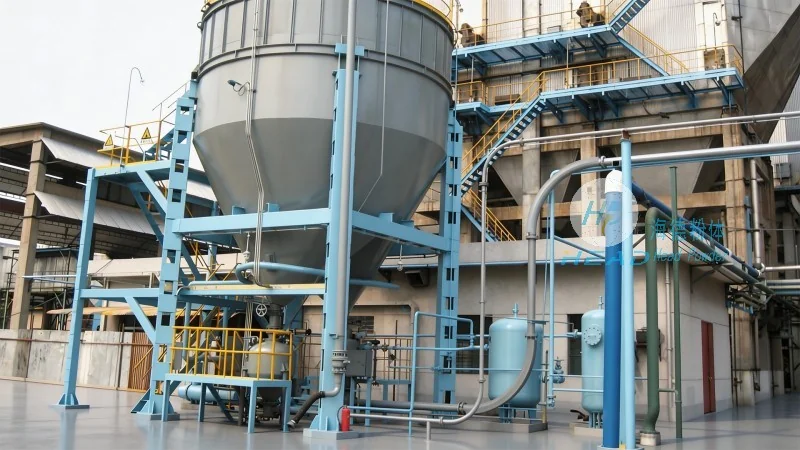
The Core Principles of Pneumatic Conveying for Polyethylene
The operation of a polyethylene pneumatic conveying system is based on the fundamental principle of using air or gas to move solid particles through a pipeline. In this system, polyethylene material is fed into a hopper or feeder, where it is then entrained by a stream of air or gas. The air flow creates a low-pressure zone that draws the polyethylene particles into the pipeline, allowing them to be transported to the destination point. The system typically consists of several key components, including a feeder, a conveying line, a receiver, and a dust collector or filter. The feeder controls the flow rate of the polyethylene, ensuring a consistent and controlled feed into the system. The conveying line is designed to withstand the pressure and temperature variations associated with polyethylene transport, while the receiver collects the material at the end of the line. The dust collector or filter is essential for maintaining air quality and preventing the release of polyethylene particles into the environment.
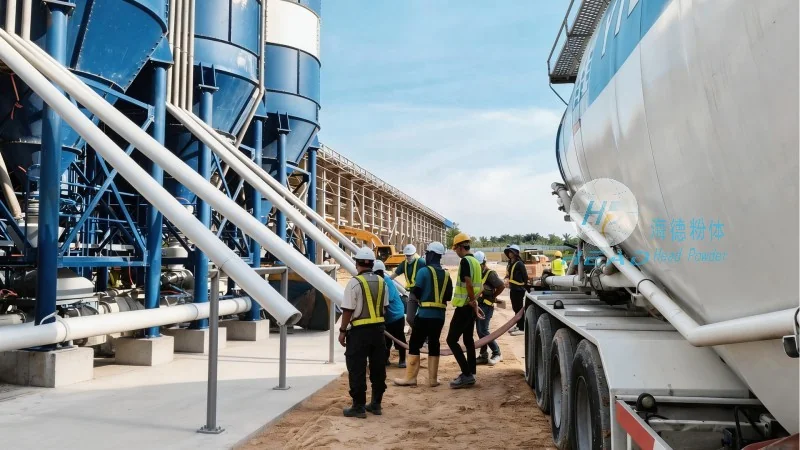
Working Scene Characteristics of Polyethylene Pneumatic Conveying Systems
The suitability of polyethylene pneumatic conveying systems for specific working scenes is determined by several factors, including the nature of the polyethylene material, the distance and layout of the transport route, and the environmental requirements of the application. One key characteristic is the ability to handle different forms of polyethylene, such as pellets, granules, or powders. This versatility allows the system to be adapted to various production processes, from raw material handling to finished product transport. Another important characteristic is the system's efficiency in terms of energy consumption and material throughput. Pneumatic conveying systems can achieve high material transport rates with relatively low energy input, making them an economical choice for many industrial applications. Additionally, the system's ability to operate in a closed environment helps to maintain product quality and prevent contamination, which is critical for polyethylene products that are used in food packaging, medical devices, or other applications where purity is essential.
Applications and Industries Where Polyethylene Pneumatic Conveying Systems Are Used
Polyethylene pneumatic conveying systems are widely used in a variety of industries that rely on the handling of polyethylene materials. In the plastics manufacturing industry, these systems are commonly employed for transporting raw polyethylene pellets from storage silos to processing machines, such as extruders or injection molding equipment. This ensures a continuous and uninterrupted supply of material, which is vital for maintaining production efficiency. In the packaging industry, polyethylene pneumatic conveying systems are used to transport polyethylene films or sheets from production lines to storage areas or shipping facilities. The systems help to minimize material loss and maintain the integrity of the polyethylene products, which is essential for meeting quality standards. Additionally, in the chemical and petrochemical industries, polyethylene pneumatic conveying systems are used to transport polyethylene resins or additives, which are often used as raw materials in the production of other chemicals. The systems provide a safe and efficient method for handling these materials, reducing the risk of accidents and improving overall operational safety.
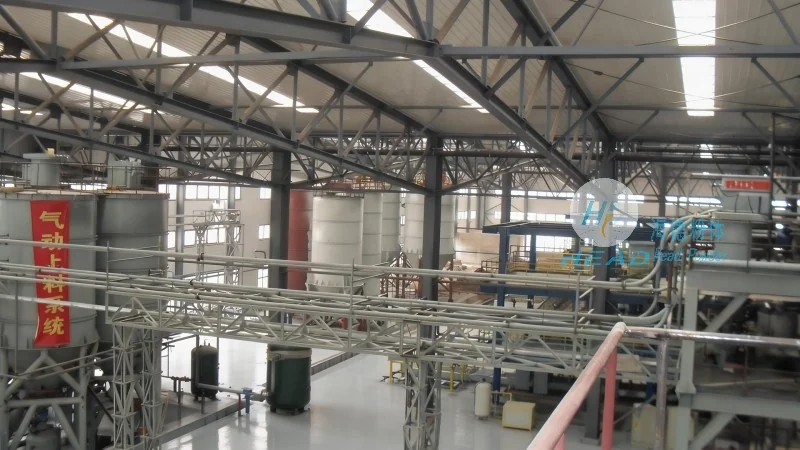
Advantages and Considerations for Implementing Polyethylene Pneumatic Conveying Systems
Implementing a polyethylene pneumatic conveying system offers several advantages over traditional material handling methods. One of the primary advantages is the reduction in labor costs, as the system can operate automatically with minimal human intervention. This leads to increased productivity and reduced operational costs. Another advantage is the improved safety of the system, as it eliminates the need for manual handling of polyethylene materials, which can be hazardous if not handled properly. The system also helps to maintain a clean and organized work environment, as it prevents the accumulation of polyethylene particles on the floor or in other areas. However, there are also some considerations to keep in mind when implementing a polyethylene pneumatic conveying system. For example, the system requires regular maintenance to ensure optimal performance, and the initial investment cost can be higher than that of other material handling methods. Additionally, the system's design must be carefully considered to ensure that it can handle the specific properties of the polyethylene material, such as its density, moisture content, and particle size. Proper sizing of the conveying line and air flow rate is essential to prevent blockages or inefficiencies in the system.




