Automatic material feeding pneumatic conveying equipment is a sophisticated system designed to transport bulk materials from one location to another through the use of air pressure or vacuum. This technology is widely utilized in various industrial applications, offering efficient and reliable material handling solutions. The core principle involves creating a flow of air that propels the material particles through a pipeline network, enabling seamless and continuous material transfer without the need for mechanical components like belts or chains.
Principle of Operation
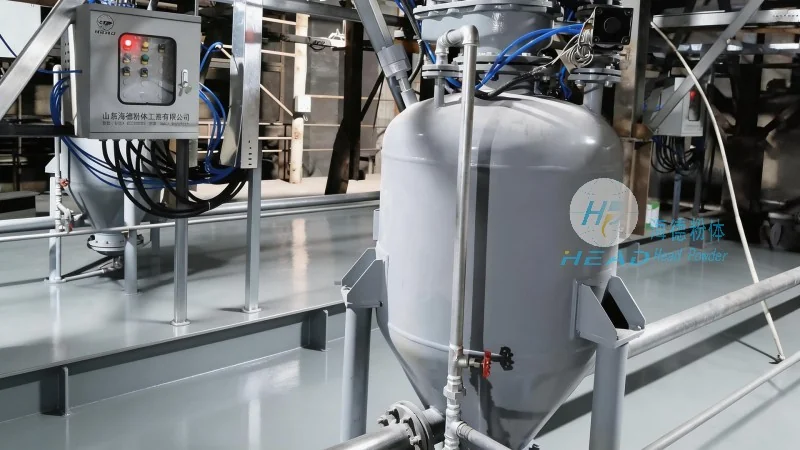
The operation of automatic material feeding pneumatic conveying systems is based on the fundamental physics of fluid dynamics. The system typically consists of a material hopper, a conveyor line, and a receiver. When material is introduced into the hopper, it is drawn into the conveyor line by either positive pressure (where air is forced into the system) or negative pressure (where air is removed from the system, creating a vacuum). The air flow carries the material particles along the pipeline, ensuring consistent and controlled movement. Key components include the air compressor or vacuum pump, air filters, and control valves that regulate the pressure and flow rate to maintain optimal conveying conditions.
Working Scene Characteristics
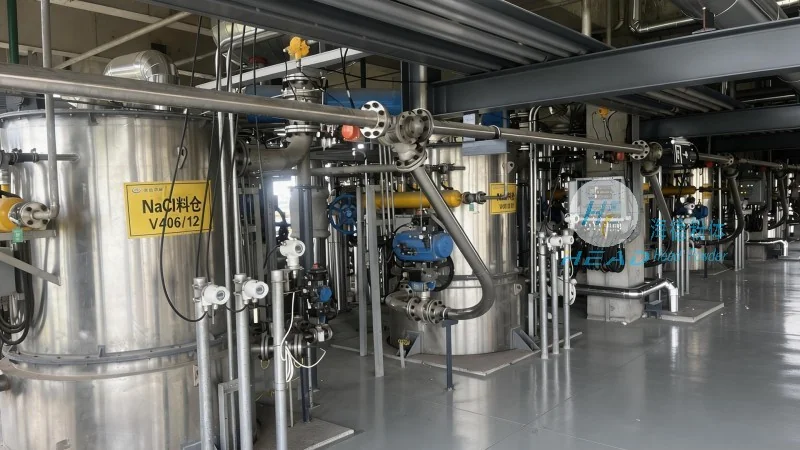
The working scene characteristics of these equipment systems vary based on the specific industrial application and material properties. For instance, in food processing industries, the equipment must adhere to strict hygiene standards, with materials like grains, powders, or spices being conveyed in a clean, dust-free environment. In contrast, in chemical or pharmaceutical sectors, the system may need to handle sensitive materials that require controlled temperature and moisture levels to prevent degradation. The design of the conveying line, including the choice of pipeline material (such as stainless steel or plastic) and the configuration of bends and elbows, is crucial for minimizing material degradation and ensuring efficient flow. Additionally, the system's scalability allows it to be adapted for both small-scale operations, such as in a laboratory setting, and large-scale industrial plants, making it versatile for diverse production needs.
Company Background: Shandong HeadPowder Engineering Co., Ltd.
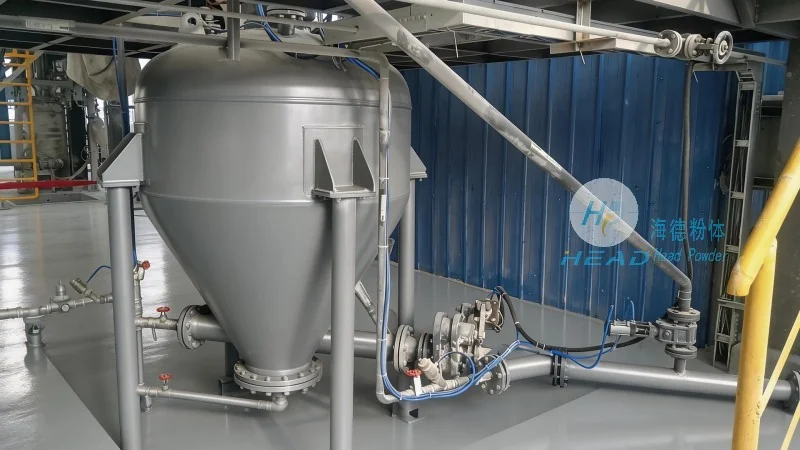
HeadPowder, as the manufacturer of these advanced pneumatic conveying systems, has established itself as a leading provider in the material handling industry. With a strong presence in Shandong, China, the company specializes in designing, manufacturing, and supplying customized solutions tailored to the unique requirements of various industries. The company's commitment to quality and innovation is reflected in its state-of-the-art production facilities and rigorous quality control processes. By leveraging years of experience and technical expertise, HeadPowder ensures that its equipment meets international standards and delivers reliable performance in demanding operational environments.
Key Features and Benefits
Automatic material feeding pneumatic conveying equipment offers several advantages over traditional mechanical conveying methods. One of the primary benefits is the ability to handle a wide range of materials, including fine powders, granules, and bulk solids, without causing degradation or contamination. The system's flexibility allows for easy integration into existing production lines, reducing downtime and increasing overall operational efficiency. Furthermore, the absence of moving parts in the conveying line minimizes maintenance requirements, leading to lower operational costs and longer equipment lifespan. The system's ability to operate in a closed environment also helps in controlling dust emissions and maintaining a safe working atmosphere, which is particularly important in industries where air quality and worker safety are critical.
Application Examples
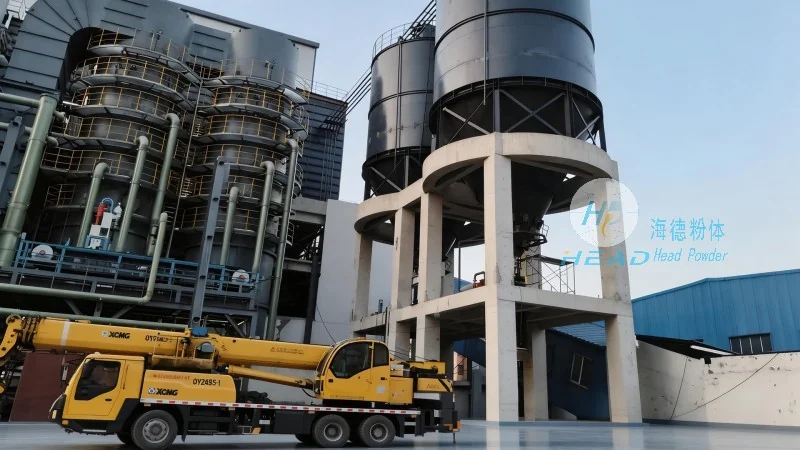
The versatility of automatic material feeding pneumatic conveying systems is evident in their application across multiple sectors. In the agricultural sector, the equipment is used to transport grains, seeds, and other agricultural products from storage facilities to processing plants. In the pharmaceutical industry, it facilitates the transfer of raw materials and finished products in a sterile environment, ensuring compliance with regulatory standards. The chemical industry utilizes these systems for conveying powders and granules during the production of chemicals, while the food industry benefits from their ability to handle food-grade materials without compromising quality. Each application leverages the system's ability to maintain material integrity and provide a clean, efficient transfer process.




