When it comes to efficient material handling, especially for fine sand and gravel, pneumatic conveying systems offer a reliable and effective solution. This article explores the fundamental principles behind fine sand and gravel pneumatic conveying, along with the key characteristics of its working scenes, providing insights into how this technology is applied in practical industrial settings.
Understanding Pneumatic Conveying: The Core Principles
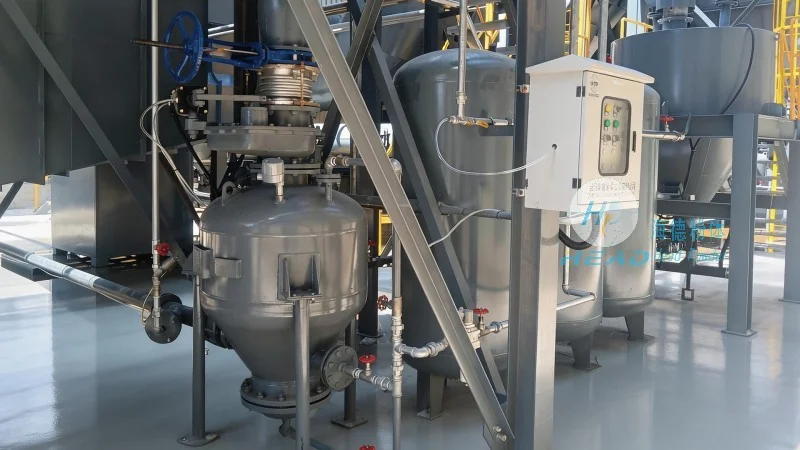
Pneumatic conveying is a method of transporting bulk materials through a pipeline using air or gas as the conveying medium. For fine sand and gravel, this process involves several critical components and mechanisms that ensure smooth and efficient material movement. The primary principle is the creation of a pressure differential within the system, which generates the necessary force to move the material. This is typically achieved by using a blower or compressor to generate airflow, which then carries the particles through the pipeline. The design of the system, including the type of airlock, cyclone separator, and pipeline layout, plays a crucial role in optimizing the conveying process and minimizing material degradation.
Fine Sand and Gravel: Unique Material Characteristics
Fine sand and gravel present specific challenges and considerations in pneumatic conveying due to their physical properties. These materials are often abrasive, which can lead to wear on the system components if not properly managed. Additionally, their particle size and density affect the air velocity required for effective transport. The moisture content of the material can also impact the conveying efficiency, as excessive moisture may cause clogging or reduced airflow. Understanding these characteristics is essential for designing a pneumatic conveying system that is both efficient and durable.
Key Working Scene Characteristics of Fine Sand and Gravel Pneumatic Conveying
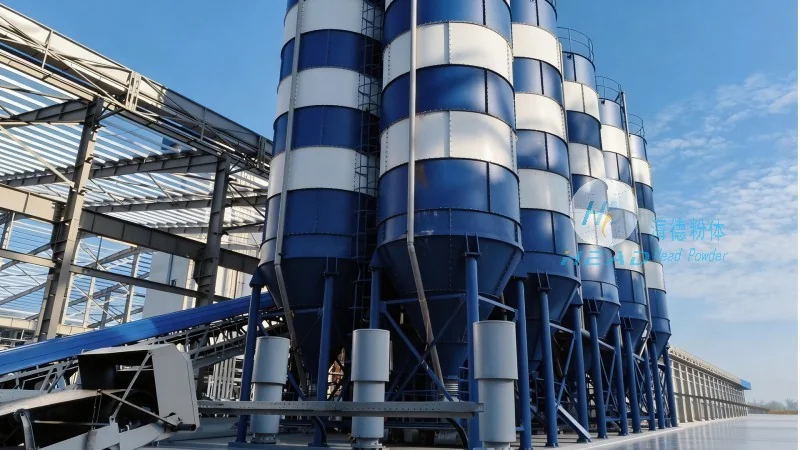
The application of fine sand and gravel pneumatic conveying varies across different industrial sectors, each with its own set of requirements and operational conditions. In construction and mining industries, these systems are commonly used for transporting raw materials from storage silos to processing plants or for moving finished products to storage areas. The working scenes often involve large volumes of material, requiring high-capacity conveying systems that can handle continuous or intermittent flow. In manufacturing processes, such as cement production or concrete mixing, the need for precise material control and consistent quality makes pneumatic conveying an ideal choice. The systems are also used in environmental applications, such as the transport of recycled aggregates or waste materials, where the ability to handle diverse material types is crucial.
System Components and Their Roles in Fine Sand and Gravel Conveying
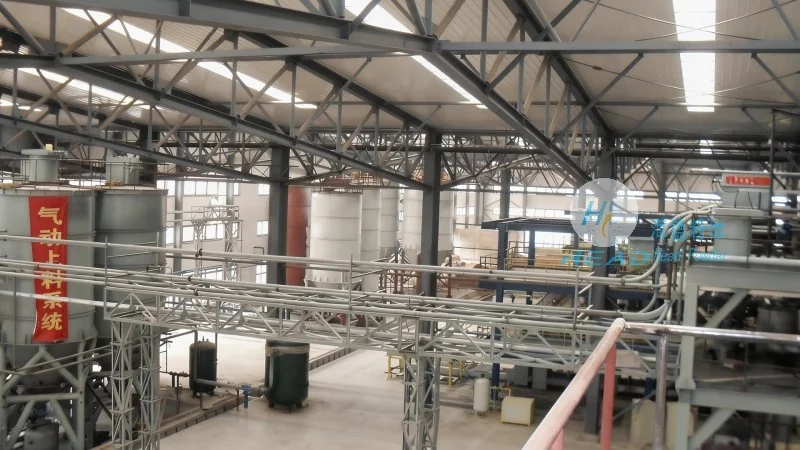
A typical fine sand and gravel pneumatic conveying system consists of several key components that work in tandem to achieve efficient material transport. The primary components include the material feeder, which introduces the sand or gravel into the system, the airlock or rotary valve that controls the flow of material into the pipeline, the conveying pipeline itself, and the receiver or discharge hopper where the material is collected. The blower or compressor provides the necessary air pressure to move the material through the system. The cyclone separator or filter is used to separate the material from the air, allowing the air to be recirculated or vented, and the material to be discharged into the receiver. Each component is designed to handle the specific characteristics of fine sand and gravel, ensuring that the system operates efficiently and with minimal maintenance.
Operational Considerations and Best Practices
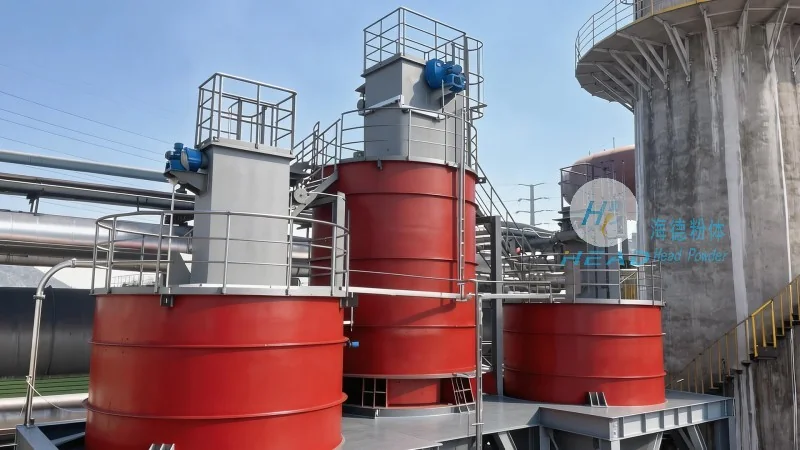
Operating a fine sand and gravel pneumatic conveying system requires careful attention to several factors to ensure optimal performance and longevity. Regular maintenance is essential, including cleaning of the cyclone separator and filter, checking for wear on components, and monitoring air pressure and flow rates. The system should be designed to handle the specific particle size distribution and moisture content of the material, as these factors can significantly impact conveying efficiency. Additionally, the layout of the pipeline should be optimized to minimize pressure losses and avoid bends or turns that could cause material buildup or clogging. Proper training of operators and adherence to safety protocols are also critical to prevent accidents and ensure the safe operation of the system.
About Shandong HeadPowder Engineering Co., Ltd.
Shandong HeadPowder Engineering Co., Ltd., commonly known as headpowder, is a leading provider of pneumatic conveying solutions for fine sand and gravel applications. With a focus on innovation and quality, the company specializes in designing and manufacturing customized pneumatic conveying systems tailored to the specific needs of its clients. Headpowder's expertise lies in understanding the unique challenges of handling fine sand and gravel and developing solutions that address these challenges effectively. The company's systems are known for their reliability, efficiency, and durability, making them a preferred choice for industries such as construction, mining, and manufacturing. Headpowder is committed to providing high-quality products and services, backed by a team of experienced engineers and technicians who are dedicated to meeting the needs of its clients.




