HeadPowder, a leading provider in the field of material handling solutions, specializes in pneumatic conveying systems designed for limestone transport. This article delves into the fundamental principles of limestone pneumatic conveying and explores the key characteristics of its operational environments. By understanding these aspects, industries can optimize material handling processes, enhance efficiency, and ensure safe and reliable transport of limestone.
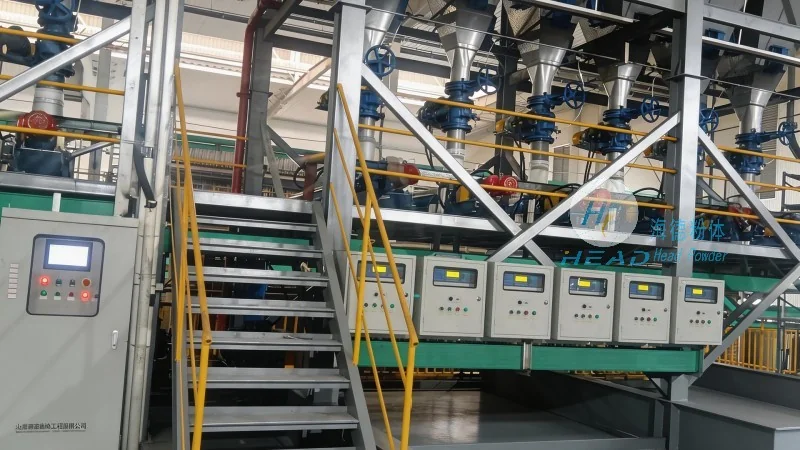
Understanding the Principle of Limestone Pneumatic Conveying
Limestone pneumatic conveying operates on the principle of transporting bulk materials through a pipeline using a gas stream, typically air or other gases. The process involves several key components and mechanisms that work in tandem to move limestone particles from the source to the destination. The core of the system is the air flow, which is generated by a blower or fan and creates a pressure differential within the pipeline. This differential allows the limestone particles to be entrained and carried along the pipeline. The system can be categorized into two main types: dilute phase and dense phase, each with distinct characteristics and applications.
Key Components of the Limestone Pneumatic Conveying System
The effectiveness of a limestone pneumatic conveying system depends on the integration of several critical components. These include the material feed system, which introduces limestone into the pipeline; the air supply unit, responsible for generating the necessary airflow; the conveying pipeline, which transports the material; and the discharge equipment, which delivers the limestone to the final destination. Additionally, control systems and monitoring devices are essential for maintaining optimal operation, ensuring consistent material flow, and preventing system failures. Each component plays a vital role in the overall performance and reliability of the conveying process.
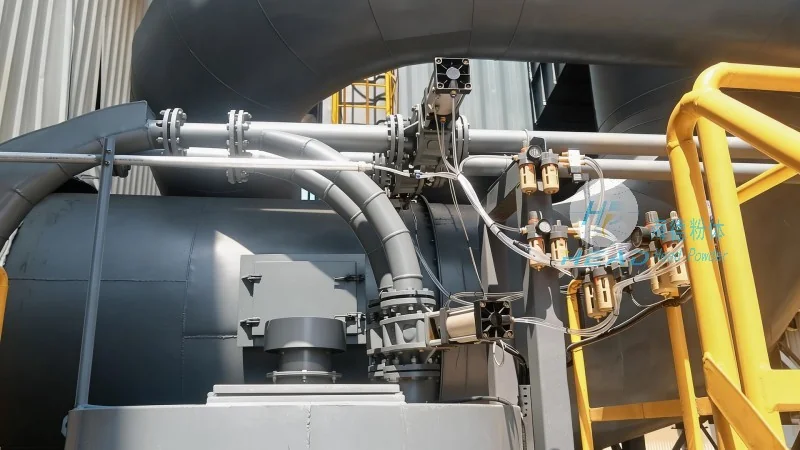
Working Scene Characteristics of Limestone Pneumatic Conveying
The operational environment of limestone pneumatic conveying systems varies based on the specific application and industry. For instance, in cement production plants, limestone is often transported from quarries to grinding mills, requiring long-distance and high-volume transport. The working scene in such settings is characterized by large-scale operations, continuous material flow, and the need for high efficiency to support production schedules. In contrast, in chemical processing facilities, limestone may be used as a raw material for various processes, and the conveying system may need to handle smaller quantities or more varied particle sizes. The working scene in these environments emphasizes precision, cleanliness, and the ability to integrate with existing production lines.
Advantages and Applications in Different Industries
Limestone pneumatic conveying offers numerous advantages that make it suitable for a wide range of industrial applications. One of the primary benefits is the ability to transport materials in a dust-free environment, which is crucial for maintaining workplace safety and compliance with environmental regulations. The system also provides flexibility in terms of layout, as pipelines can be installed in various configurations to accommodate complex plant layouts. Additionally, pneumatic conveying systems can handle a wide range of particle sizes and densities, making them versatile for different limestone types. Industries such as cement manufacturing, chemical processing, and mining have widely adopted this technology due to its efficiency and reliability. For example, in cement plants, limestone is a key raw material, and pneumatic conveying ensures a continuous supply to the kilns, reducing downtime and improving overall plant performance.
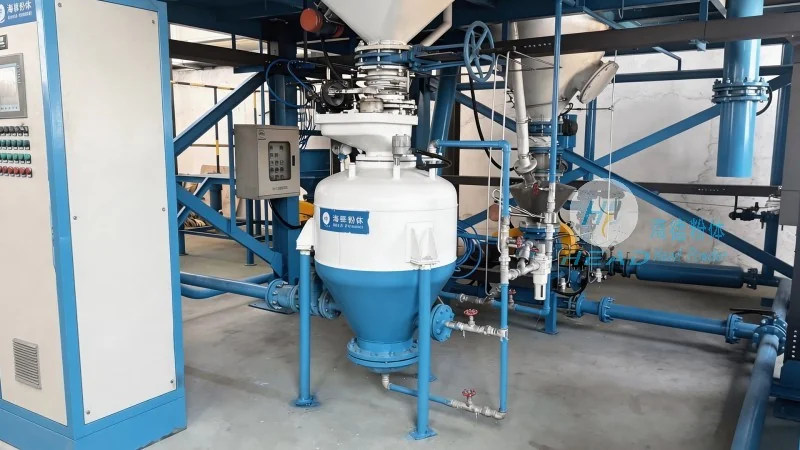
Operational Considerations and Best Practices
Successful operation of limestone pneumatic conveying systems requires careful consideration of several factors. Material properties, such as particle size, moisture content, and density, significantly impact the system's performance. Proper sizing of the blower and pipeline diameter is essential to ensure adequate airflow and prevent blockages. Regular maintenance of the system components, including the air filter, blower, and pipeline, is crucial to maintain efficiency and prevent wear and tear. Additionally, monitoring the system's performance parameters, such as pressure and flow rates, helps in early detection of potential issues and allows for timely adjustments. Best practices also include implementing proper dust control measures and ensuring compliance with safety standards to protect workers and the environment.
Conclusion
HeadPowder Engineering Co., Ltd., based in Shandong, China, is a trusted partner in providing advanced pneumatic conveying solutions for limestone transport. By understanding the principles and characteristics of limestone pneumatic conveying, industries can optimize their material handling processes, enhance productivity, and ensure safe and efficient operation. The company's expertise in designing and implementing customized systems ensures that clients receive solutions tailored to their specific needs, supporting their long-term operational goals. With a focus on innovation and quality, HeadPowder continues to lead in the development of efficient material handling technologies for the limestone industry.




