HeadPowder, a leading provider of industrial material handling solutions, specializes in advanced pneumatic conveying systems for various applications, including the efficient transport of magnesium silicate. This article explores the fundamental principles behind magnesium silicate pneumatic conveying and highlights the key working scene characteristics that make it an ideal choice for different industrial environments.
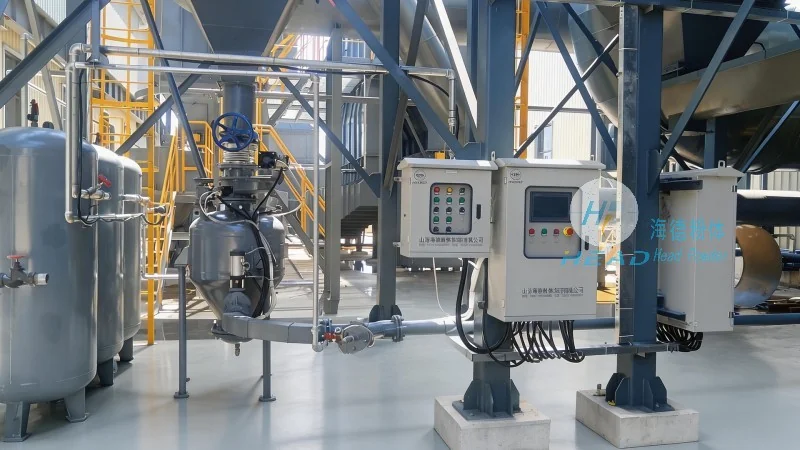
Understanding the Core Principle of Magnesium Silicate Pneumatic Conveying
Pneumatic conveying is a method of transporting bulk materials through a pipeline using a stream of pressurized air or gas. In the case of magnesium silicate, this process involves creating a flow of air that lifts and moves the fine powder particles through the system. The principle relies on the balance between the air velocity and the particle size, density, and moisture content of the magnesium silicate. By maintaining an appropriate air velocity, the system ensures that the particles remain suspended in the air stream, preventing clogging and ensuring smooth transport. The key components of a pneumatic conveying system for magnesium silicate typically include a hopper for material storage, a rotary valve for controlled discharge, a conveyor line with appropriate pipe diameter and length, and a receiver for material collection. The system may also incorporate features such as air filters, cyclones, and dust collection equipment to maintain air quality and comply with environmental regulations.
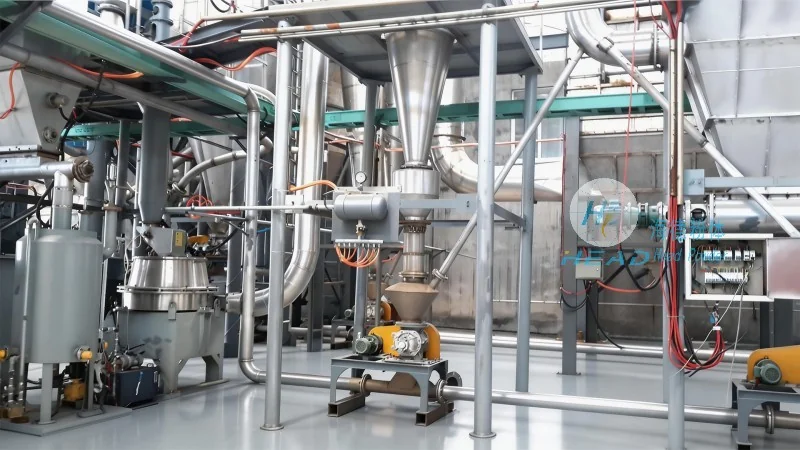
Key Working Scene Characteristics of Magnesium Silicate Pneumatic Conveying
The working scene characteristics of magnesium silicate pneumatic conveying are tailored to meet the specific demands of industrial applications. These characteristics include high efficiency in material transport, minimal product degradation, and reduced labor costs compared to traditional methods like belt conveyors or manual handling. The system is particularly suitable for environments where dust control is critical, as the enclosed pipeline design prevents dust from escaping into the workplace. Additionally, the flexibility of pneumatic conveying allows for horizontal, vertical, or inclined transport, making it adaptable to complex layouts and space constraints. The system's ability to handle fine powders without segregation or agglomeration is another significant advantage, ensuring consistent material quality throughout the conveying process. For industries dealing with magnesium silicate, such as construction materials, pharmaceuticals, or chemical manufacturing, the working scene characteristics of pneumatic conveying provide a reliable and efficient solution for material handling.
Applications and Industry Relevance
HeadPowder's expertise in magnesium silicate pneumatic conveying is evident in its ability to address the diverse needs of various industries. The company's systems are designed to handle the unique properties of magnesium silicate, including its fine particle size and potential for dust generation. By leveraging the core principles of pneumatic conveying, HeadPowder's solutions ensure that material transport is both efficient and safe. The working scene characteristics, such as low maintenance requirements and high throughput capacity, make the system cost-effective for long-term industrial use. As a result, companies in sectors like construction, where magnesium silicate is used in cement and other building materials, benefit from improved productivity and reduced operational costs. Similarly, in the pharmaceutical industry, where the purity and consistency of magnesium silicate are paramount, the enclosed and controlled environment of pneumatic conveying helps maintain product quality and compliance with regulatory standards. HeadPowder's commitment to quality and innovation ensures that its pneumatic conveying systems meet the evolving demands of the market, providing reliable solutions for magnesium silicate handling across different working scenes.
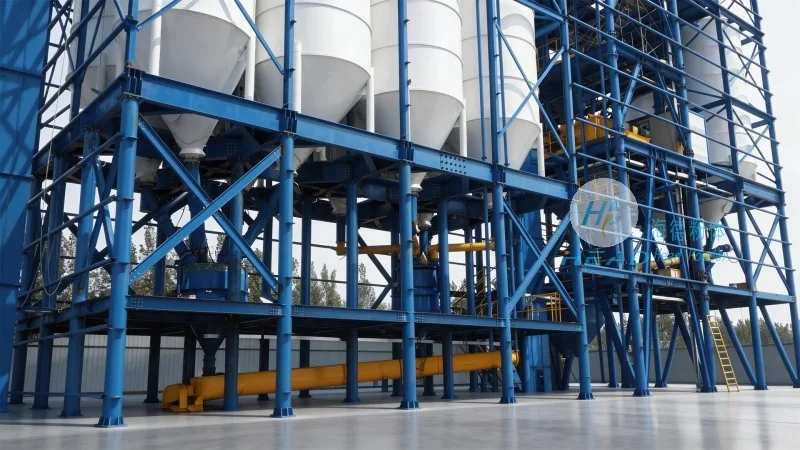
Conclusion and Company Overview
Magnesium silicate pneumatic conveying, as explained in this article, is a sophisticated and efficient method for transporting bulk materials. The core principle of using pressurized air to move fine powders, combined with the working scene characteristics that prioritize efficiency, safety, and adaptability, makes it a preferred choice for many industries. HeadPowder, with its headquarters in Shandong, China, has established itself as a trusted provider of such systems, leveraging years of experience and technical expertise to deliver solutions tailored to specific industrial needs. The company's focus on maintaining high standards in material handling ensures that clients can rely on consistent performance and minimal downtime. For businesses dealing with magnesium silicate, investing in a pneumatic conveying system from HeadPowder is a strategic decision that enhances operational efficiency and supports long-term growth.




