For industrial applications involving the transport of coke particles and powder materials, pneumatic conveying systems offer efficient and reliable solutions. This article delves into the working principle and key features of coke particle powder pneumatic conveying lines, highlighting how they enhance material handling processes in various industrial settings, as provided by Shandong HeadPowder Engineering Co., Ltd.
Introduction to Coke Particle Powder Pneumatic Conveying Lines
Pneumatic conveying systems are widely used in industries such as steel, chemicals, and food processing to transport bulk materials like coke particles and powders. These systems utilize air or gas to move materials through a pipeline, eliminating the need for mechanical components like belts or buckets. The efficiency and flexibility of pneumatic conveying make it an ideal choice for applications requiring high throughput, minimal maintenance, and the ability to handle abrasive or corrosive materials. Shandong HeadPowder Engineering Co., Ltd. specializes in designing and manufacturing such systems tailored to meet the specific needs of industrial clients.
Working Principle of Coke Particle Powder Pneumatic Conveying Lines
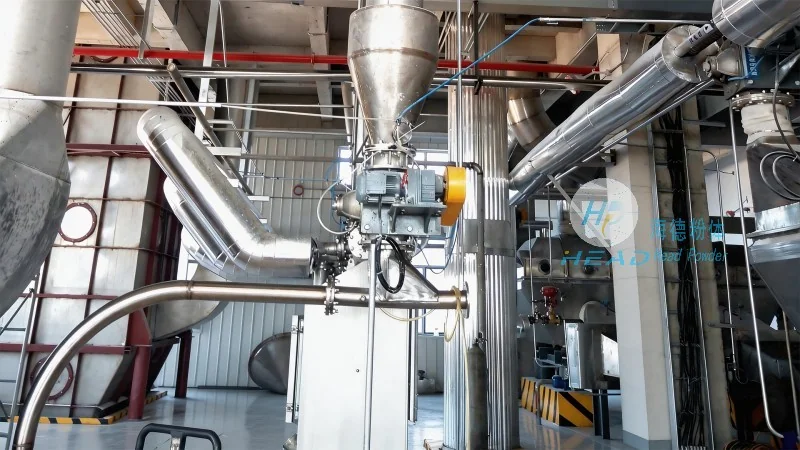
The core mechanism of coke particle powder pneumatic conveying lines involves the use of a compressor to generate airflow, which then propels the material through the pipeline. The process typically includes several key components: a material hopper, a feeder, a compressor, a pipeline system, and a receiver. The material is first loaded into the hopper, where it is fed into the pipeline by a feeder. The compressor then creates a pressure differential, drawing the material along with the air into the pipeline. As the material travels through the pipeline, it is carried by the airflow until it reaches the receiver, where it is collected.
There are two main types of pneumatic conveying systems based on the pressure used: positive pressure and negative pressure. Positive pressure systems operate by blowing air into the pipeline, pushing the material forward. Negative pressure systems, also known as vacuum systems, operate by creating a vacuum in the pipeline, pulling the material into the system. For coke particle powder applications, positive pressure systems are often preferred due to their ability to handle larger particle sizes and abrasive materials more effectively.
Key Features of Coke Particle Powder Pneumatic Conveying Lines
Several key features distinguish coke particle powder pneumatic conveying lines from other material handling systems. These features contribute to their effectiveness and suitability for industrial applications:
1. High Efficiency and Throughput
Coke particle powder pneumatic conveying lines are designed to achieve high material throughput with minimal downtime. The system's ability to transport materials at high speeds and volumes makes it ideal for applications requiring rapid material movement, such as in steel production or chemical processing plants. The use of air as the conveying medium allows for continuous operation, reducing the need for manual intervention and increasing overall productivity.
2. Minimal Maintenance Requirements
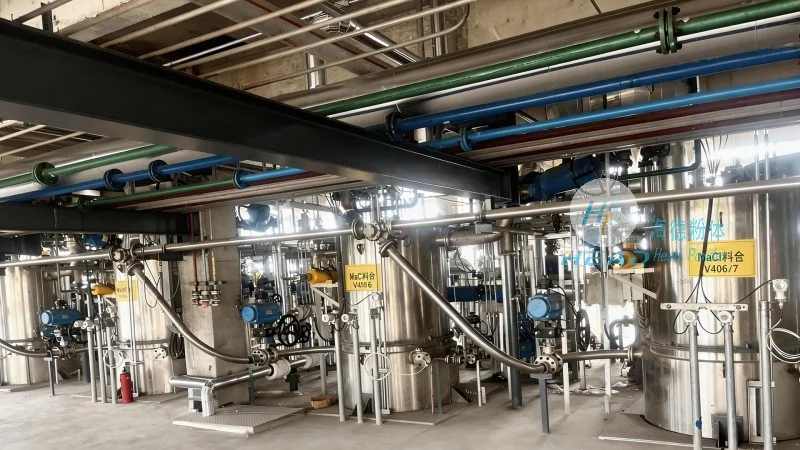
Compared to traditional mechanical conveying systems, pneumatic conveying lines require less maintenance. The absence of moving parts like belts, pulleys, or buckets reduces the risk of wear and tear, leading to lower maintenance costs and longer system lifespans. This is particularly beneficial for handling abrasive coke particles, which can cause significant wear on mechanical components.
3. Versatility in Material Handling
Pneumatic conveying systems are highly versatile and can handle a wide range of materials, including coke particles, powders, and granules. They are suitable for both dry and slightly moist materials, making them adaptable to various industrial processes. The system's ability to handle abrasive or corrosive materials without damage makes it a preferred choice for industries dealing with such substances.
4. Clean and Contamination-Free Operation
One of the significant advantages of pneumatic conveying is its ability to maintain a clean and contamination-free environment. The enclosed pipeline system prevents dust and particles from escaping into the surrounding environment, reducing the risk of contamination in the final product. This is particularly important in industries like food processing or pharmaceuticals, where product purity is critical.
5. Energy Efficiency
Modern pneumatic conveying systems are designed to be energy-efficient, reducing operational costs. The use of high-efficiency compressors and optimized pipeline designs minimizes energy consumption while maintaining high material throughput. This makes the system cost-effective in the long run, especially for large-scale industrial applications.
Applications and Industries
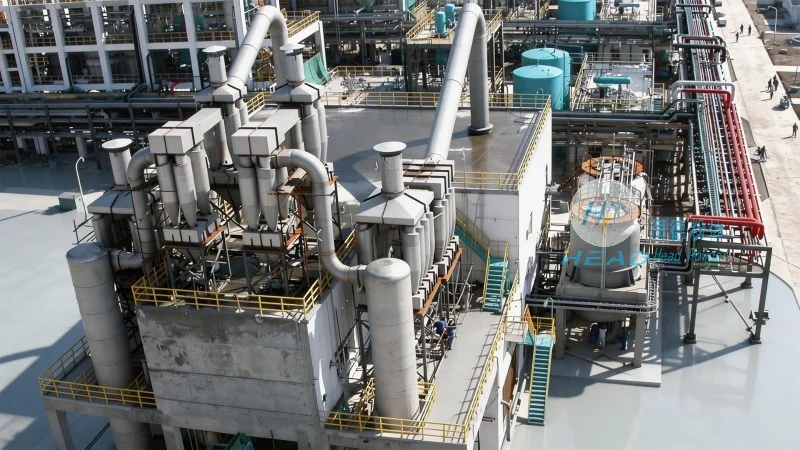
Coke particle powder pneumatic conveying lines are widely used in various industries, including:
1. Steel Manufacturing: In steel plants, these systems are used to transport coke from storage facilities to blast furnaces, ensuring a steady supply of raw materials for the production process.
2. Chemical Processing: Chemical plants use pneumatic conveying to transport powders and granules, such as catalysts and reagents, between processing units.
3. Food and Beverage: In food processing facilities, these systems are used to transport ingredients like flour, sugar, and spices, maintaining product purity and hygiene.
4. Mining and Minerals: Mining operations use pneumatic conveying to transport ore and minerals from processing plants to storage or shipping facilities.




