Pharmaceutical powder pneumatic conveying systems are critical in the pharmaceutical industry for the safe, efficient, and hygienic transfer of powders. These systems are designed to meet stringent regulatory requirements, ensuring product integrity and operational reliability. The following content provides an in-depth look at the working principle and key features of such systems, presented by Shandong HeadPowder Engineering Co., Ltd., a leading manufacturer in the field.
Working Principle of the Pharmaceutical Powder Pneumatic Conveying System
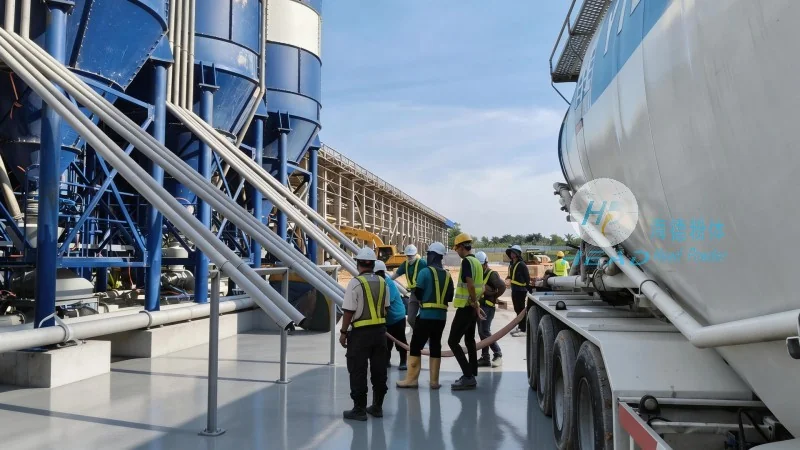
The core principle of pneumatic conveying is the use of compressed air or gas to transport bulk powders through a closed pipeline system. In pharmaceutical applications, this process is typically implemented using either suction (or negative pressure) or pressure (or positive pressure) methods. The suction method involves creating a vacuum at the receiving end to draw powders from a hopper or storage container into the pipeline. The pressure method, conversely, uses compressed air to push powders from a source to a destination. Both methods rely on the creation of a consistent airflow to maintain particle suspension and prevent clogging. The system operates by feeding the powder into the pipeline, where it is entrained by the air flow and transported to the desired location. At the discharge point, the air and powder are separated, with the powder collected in a receiving vessel and the air either filtered and released or recycled back into the system. This continuous process ensures a seamless and controlled transfer of pharmaceutical powders, minimizing exposure to contaminants and maintaining product purity.
Key Components and Their Functions
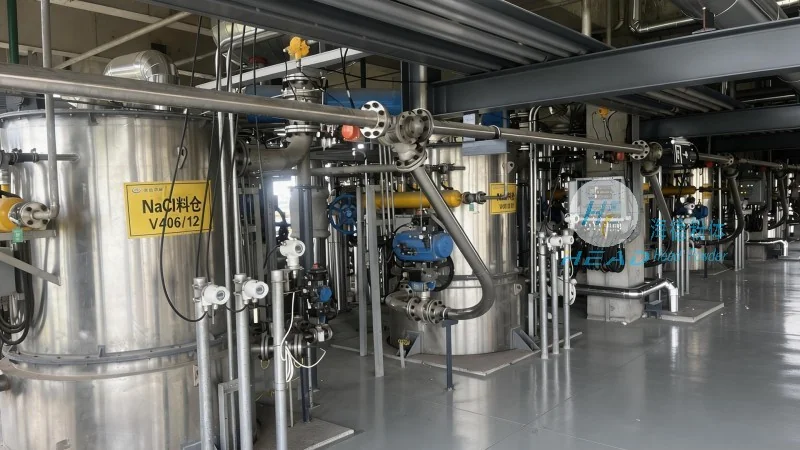
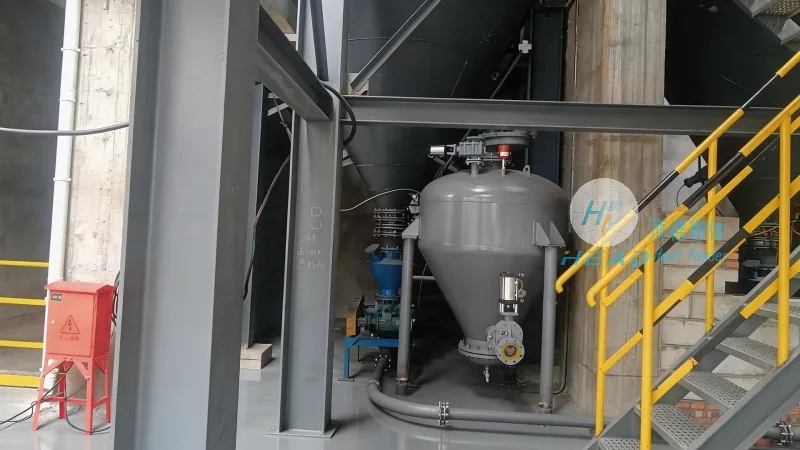
A pharmaceutical powder pneumatic conveying system comprises several essential components, each playing a vital role in the overall operation. The primary components include the powder feeder, which controls the flow rate of the powder into the system; the conveying line, which consists of stainless steel pipes designed for hygienic and corrosion resistance; the air compressor or vacuum pump, which provides the necessary pressure or vacuum; the separation and filtration system, which separates the powder from the air and removes any contaminants; and the control panel, which monitors and regulates the system's performance. The powder feeder is typically equipped with a rotary valve or a star feeder to ensure a consistent and controlled feed rate, preventing overloading or underfeeding. The conveying line is often equipped with bends, expansion joints, and check valves to accommodate changes in direction and pressure, ensuring smooth powder flow. The separation system, such as a cyclone or bag filter, effectively separates the powder from the air, with the powder collected in a clean container and the air either filtered and released or recycled. The control panel allows operators to adjust parameters such as air pressure, flow rate, and feed rate, ensuring optimal system performance and product quality.
Unique Features and Advantages
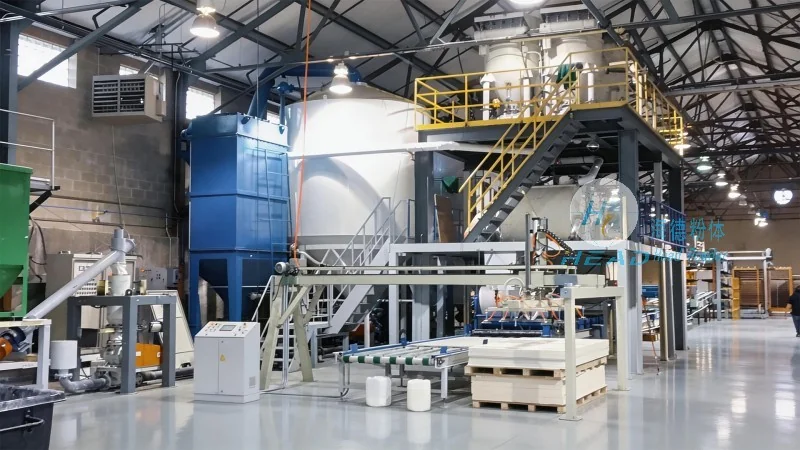
Pharmaceutical powder pneumatic conveying systems offer several unique features and advantages that make them ideal for the pharmaceutical industry. One of the most significant advantages is their ability to maintain a sterile and hygienic environment, which is crucial for pharmaceutical products. The systems are typically constructed from stainless steel and other food-grade materials, which are easy to clean and sanitize, reducing the risk of contamination. The enclosed pipeline design prevents exposure to dust and airborne particles, ensuring product purity and compliance with regulatory standards. Another key feature is the low product loss and minimal degradation, as the system minimizes contact with air and external factors. The systems also offer high flexibility, allowing for multiple transfer points and the integration with other processing equipment. Additionally, the pneumatic conveying systems provide precise control over the powder flow rate and pressure, ensuring consistent product quality and reducing waste. The ability to handle a wide range of powder types, from fine powders to bulk materials, makes these systems versatile and adaptable to various pharmaceutical applications. Furthermore, the systems are designed for easy maintenance and repair, with accessible components and standardized parts, reducing downtime and operational costs.
Company Profile and Professional Expertise
Shandong HeadPowder Engineering Co., Ltd., commonly known as headpowder, is a leading manufacturer of pharmaceutical powder processing equipment, including pneumatic conveying systems. The company is headquartered in Shandong, China, and has established itself as a trusted provider of high-quality, reliable, and efficient solutions for the pharmaceutical industry. With years of experience and expertise in powder technology, headpowder has developed advanced pneumatic conveying systems that meet the stringent requirements of pharmaceutical manufacturers. The company's products are designed with a focus on hygiene, safety, and performance, ensuring that they comply with global regulatory standards such as GMP (Good Manufacturing Practice). Headpowder's team of engineers and technicians is dedicated to providing customized solutions tailored to the specific needs of each client, ensuring optimal performance and long-term reliability. The company's commitment to innovation and quality has earned it a reputation as a leading supplier in the pharmaceutical equipment market, with a strong track record of customer satisfaction and successful project implementations. Headpowder's expertise in pneumatic conveying systems, combined with its commitment to excellence, makes it a preferred choice for pharmaceutical companies seeking reliable and efficient powder handling solutions.




