Chromium(III) oxide, also known as chromium sesquioxide, is a chemical compound with the formula Cr₂O₃. It is a green crystalline solid that is widely used in various industrial applications, including pigments, catalysts, and as a precursor for other chromium compounds. The efficient handling and transportation of this material, especially in bulk quantities, often relies on pneumatic conveying systems. This article explores the concept of chromium(III) oxide pneumatic conveying, delves into the classification of pneumatic conveying systems, and discusses its practical applications in industrial settings.
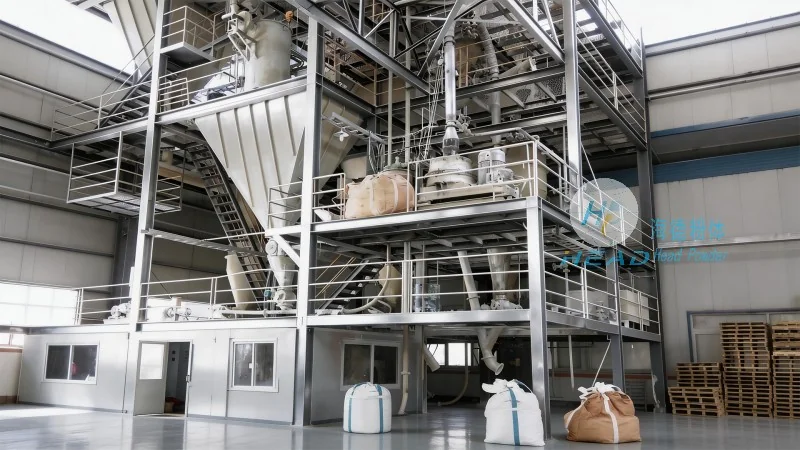
Introduction to Chromium(III) Oxide Pneumatic Conveying
Pneumatic conveying is a method of transporting bulk materials through a pipeline using a stream of air or other gas. In the case of chromium(III) oxide, this technology is employed to move the powder from storage silos or processing units to processing equipment, such as reactors or mixers. The process involves creating a pressure differential within the pipeline, which draws the material along with the air stream. This method offers several advantages over traditional mechanical conveying systems, including reduced equipment wear, lower maintenance costs, and the ability to handle materials that are difficult to transport by other means.
Classification of Pneumatic Conveying Systems
Pneumatic conveying systems can be broadly classified into two main categories: pressure and vacuum systems. Pressure systems operate by forcing air or gas into the pipeline under pressure, while vacuum systems create a negative pressure to draw material into the pipeline. Within these categories, there are further subtypes based on the flow characteristics and system design. For instance, pressure systems can be further divided into positive displacement and dilute phase systems, each with distinct operational parameters and suitability for different material types and conveying distances.
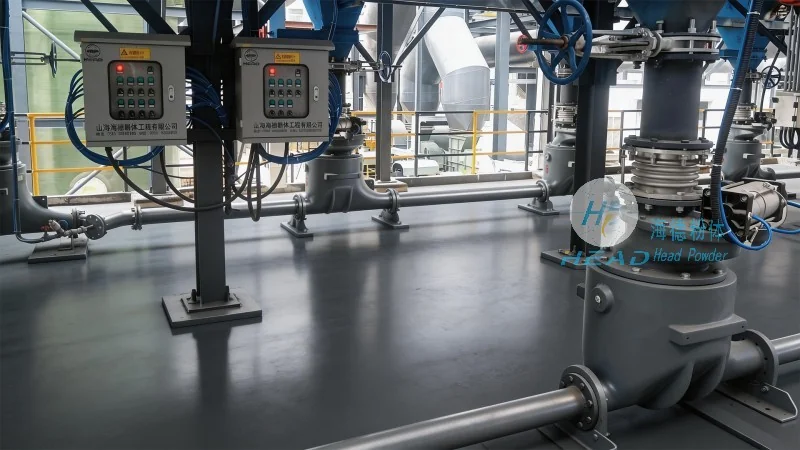
Applications of Pneumatic Conveying in Chromium(III) Oxide Handling
The application of pneumatic conveying in chromium(III) oxide handling is critical for maintaining product quality and operational efficiency. In industrial settings, this material is often used in the production of pigments, where precise control over the powder flow is essential to avoid agglomeration and ensure uniform coloration. Pneumatic conveying systems enable the material to be transported from storage to processing equipment without the need for manual handling, reducing the risk of contamination and improving overall process safety. Additionally, these systems are suitable for applications where the material needs to be mixed with other chemicals or additives, as the air stream can be controlled to achieve the desired mixing ratio.
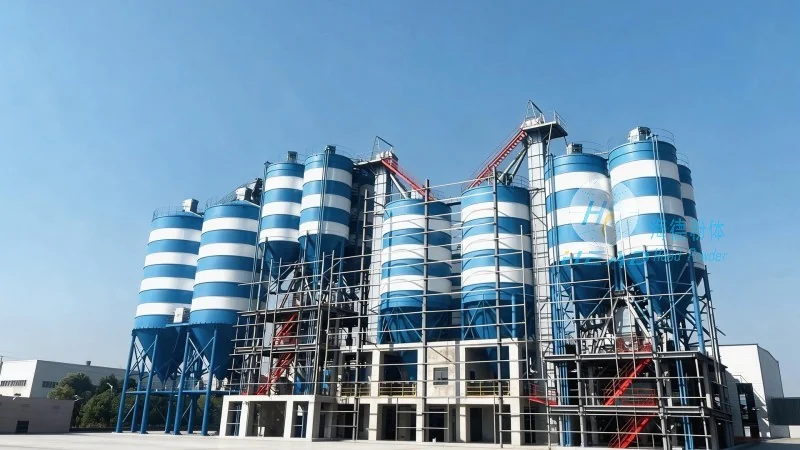
Key Considerations for Pneumatic Conveying of Chromium(III) Oxide
When implementing a pneumatic conveying system for chromium(III) oxide, several factors must be considered to ensure optimal performance and longevity of the equipment. The first consideration is the material's properties, such as its particle size distribution, density, and flowability. These characteristics affect the system's design, including the required air velocity and pressure differential. Additionally, the system must be designed to handle the potential for material buildup or blockages in the pipeline, which can be mitigated through proper pipeline sizing and the use of inline mixers or vibrators. Maintenance is also a critical aspect, as regular cleaning and inspection of the system components are necessary to prevent corrosion and ensure consistent performance.
Conclusion
In conclusion, pneumatic conveying is a vital technology for the efficient and safe handling of chromium(III) oxide in industrial applications. By understanding the classification of pneumatic conveying systems and their specific applications, industries can optimize their material transport processes. The use of such systems not only improves operational efficiency but also enhances product quality and safety. As a leading provider in this field, Shandong HeadPowder Engineering Co., Ltd. specializes in designing and implementing customized pneumatic conveying solutions tailored to the unique needs of chromium(III) oxide handling, ensuring reliable and cost-effective material transport for its clients.




