Plastic powder conveying machines are critical equipment in the plastic processing sector, engineered to transport plastic powders efficiently and reliably. These machines are integral to various manufacturing workflows, ensuring that plastic powders are moved from storage to processing units without degradation or loss. The design of these machines is tailored to address the unique properties of plastic powders, such as their fine particle size, flow characteristics, and susceptibility to static charge accumulation. By understanding the underlying design principles, users can better appreciate the functionality of these systems and select the appropriate equipment for their specific applications. This article, presented by Shandong HeadPowder Engineering Co., Ltd. (commonly known as headpowder), explores the key aspects of plastic powder conveying machines and their design principles.
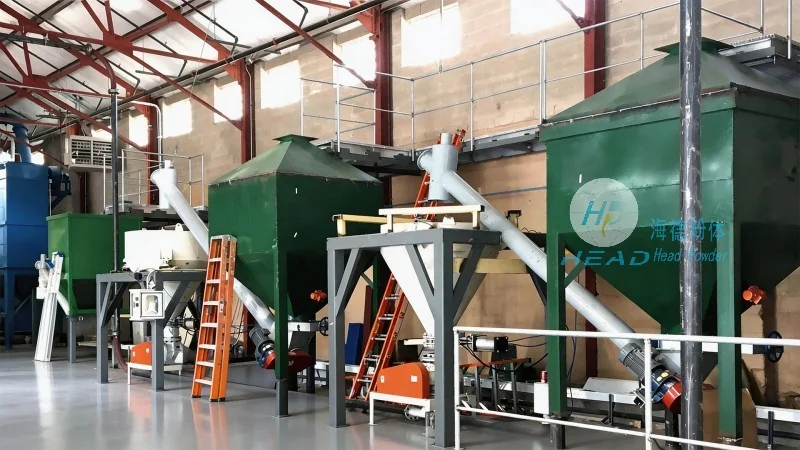
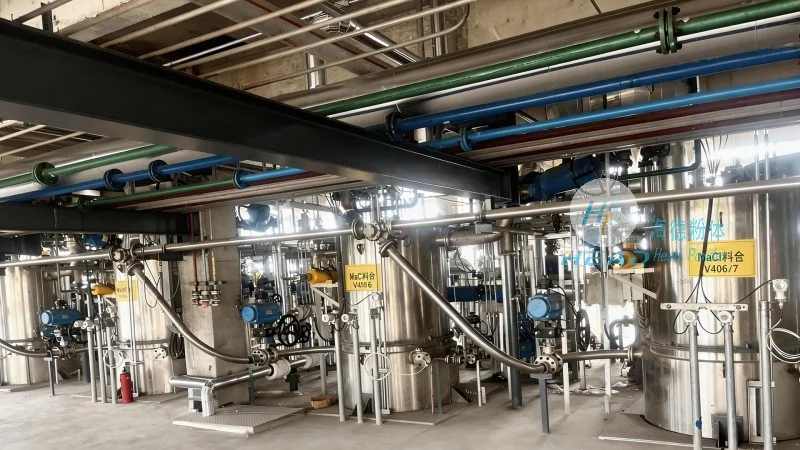
Key Design Principles Guiding Plastic Powder Conveying Systems
The design of plastic powder conveying machines is informed by several fundamental principles aimed at optimizing performance and ensuring material integrity. A primary principle is the prevention of material degradation, which can result from friction, heat exposure, or air contact. To mitigate this, the system incorporates components like smooth, non-stick surfaces (often made of stainless steel or PTFE) and temperature-controlled sections to maintain the powder's quality. Another critical principle is the management of static electricity, as plastic powders are prone to generating static charges that can cause material buildup or even fire hazards. Consequently, many designs include grounding mechanisms (such as conductive coatings or metal grounding straps) or anti-static additives to reduce these risks. Additionally, the design emphasizes minimizing product contamination, a critical factor in industries where purity is paramount. This is achieved through the use of cleanable materials (e.g., stainless steel, food-grade plastics), sealed systems to prevent dust ingress, and rigorous maintenance protocols (including regular cleaning and inspection). The overall design also prioritizes flexibility and adaptability, allowing the machine to handle different types of plastic powders (e.g., polyethylene, polypropylene, polystyrene) and varying production volumes (from small batches to continuous flow).
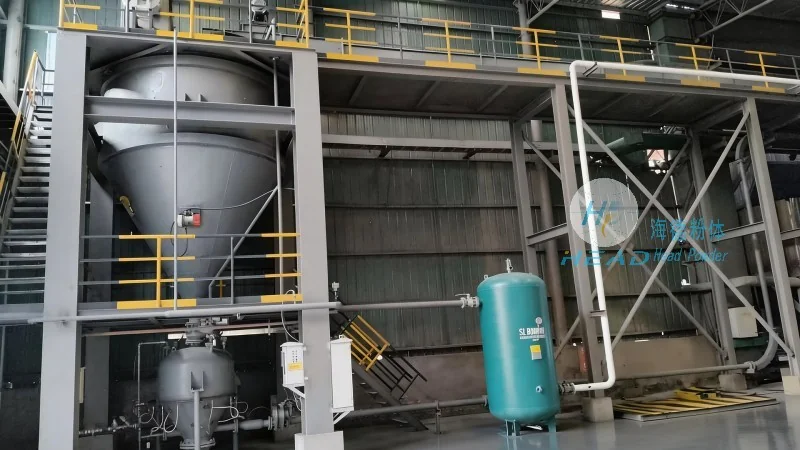
Core Components and Functional Aspects of Plastic Powder Conveying Machines
Plastic powder conveying machines typically consist of several key components that collaborate to achieve efficient material transport. The primary components include a hopper for material storage, a conveyor system (such as screw conveyors, pneumatic conveyors, or vacuum pumps), and control mechanisms for regulating flow and speed. The hopper is designed to hold a sufficient quantity of plastic powder, often equipped with a discharge valve to control the rate of material release. The conveyor system is the core of the machine, responsible for moving the powder from the hopper to the processing unit. Screw conveyors, for instance, utilize a rotating screw to push the powder forward, while pneumatic conveyors employ air pressure to transport the material through a pipeline. Control systems, including sensors and valves, monitor and adjust the flow rate, ensuring smooth operation and preventing system overload. These components are engineered to handle the specific characteristics of plastic powders, such as their low bulk density and tendency to clog or agglomerate. Regular maintenance and cleaning are essential to prevent blockages and maintain the efficiency of the conveying system.
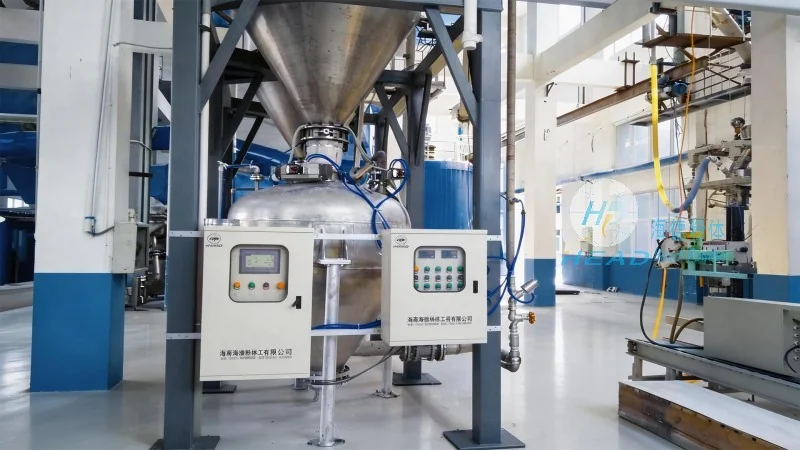
Applications and Benefits of Plastic Powder Conveying Machines
Plastic powder conveying machines are widely utilized across industries, including plastics manufacturing, pharmaceuticals, and food processing. In the plastics industry, these machines are vital for transporting raw materials like polyethylene, polypropylene, and polystyrene from storage to extrusion or molding machines. The ability to handle large volumes of plastic powder efficiently reduces production downtime and enhances overall productivity. In pharmaceutical applications, the conveying system must meet stringent purity standards, ensuring that the powder is transferred without contamination. This is achieved through the use of stainless steel components and sealed systems, which are standard in pharmaceutical-grade conveying equipment. The benefits of using plastic powder conveying machines extend beyond efficiency and safety. By automating the material transport process, these machines reduce the risk of human error and improve workplace safety. Additionally, they help maintain consistent material quality, which is crucial for producing high-quality products. The design principles and components of these machines are continuously evolving, driven by technological advancements that lead to more efficient and reliable systems.




