Low-pressure powder handling systems are essential in various industrial applications, particularly in sectors that require the efficient and safe transportation of bulk powders. These systems are designed to manage the movement of powders through pipelines or other conduits under low pressure, ensuring minimal product degradation and operational safety. The core of such systems lies in their ability to handle materials like chemicals, food ingredients, pharmaceuticals, and other fine powders without causing caking, segregation, or contamination.
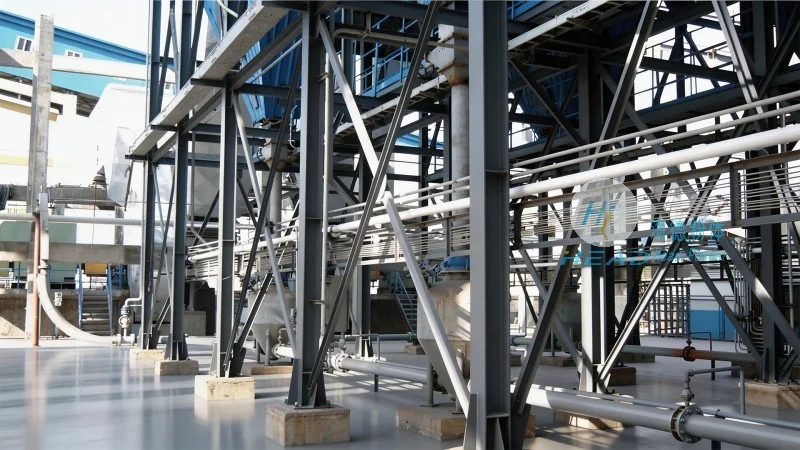
Key Components of Low-Pressure Powder Handling Systems
At the heart of a low-pressure powder handling system are several critical components that work in tandem to ensure smooth operation. The system typically includes a hopper or feeder to store and feed the powder, a conveyor or pump mechanism to transport the material, and a control system to regulate the flow. The hopper is often equipped with a discharge valve or feeder to maintain consistent material flow, preventing blockages and ensuring uniform feeding. The conveyor or pump may be a rotary valve, a screw conveyor, or a pneumatic system, depending on the specific requirements of the application. The control system integrates sensors and actuators to monitor and adjust the flow rate, pressure, and other parameters in real-time, enhancing the system's reliability and efficiency.
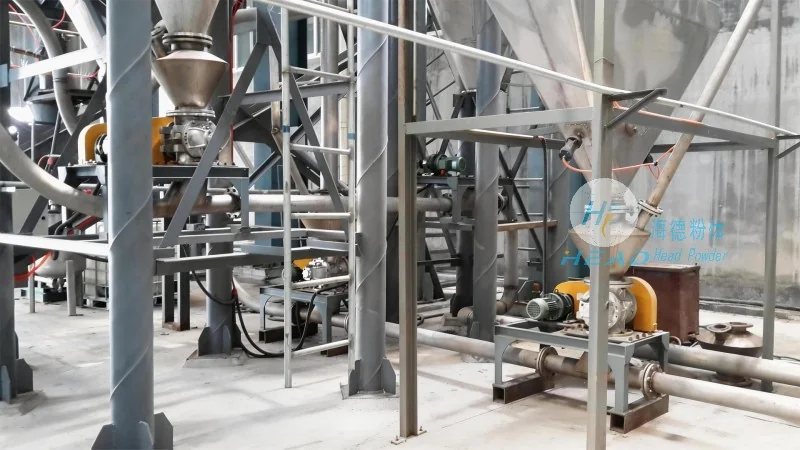
Design Principles for Low-Pressure Powder Handling Systems
The design of low-pressure powder handling systems is guided by several fundamental principles aimed at optimizing performance, safety, and cost-effectiveness. One of the primary principles is the minimization of pressure differentials within the system to prevent material degradation. By operating at low pressure, the system reduces the risk of particle attrition, caking, or agglomeration, which can compromise product quality. Another key principle is the prevention of material segregation, where different particle sizes or densities are separated during transport. This is achieved through the use of appropriate hopper designs, such as conical or wedge-shaped hoppers, and by maintaining a consistent flow rate. Additionally, the design incorporates features to prevent dust generation and ensure environmental compliance, including dust collection systems and sealed enclosures. The system's layout is also optimized to minimize the number of bends and changes in direction, as these can cause pressure drops and material buildup. Finally, the design considers the material's properties, such as its flowability, angle of repose, and compressibility, to select the most suitable equipment and operating parameters.
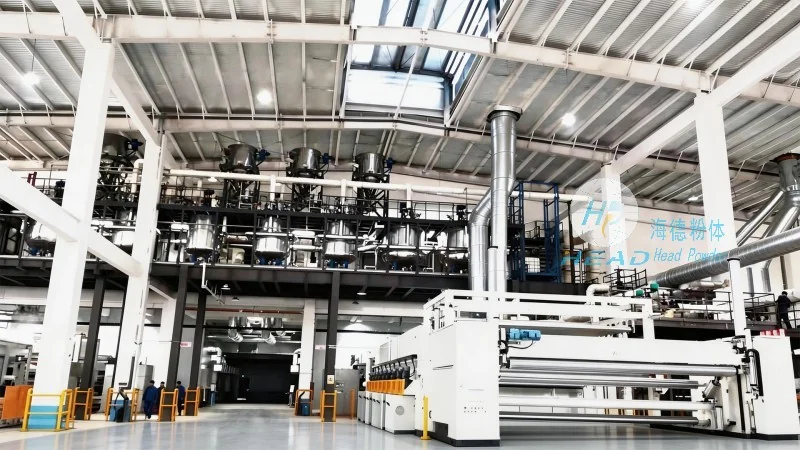
Applications and Benefits of Low-Pressure Powder Handling Systems
Low-pressure powder handling systems find extensive applications across multiple industries. In the chemical industry, they are used to transport raw materials and finished products, ensuring a continuous supply chain. In the food and pharmaceutical sectors, these systems are critical for handling sensitive powders, as they maintain product integrity and prevent contamination. The benefits of using low-pressure systems include improved product quality, reduced downtime due to maintenance, and enhanced safety for operators. By minimizing pressure differentials, the systems extend the lifespan of equipment and reduce the need for frequent repairs. Additionally, the controlled flow rates and consistent operation lead to better process control, which is essential for meeting regulatory standards and ensuring product consistency.
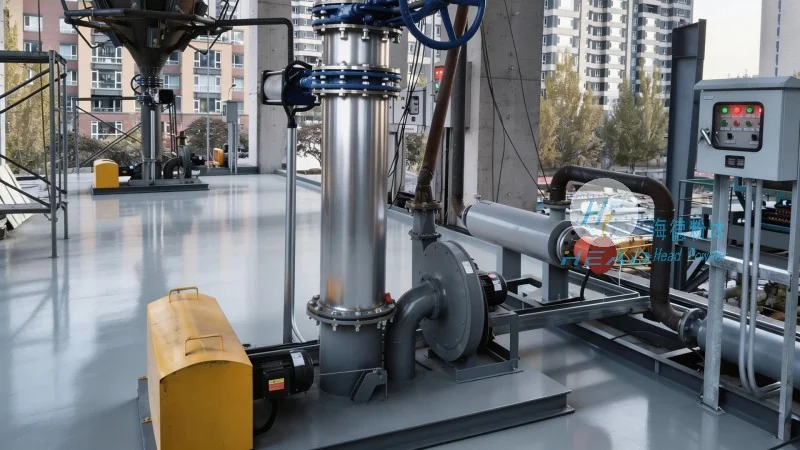
Conclusion and Company Overview
Low-pressure powder handling systems represent a sophisticated solution for the efficient and safe transportation of bulk powders. Their design principles, centered on minimizing pressure differentials, preventing segregation, and ensuring environmental compliance, make them a preferred choice in various industrial applications. As a leading provider in the field, Shandong HeadPowder Engineering Co., Ltd. specializes in the design, manufacturing, and integration of these systems, leveraging years of expertise to deliver customized solutions tailored to specific industry needs. With a focus on quality and reliability, HeadPowder ensures that their systems meet the highest standards, providing clients with durable, efficient, and safe powder handling solutions. Based in Shandong, China, the company continues to innovate and advance the technology behind low-pressure powder handling systems, supporting industries worldwide in their pursuit of operational excellence.




