HeadPowder, a leading provider in the field of powder handling technology, specializes in solutions for rice powder conveying. This article delves into the working principle and key characteristics of rice powder conveying systems, offering insights into how these systems operate and their advantages in industrial applications.
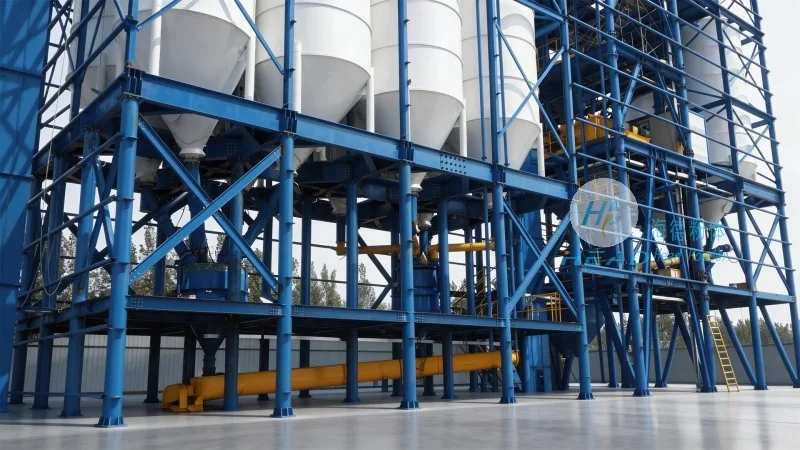
Company Introduction: Shandong HeadPowder Engineering Co., Ltd.
HeadPowder, with its headquarters in Shandong, China, is dedicated to developing advanced powder conveying technologies. The company focuses on creating efficient, reliable systems tailored to the unique properties of rice powder, ensuring optimal performance in various industrial processes.
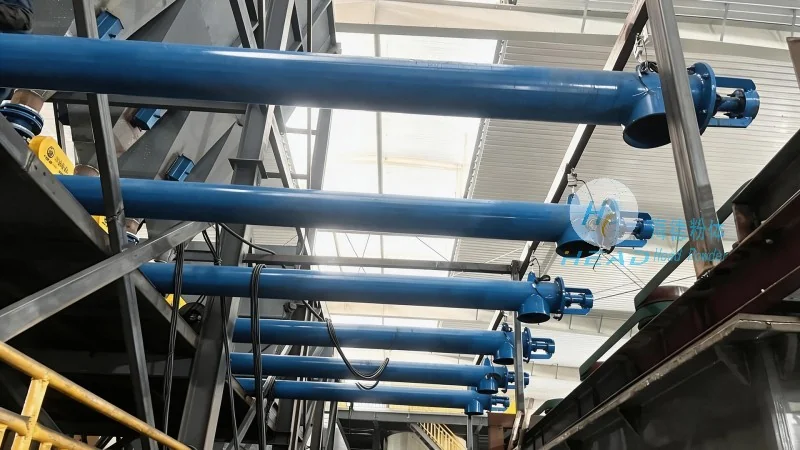
Working Principle of Rice Powder Conveying
Rice powder conveying systems typically operate based on pneumatic or mechanical principles, depending on the specific requirements of the application. The most common method involves the use of air pressure to transport the fine powder particles. In this process, a fan or blower generates a flow of air that draws the rice powder from a storage hopper or silo into a conveying line. The air flow carries the powder through the system, often using a series of pipes or ducts, until it reaches the destination, such as a processing unit or storage container. The system may also incorporate components like cyclones or filters to separate the powder from the air stream, ensuring that the powder is delivered without contamination and with minimal loss.
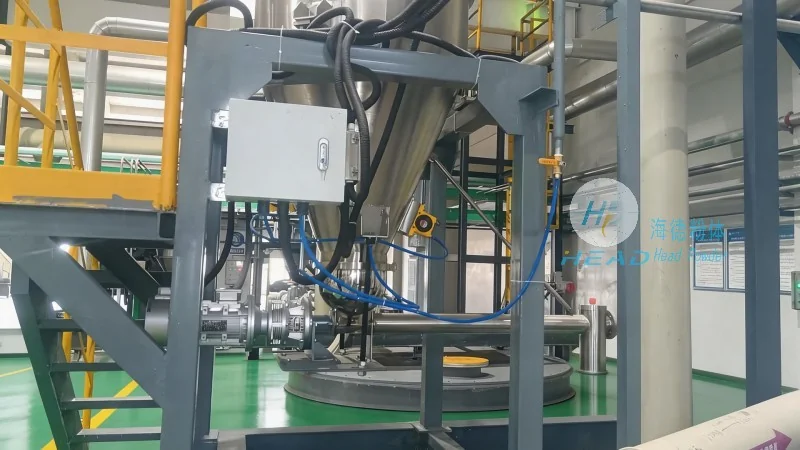
Key Characteristics of Rice Powder Conveying Systems
Several distinct characteristics define effective rice powder conveying systems, making them suitable for a wide range of industrial settings. Firstly, these systems are designed to handle the hygroscopic nature of rice powder, which can lead to clumping or moisture absorption. Advanced designs incorporate features like temperature control and moisture management to maintain the powder's quality during transport. Secondly, the systems are built to minimize product degradation, ensuring that the nutritional and quality attributes of the rice powder are preserved throughout the conveying process. This is achieved through gentle handling and controlled air velocities. Thirdly, the systems offer high efficiency and low maintenance requirements. Modern rice powder conveying equipment is engineered for durability and ease of operation, reducing downtime and operational costs for users. Additionally, the systems are often customizable to accommodate different particle sizes and flow rates, providing flexibility for various production scales.
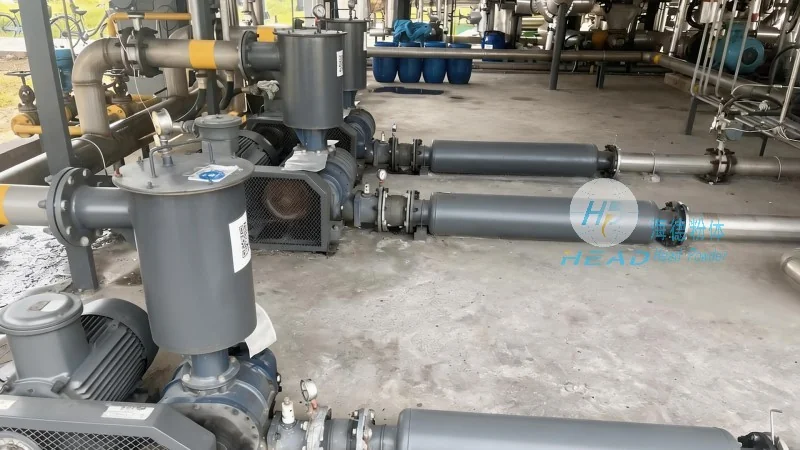
Advantages in Industrial Applications
The implementation of rice powder conveying systems brings significant benefits to industries involved in rice processing, food manufacturing, and related sectors. By streamlining the movement of rice powder from storage to processing units, these systems enhance production efficiency and reduce labor costs associated with manual handling. The ability to maintain product quality and prevent contamination also contributes to higher product yields and better overall quality control. Furthermore, the systems contribute to a safer working environment by eliminating the need for manual handling of powders, which can pose health and safety risks. Overall, rice powder conveying systems represent a critical component in modern industrial operations, enabling businesses to operate more efficiently and sustainably.




