Denitrification fly ash, a byproduct of flue gas desulfurization and nitrogen oxide reduction processes in power plants, poses significant challenges for handling and disposal. Traditional methods often involve complex and costly systems, making the adoption of efficient and reliable powder handling solutions crucial for modern industrial operations. This article explores the concept of denitrification fly ash pneumatic conveying, a technology that revolutionizes the way this critical material is transported, and introduces the fundamental working principles of powder handling systems designed for such applications.
Understanding Denitrification Fly Ash and Its Handling Challenges
Denitrification fly ash, also known as FGD (Flue Gas Desulfurization) and SNCR/SCR (Selective Non-Catalytic Reduction/Selective Catalytic Reduction) byproducts, is generated during the treatment of flue gases to reduce nitrogen oxides and sulfur dioxide emissions. These fine particulate materials are typically dry, dusty, and require specialized handling due to their chemical properties and potential environmental impact. Conventional handling methods, such as belt conveyors or bucket elevators, may suffer from material buildup, clogging, and increased maintenance costs, especially when dealing with abrasive or corrosive ash compositions. The need for a more efficient, flexible, and low-maintenance solution has driven the development of pneumatic conveying systems tailored for denitrification fly ash.
Pneumatic Conveying: A Revolutionary Approach to Powder Transport
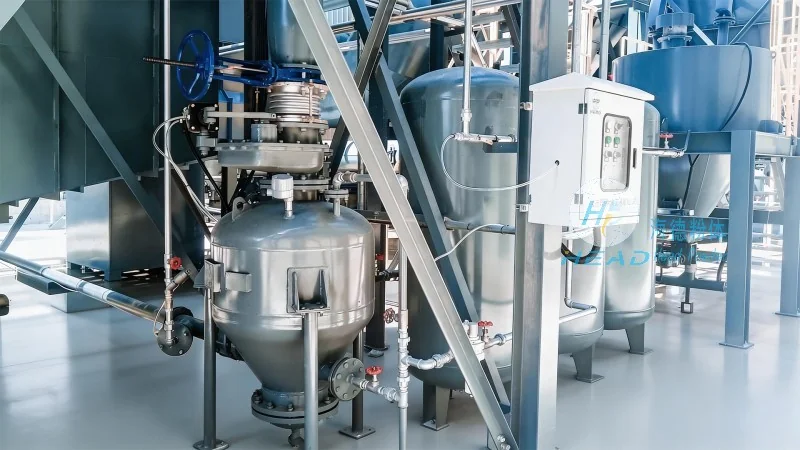
Pneumatic conveying is a technology that uses compressed air or other gases to transport bulk powders through a pipeline system. Unlike mechanical conveyors, which rely on physical contact and moving parts, pneumatic systems offer several advantages for handling denitrification fly ash. These include reduced risk of material contamination, lower energy consumption compared to some mechanical systems, and the ability to transport materials over long distances with minimal loss. The core components of a pneumatic conveying system include a material feed hopper, a conveying line, a pressure vessel or receiver, and a control system. The system operates by introducing the fly ash into the conveying line under pressure, where it is propelled by the flow of air or gas to the destination point, such as a storage silo or disposal site.
The Working Principle of Pneumatic Conveying Systems for Denitrification Fly Ash
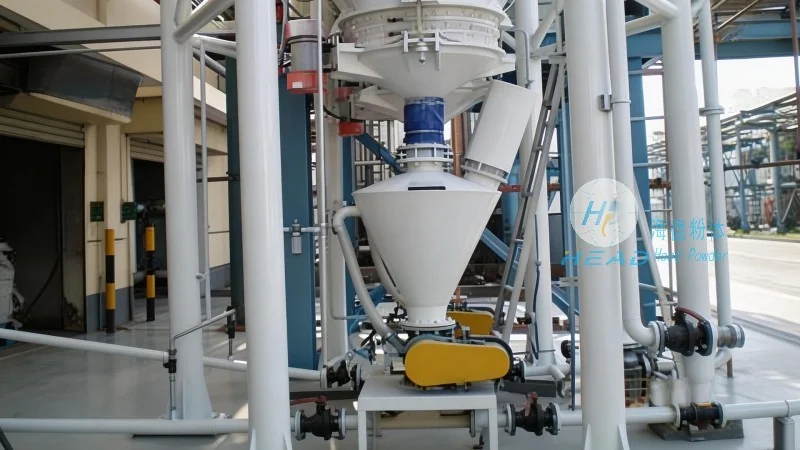
The operation of a pneumatic conveying system for denitrification fly ash involves several key steps. First, the fly ash is fed from a storage silo or hopper into a feed device, such as a rotary valve or a star feeder, which controls the flow rate and prevents blockages. The material is then introduced into a conveying line, where it is mixed with compressed air or gas. The air-fuel ratio is carefully controlled to ensure efficient transport without excessive pressure drop or material degradation. The conveying line may include components like bends, elbows, or expansion joints to accommodate changes in direction or elevation. At the receiving end, the system typically features a pressure vessel or receiver that separates the fly ash from the air stream, allowing the material to be discharged into a storage container or directly to a disposal facility. The air is then filtered and discharged, ensuring compliance with environmental regulations.
Key Advantages of Pneumatic Conveying for Denitrification Fly Ash
Implementing pneumatic conveying systems for denitrification fly ash offers numerous benefits for industrial facilities. These systems provide a dust-free and enclosed transport process, minimizing the risk of airborne emissions and improving workplace safety. The flexibility of pneumatic systems allows for easy integration with existing infrastructure, enabling the transport of materials over varying distances and to multiple destinations. Additionally, the low maintenance requirements and reduced downtime compared to mechanical conveyors result in lower operational costs over the system's lifecycle. The ability to handle abrasive or corrosive ash compositions without significant wear and tear on components further enhances the system's reliability and longevity. Such advanced solutions, developed by companies like Shandong HeadPowder Engineering Co., Ltd., are increasingly vital for modern industrial operations.
Applications and Industries Benefiting from Pneumatic Conveying
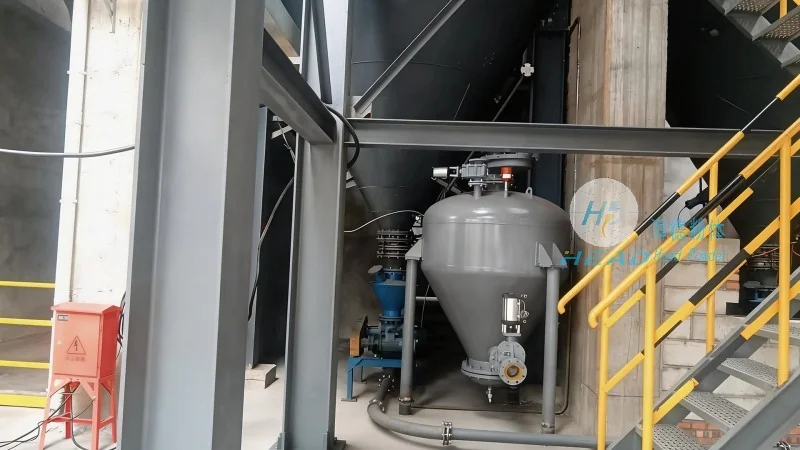
Pneumatic conveying systems for denitrification fly ash are widely used across various industries, particularly in power generation, cement manufacturing, and waste management. In power plants, these systems are essential for transporting fly ash from the desulfurization and denitrification units to storage silos or disposal sites, ensuring efficient plant operation and compliance with environmental regulations. In cement plants, the technology is used to handle fly ash as a supplementary cementitious material, improving the quality and performance of concrete products. Waste management facilities also benefit from pneumatic conveying for the transport of ash from incineration processes, facilitating proper disposal and recycling efforts.
Conclusion: The Role of Pneumatic Conveying in Modern Industrial Handling
Denitrification fly ash pneumatic conveying represents a sophisticated and efficient solution for the challenges associated with handling fine particulate materials in industrial settings. By leveraging the principles of pneumatic transport, these systems offer a reliable, flexible, and low-maintenance approach to moving denitrification fly ash, contributing to improved operational efficiency and environmental compliance. As industries continue to prioritize sustainable and cost-effective solutions, the adoption of advanced powder handling technologies like pneumatic conveying will remain critical for addressing the evolving needs of modern power generation and manufacturing processes.




