When selecting a conveying system for food additives, the choice between positive pressure and negative pressure is a critical decision that impacts efficiency, safety, and operational costs. Both methods have distinct characteristics and are suited to different scenarios, making it essential to understand the differences to make an informed choice.
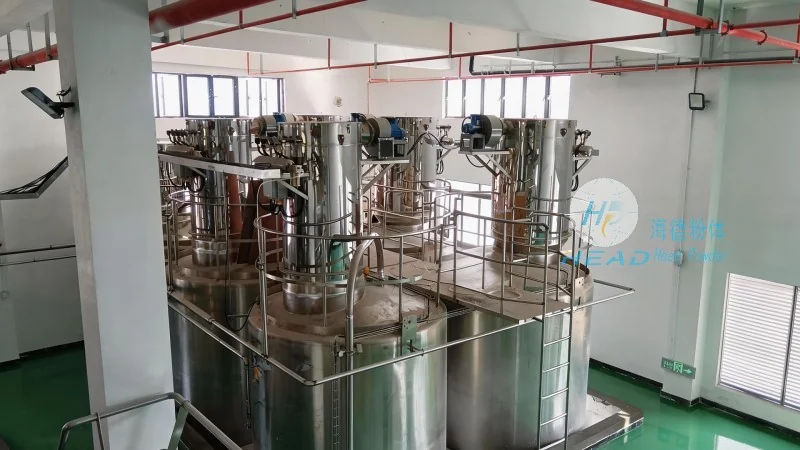
Understanding Positive Pressure Conveying
Positive pressure conveying systems operate by pushing material through a pipeline using a positive pressure source, such as a blower or a positive displacement pump. This method is particularly effective for conveying dry powders and granules that are prone to caking or agglomeration. The positive pressure ensures that the material is continuously moved forward, preventing blockages and maintaining a consistent flow rate. In the context of food additives, this approach is ideal for products like colorants, flavor enhancers, and preservatives that require gentle handling to preserve their quality and integrity.
Key Features of Positive Pressure Systems
Positive pressure conveying systems typically include components like rotary air locks, cyclone separators, and dust collectors. These components work together to ensure that the material is conveyed efficiently while maintaining a clean and safe environment. The positive pressure also helps in preventing contamination from external sources, which is crucial in food processing applications where hygiene standards are paramount. Additionally, these systems can handle a wide range of particle sizes and moisture contents, making them versatile for various food additive types.
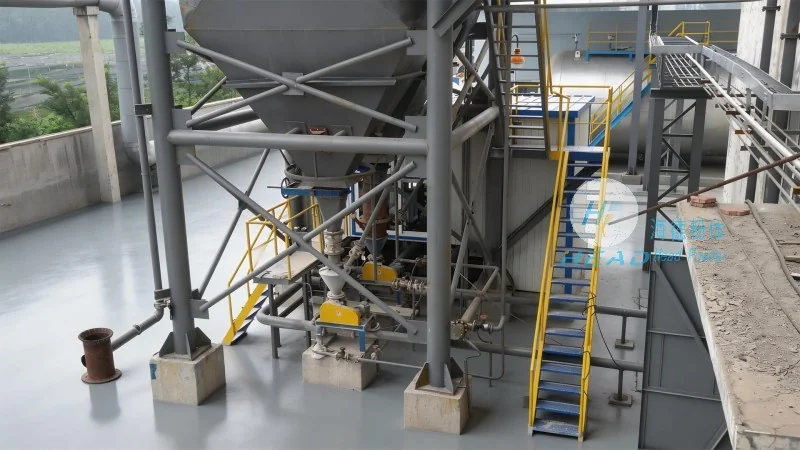
Advantages and Considerations
One of the primary advantages of positive pressure conveying is its ability to handle difficult-to-convey materials, such as those with high moisture content or those that tend to stick to pipelines. The positive pressure ensures that the material is always in motion, reducing the risk of clogging and downtime. However, these systems may require more maintenance due to the continuous operation of the blower or pump, and they can be more energy-intensive compared to negative pressure systems. Furthermore, the positive pressure can sometimes lead to higher material degradation if not properly controlled, especially for heat-sensitive food additives.
Understanding Negative Pressure Conveying
Negative pressure conveying, also known as vacuum conveying, operates by creating a vacuum in the pipeline to draw material from a hopper or storage bin into the system. This method is commonly used for conveying fine powders and dusts that are light and can be easily entrained by the vacuum. Negative pressure systems are often preferred for applications where the material needs to be transported over longer distances or where the source is elevated above the destination. In the food additive industry, negative pressure is suitable for products like fine color powders, fine flavor powders, and some types of preservatives that are easily handled by suction.
Key Components of Negative Pressure Systems
Negative pressure conveying systems typically consist of a vacuum pump, a filter, and a material feed hopper. The vacuum pump creates the necessary suction to draw the material into the pipeline, while the filter ensures that the material is separated from the air and any contaminants. The material feed hopper is designed to control the flow rate and prevent overloading the system. These components work in tandem to provide a reliable and efficient conveying process. The negative pressure also helps in reducing dust emissions, which is beneficial for maintaining a clean working environment in food processing facilities.
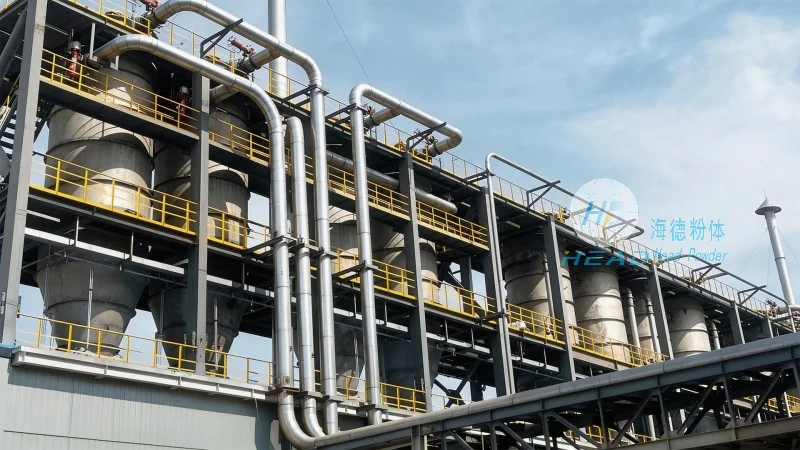
Advantages and Limitations
One of the main advantages of negative pressure conveying is its ability to handle fine powders and dusts with minimal degradation. The suction process is gentle and does not subject the material to high pressures or temperatures, which is ideal for heat-sensitive food additives. Additionally, negative pressure systems can be more energy-efficient for short-distance conveying, as the vacuum pump operates at lower pressures compared to the high pressures required for positive pressure systems. However, these systems may have limitations when handling bulkier or more cohesive materials, as the vacuum may not be strong enough to move them effectively. Furthermore, the negative pressure can sometimes lead to higher maintenance costs due to the need for regular filter cleaning and pump maintenance.
Distinguishing Between the Two Methods
When deciding between positive and negative pressure conveying for food additives, several factors should be considered. The first is the physical properties of the material, such as particle size, moisture content, and cohesive tendency. For materials that are prone to caking or have high moisture content, positive pressure is often the better choice due to its ability to maintain flow and prevent blockages. Conversely, for fine powders and dusts that are light and easily entrained, negative pressure is more suitable. The second factor is the distance and elevation between the source and destination. If the material needs to be transported over long distances or from a higher elevation to a lower one, negative pressure may be more effective. The third factor is the operational requirements, such as the need for gentle handling or the desire to minimize dust emissions. Positive pressure systems are better for minimizing dust emissions and handling cohesive materials, while negative pressure systems are better for gentle handling and energy efficiency.




