

Working Principle and Features of Bulk Bag Pneumatic Conveying Equipment
Bulk bag pneumatic conveying equipment is a specialized system designed for the efficient and safe handling of bulk materials from bulk bags. This technology is widely used in various industries, including chemical, food, pharmaceutical, and construction, where large quantities of powders or granules need to be transferred from storage containers to processing equipment. The system combines the advantages of bulk bag handling with pneumatic conveying, offering a flexible and cost-effective solution for material transport. In this article, we will explore the working principle and key features of bulk bag pneumatic conveyors, providing a comprehensive understanding of how they operate and their benefits in industrial applications.
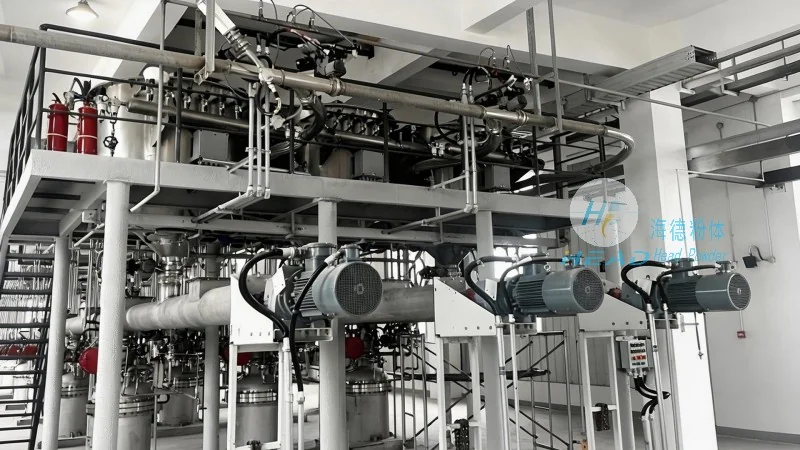
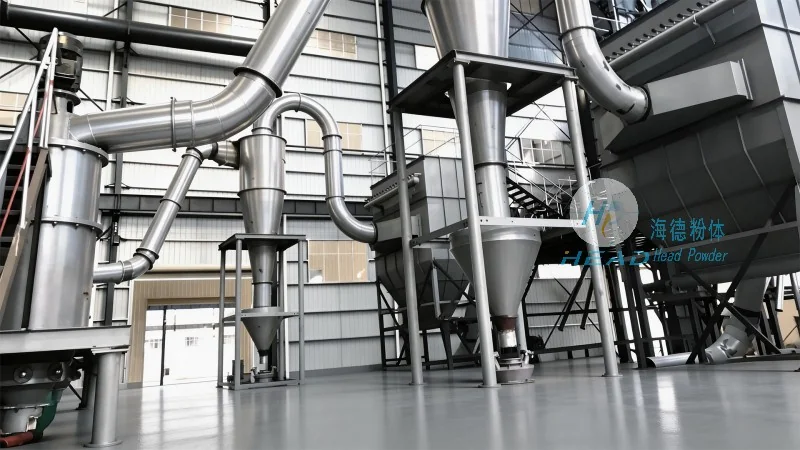
Company Overview: Shandong HeadPowder Engineering Co., Ltd.
HeadPowder, a leading manufacturer in the field of material handling equipment, specializes in the design, production, and supply of advanced pneumatic conveying systems. With a strong commitment to quality and innovation, the company has established itself as a trusted partner for businesses seeking reliable solutions for bulk material transport. HeadPowder's products are engineered to meet the highest standards of performance and durability, ensuring long-term operational efficiency and minimal maintenance requirements. The company's headquarters is located in Shandong, China, where its state-of-the-art manufacturing facilities and research and development centers are based. By leveraging years of industry experience and technical expertise, HeadPowder continues to deliver cutting-edge solutions that address the evolving needs of modern industrial operations.
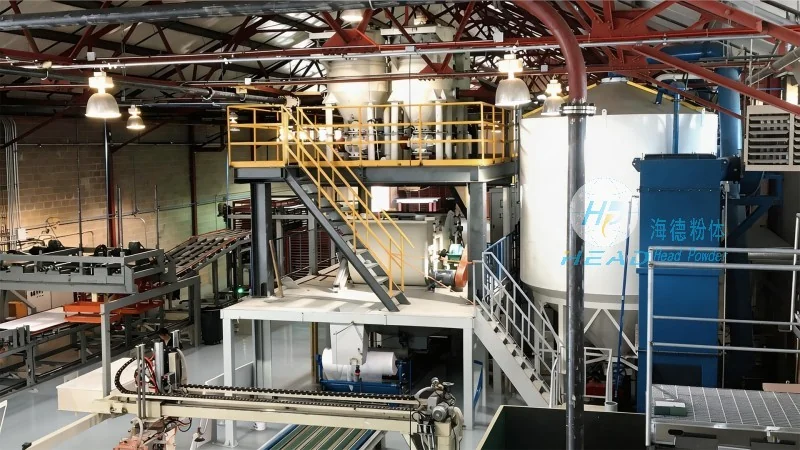
Working Principle of Bulk Bag Pneumatic Conveying Systems
The core of a bulk bag pneumatic conveying system is the process of transferring material from a bulk bag into a processing unit using air pressure. The system typically consists of several key components, including a bulk bag, a hopper or receiving container, a vacuum or pressure blower, a conveying line (usually made of flexible or rigid tubing), a series of valves (such as inlet and outlet valves), and a discharge spout or hopper. The operation begins with the bulk bag being placed securely in the receiving hopper, ensuring that the bag's opening is properly aligned with the hopper's inlet. The material inside the bag is then drawn or pushed into the conveying line by the blower. In a vacuum system, the blower creates a negative pressure in the line, which pulls the material from the bag into the hopper. In a pressure system, the blower forces air into the line, creating positive pressure that pushes the material from the bag into the hopper. The material is then transported through the conveying line to the discharge point, where it is released into the processing equipment. The system may include a filter or dust collector to capture any airborne particles, ensuring that the material is handled in a clean and safe manner. The entire process is controlled by a system of sensors and controls that monitor pressure, flow, and material level, providing real-time feedback and ensuring smooth operation. The working principle of bulk bag pneumatic conveyors is based on the principles of fluidization and air movement, which allows for the efficient and gentle handling of bulk materials, minimizing product degradation and loss.
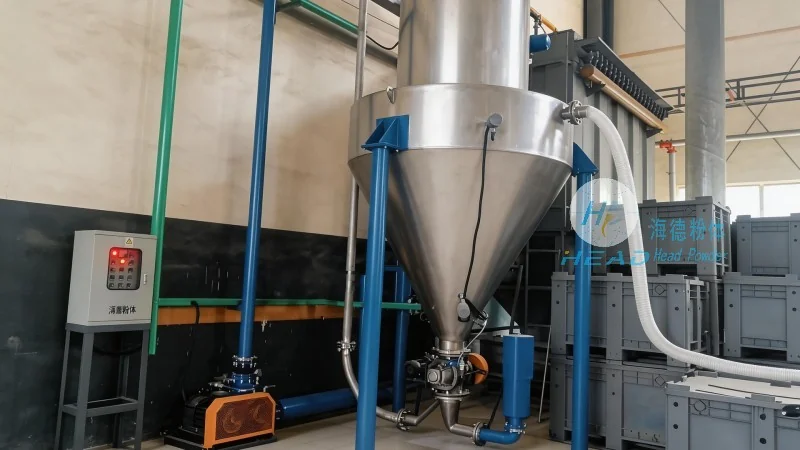
Key Features of Bulk Bag Pneumatic Conveying Equipment
Bulk bag pneumatic conveying equipment offers several distinct features that make it an attractive solution for industrial material handling. One of the primary advantages is its ability to handle large quantities of material from a single bulk bag, reducing the need for frequent bag changes and minimizing downtime. The system is also highly flexible, as it can be easily adapted to different material types and processing requirements. Another key feature is its compact design, which allows for installation in limited space, making it suitable for both new and existing facilities. The equipment is also designed for low maintenance, with components that are easy to access and replace, reducing operational costs and increasing uptime. Additionally, bulk bag pneumatic conveyors are equipped with safety features such as overpressure relief valves, pressure relief valves, and dust collection systems, ensuring safe and compliant operation. The system's ability to handle a wide range of materials, from fine powders (e.g., flour, cement) to coarse granules (e.g., sand, gravel), further enhances its versatility and applicability across various industries. The energy efficiency of the system, particularly in vacuum applications, also contributes to cost savings and environmental benefits. Furthermore, the system's ability to integrate with existing processing lines makes it a seamless addition to current operations, reducing the need for extensive modifications or new infrastructure.