

Working Principle and Characteristics of Pneumatic Conveying Systems for Lithium-Ion Battery Positiv
HeadPowder, a leading engineering firm based in Shandong, China, specializes in the design and implementation of advanced pneumatic conveying systems tailored for the handling of lithium-ion battery electrode materials. This article delves into the working principles and key characteristics of such systems, providing a comprehensive overview for industry professionals and potential clients.
Company Overview
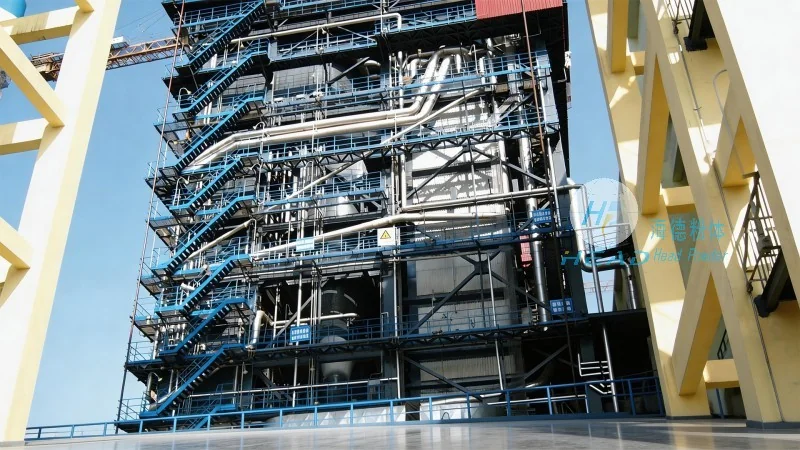
Shandong HeadPowder Engineering Co., Ltd., commonly known as HeadPowder, is a reputable company dedicated to engineering solutions for material handling, particularly in the battery manufacturing sector. With a focus on innovation and precision, HeadPowder has established itself as a trusted partner for companies seeking efficient and reliable systems for processing lithium-ion battery positive and negative electrode materials. The company’s headquarters is located in Shandong, China, where it conducts research, development, and manufacturing of specialized pneumatic conveying equipment.
Working Principle of Pneumatic Conveying Systems for Battery Electrode Materials
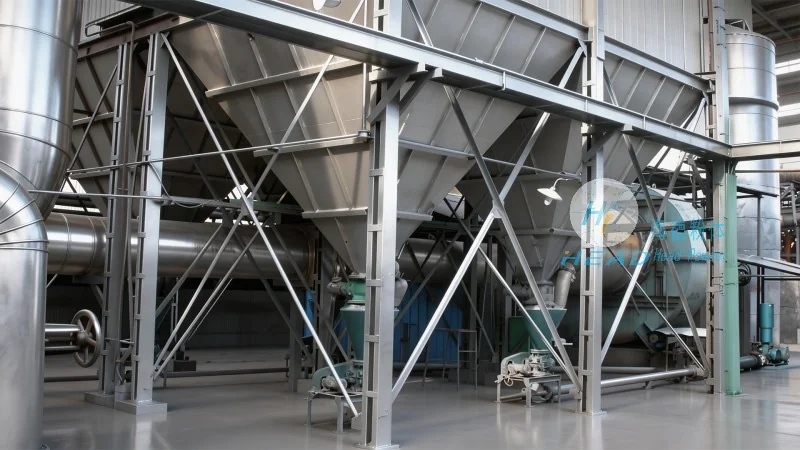
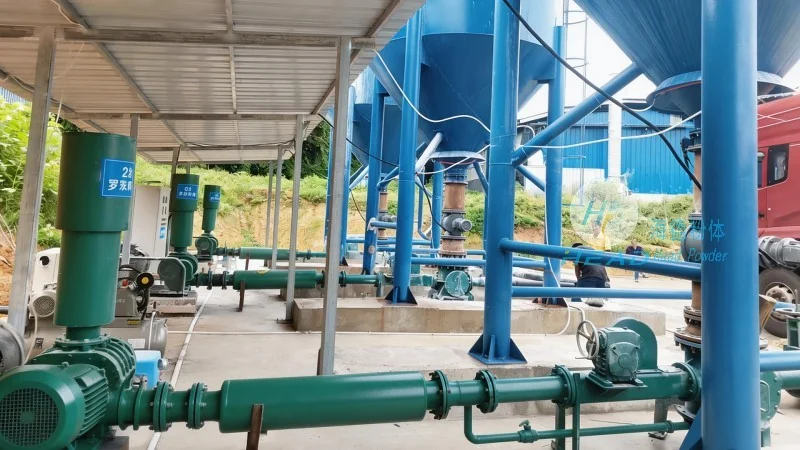
The core working principle of a pneumatic conveying system for lithium-ion battery electrode materials involves the use of compressed air to transport bulk materials through a pipeline network. This method is particularly effective for handling fine powders and granules, which are common in the production of battery electrodes. The system typically consists of a material feed hopper, a conveying line, and a discharge point, with optional components like cyclones or filters to separate and collect material. The process begins with the material being introduced into the hopper, where it is then drawn into the conveying line by the air flow generated by a blower or compressor. The air and material mixture travels through the pipeline, and at the discharge point, the material is separated from the air, often using a cyclone separator or a filter system. This separation ensures that the material is delivered to the next processing stage without contamination or loss.
Key Characteristics of Pneumatic Conveying Systems for Battery Electrode Materials
Several distinct characteristics define the performance and advantages of pneumatic conveying systems designed for lithium-ion battery electrode materials. First, these systems offer high efficiency in material transport, allowing for rapid and continuous movement of bulk materials over long distances. This efficiency is crucial in battery manufacturing, where large volumes of electrode powders need to be processed quickly to meet production demands. Second, the systems provide excellent material containment and safety, as the enclosed pipeline design prevents dust emissions and minimizes the risk of material exposure to the environment. This is particularly important for handling potentially hazardous materials, such as certain battery electrode powders. Third, pneumatic conveying systems are highly flexible and adaptable, capable of transporting materials through complex layouts and varying distances. This flexibility allows manufacturers to optimize their production lines and integrate the system into existing facilities without major modifications. Additionally, these systems are known for their low maintenance requirements and long service life, contributing to cost-effectiveness and operational reliability.
Advantages and Applications in Battery Manufacturing
Pneumatic conveying systems for lithium-ion battery electrode materials offer numerous advantages that make them indispensable in modern battery production. The primary advantage is the ability to handle fine and abrasive materials without causing wear or damage to the system components. This is critical for battery electrode powders, which can be highly abrasive and prone to degradation if not handled carefully. Another advantage is the system’s ability to maintain material purity, as the enclosed design prevents contamination from external sources. This is essential for ensuring the quality and performance of the final battery products. In terms of applications, these systems are widely used in the production of lithium-ion batteries for electric vehicles, consumer electronics, and energy storage systems. They are employed in various stages of the manufacturing process, including material mixing, blending, and transfer between processing units. The systems also support automated production lines, enhancing productivity and reducing labor costs.
Conclusion
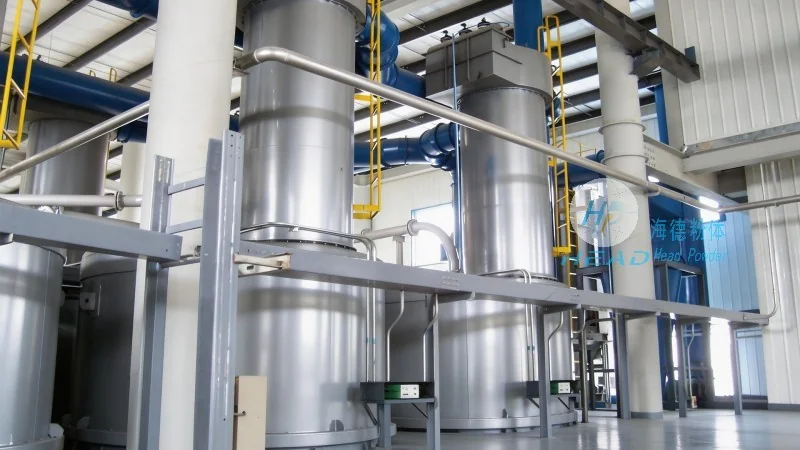
HeadPowder’s pneumatic conveying systems for lithium-ion battery positive and negative electrode materials represent a sophisticated solution for the efficient and safe handling of critical battery components. By understanding the working principles and key characteristics of these systems, manufacturers can optimize their production processes, improve material quality, and enhance overall operational efficiency. As the demand for lithium-ion batteries continues to grow, the importance of reliable material handling systems like those offered by HeadPowder becomes increasingly evident. With its expertise and commitment to quality, HeadPowder remains a key player in providing advanced engineering solutions for the battery industry.