

Working Principle and Features of Cement Clinker Pneumatic Conveying Systems
HeadPowder, a leading engineering firm based in Shandong, China, specializes in the design, manufacturing, and installation of advanced pneumatic conveying systems for cement clinker. This article explores the fundamental working principles and key characteristics of such systems, providing insights into their operational efficiency and industrial applications.
Understanding the Working Principle of Cement Clinker Pneumatic Conveying Systems
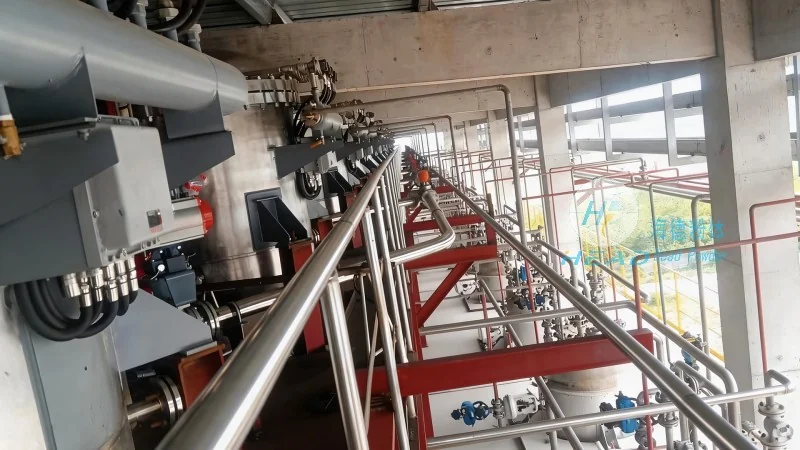
Cement clinker pneumatic conveying systems utilize air as the primary medium to transport bulk materials, such as cement clinker, from one location to another. The core mechanism involves the creation of a pressure differential or vacuum to move the material through a pipeline network. There are two main types of pneumatic conveying systems: aspiration (or suction) systems and pressure (or blow) systems. Aspiration systems operate by creating a vacuum at the material source, drawing clinker into the pipeline using a fan or blower. In contrast, pressure systems generate high-pressure air at the discharge end, pushing the material through the pipeline. Both systems rely on precise control of air flow, pressure, and velocity to ensure efficient and reliable material transport.
Key Features and Advantages of Cement Clinker Pneumatic Conveying Systems
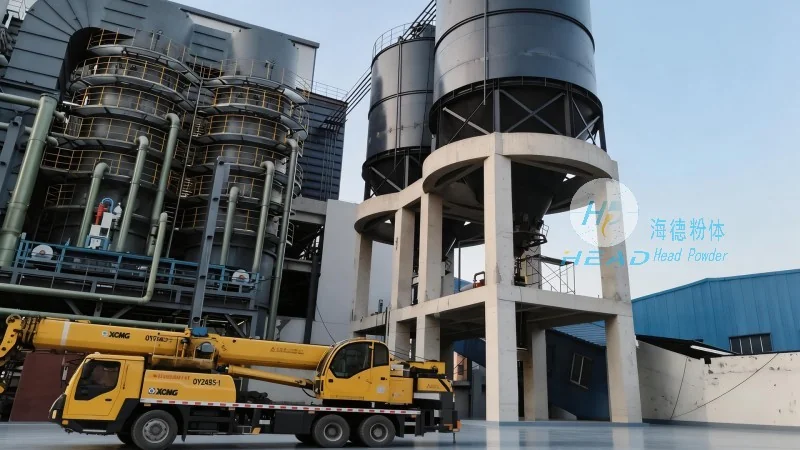
HeadPowder's pneumatic conveying systems for cement clinker offer several distinct advantages that make them ideal for modern industrial applications. First, these systems provide a highly efficient and continuous material transport capability, minimizing downtime and enhancing production throughput. The use of enclosed pipelines prevents dust emissions, contributing to a cleaner and safer working environment. Additionally, pneumatic conveying systems are flexible in terms of layout, allowing for complex and customized pipeline configurations to accommodate various plant layouts and operational requirements. Another notable feature is their ability to handle abrasive materials like cement clinker without significant wear on components, thanks to the design of robust pipelines and air separation equipment. The systems also offer precise control over material flow rates, enabling accurate dosing and blending processes in cement production lines.
Technical Specifications and Operational Considerations
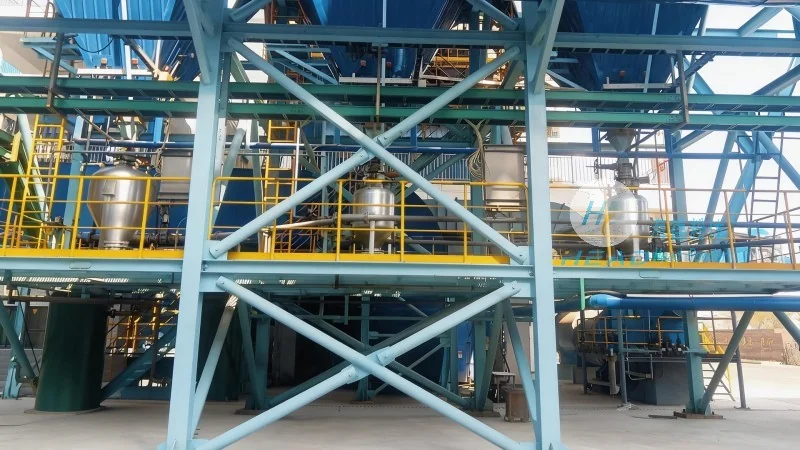
The performance of cement clinker pneumatic conveying systems is influenced by several technical parameters. The choice between aspiration and pressure systems depends on factors such as the distance to be covered, the height of the transport, and the required flow rate. For long-distance or high-rise applications, pressure systems are often preferred due to their ability to maintain consistent pressure and flow. The selection of air velocity is critical; too low a velocity may cause material settling or blockages, while too high a velocity can lead to excessive energy consumption and wear on the system components. HeadPowder employs advanced computational fluid dynamics (CFD) simulations and engineering expertise to optimize these parameters, ensuring optimal system performance and longevity. Furthermore, the system includes essential components like air filters, cyclone separators, and material dryers to maintain material quality and prevent system clogging. Regular maintenance, including cleaning of filters and inspection of pipeline integrity, is essential to sustain the system's efficiency and reliability.
Applications in Cement Manufacturing and Beyond
Cement clinker pneumatic conveying systems are integral to the modern cement production process, facilitating the movement of clinker from storage silos to grinding mills or other processing units. Beyond cement manufacturing, these systems are also utilized in other industries, such as mining, chemical processing, and food processing, where the transport of bulk materials is required. The adaptability of pneumatic conveying systems makes them a versatile solution for various industrial needs. HeadPowder's expertise in customizing these systems ensures that clients receive solutions tailored to their specific operational demands, whether for new plant installations or system upgrades.
Conclusion
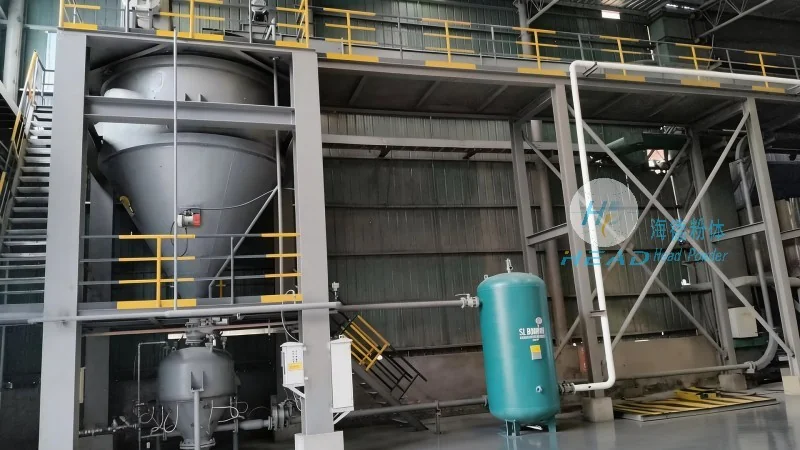
In summary, cement clinker pneumatic conveying systems represent a sophisticated and efficient method for bulk material transport in industrial settings. The working principles, which rely on air flow and pressure differentials, enable reliable and continuous operation. The key features, including enclosed transport, dust control, and flexibility, make these systems a preferred choice for industries like cement manufacturing. HeadPowder, with its strong engineering background and commitment to quality, provides comprehensive solutions for pneumatic conveying systems, ensuring that clients achieve optimal performance and operational efficiency in their material handling processes.