

Working Principle and Features of PUR Pneumatic Conveying Equipment
This article provides an in-depth exploration of the working principle and key features of PUR pneumatic conveying equipment, manufactured by Shandong HeadPowder Engineering Co., Ltd. Based in Shandong, China, HeadPowder specializes in providing efficient and reliable pneumatic conveying solutions for various industrial applications. The following sections will detail how the equipment operates and its notable characteristics that make it a preferred choice in the industry.
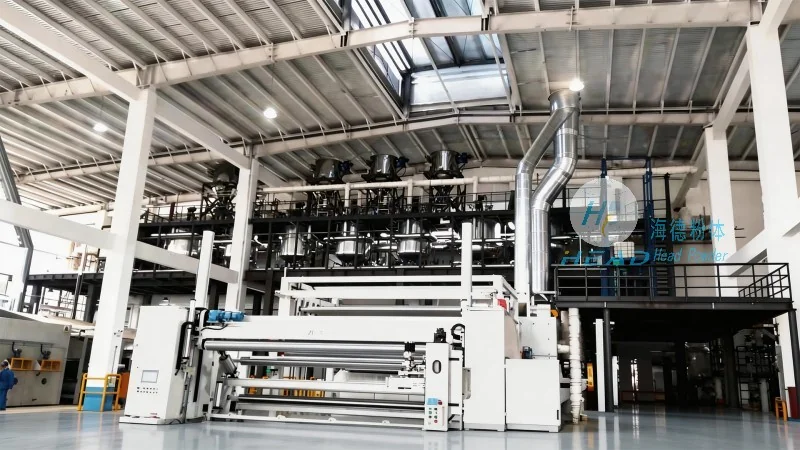
PUR (Polyurethane Resin) pneumatic conveying systems utilize a combination of air flow and pressure to transport bulk materials such as powders, granules, and other particulate substances. The working principle involves the use of a positive pressure or negative pressure system to move material from a source to a destination. In a positive pressure system, air is forced through the material, creating a stream that carries the particles along the pipeline. Conversely, a negative pressure system draws air and material through the line, creating a vacuum that pulls the material forward. The choice between these systems depends on the specific material characteristics, such as particle size, moisture content, and abrasiveness, as well as the distance and layout of the conveying route.
A key component of the PUR pneumatic conveying equipment is the material feed hopper, which is designed to handle the bulk material and ensure a consistent flow into the conveying line. The hopper typically includes a rotary valve or a star feeder to control the discharge rate, preventing blockages and maintaining a steady material stream. The air supply system, which may include a blower or a compressor, generates the necessary pressure or vacuum to drive the material through the pipeline. The pipeline itself is constructed from durable PUR material, which offers excellent resistance to abrasion, corrosion, and impact, ensuring long-term performance and minimal maintenance.
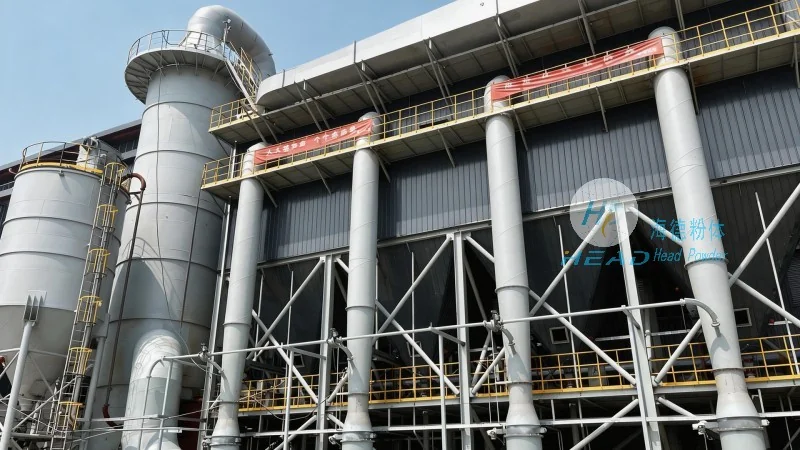
One of the primary advantages of PUR pneumatic conveying equipment is its ability to handle a wide range of materials with minimal degradation. The smooth, non-stick surface of the PUR pipeline reduces friction and prevents material buildup, which is particularly beneficial for abrasive or sticky substances. Additionally, the equipment can operate at relatively high speeds, allowing for efficient material transport over long distances without the need for multiple transfer points. This makes it ideal for applications in industries such as food processing, pharmaceuticals, chemicals, and mining, where material integrity and hygiene are critical.
The system also features advanced control mechanisms that allow for precise regulation of the conveying process. Sensors and controllers monitor parameters such as pressure, flow rate, and material level, providing real-time feedback and enabling automatic adjustments to maintain optimal performance. This automation enhances operational efficiency and reduces the risk of material loss or system failure. Furthermore, the modular design of the equipment allows for easy installation and integration into existing production lines, minimizing downtime and installation costs.
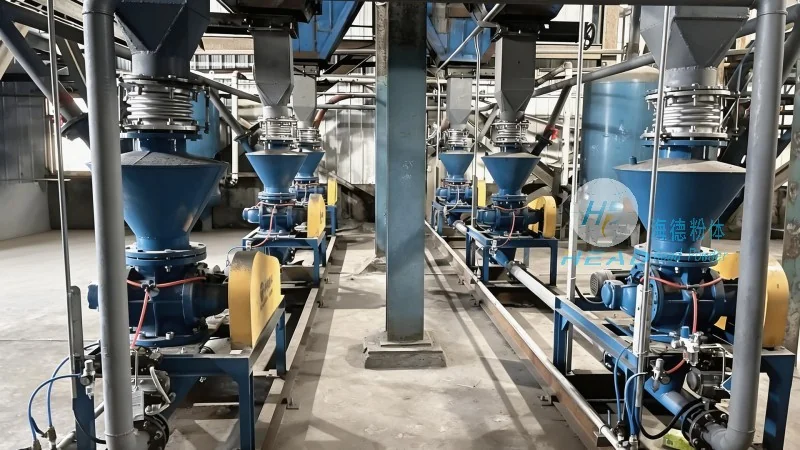
In terms of maintenance and durability, PUR pneumatic conveying equipment stands out due to the inherent properties of the material. The PUR pipeline has a long service life, often lasting for years with proper care, and requires minimal maintenance compared to traditional metal or plastic systems. Regular cleaning and inspection are recommended to ensure the system continues to operate efficiently, but the overall maintenance cost is significantly lower. The equipment is also designed to be easily disassembled for cleaning, which is essential in industries where hygiene standards are stringent.
Another notable feature is the flexibility of the PUR pneumatic conveying system. The pipeline can be bent and curved to accommodate complex layouts, allowing for the integration of the equipment into existing facilities without major structural modifications. This adaptability makes it suitable for retrofitting existing plants or for new construction projects where space constraints are a concern. The system can also be scaled to handle varying material volumes, from small batches to large-scale production, making it a versatile solution for different production needs.
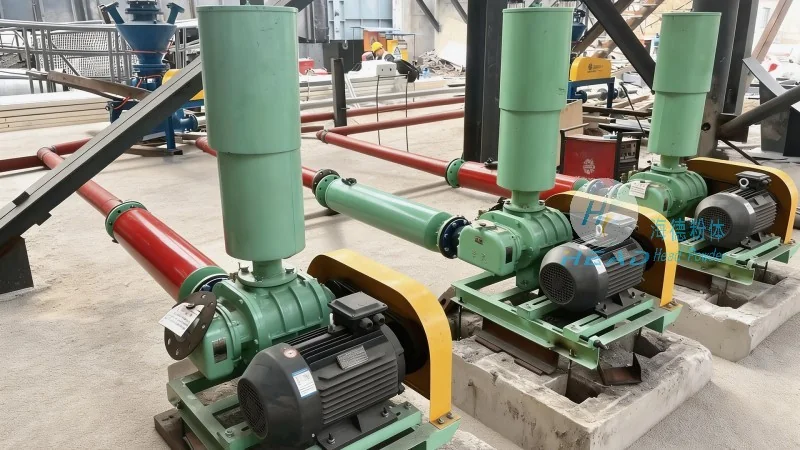
When considering the application of PUR pneumatic conveying equipment, several factors should be taken into account to ensure optimal performance. The first is the material characteristics, including particle size distribution, moisture content, and abrasiveness, as these directly impact the system's design and operation. The second is the conveying distance and layout, which will determine the required pressure or vacuum levels and the length of the pipeline. The third is the required material flow rate, which will influence the size of the air supply and the capacity of the feed hopper. By carefully evaluating these factors, users can select the appropriate PUR pneumatic conveying system that meets their specific requirements and ensures efficient material transport.
In conclusion, PUR pneumatic conveying equipment from Shandong HeadPowder Engineering Co., Ltd. offers a reliable and efficient solution for bulk material transport. Its working principle, based on air flow and pressure, combined with the durable PUR material and advanced control features, makes it a superior choice for various industrial applications. The equipment's ability to handle diverse materials, operate over long distances, and maintain material integrity, coupled with its low maintenance requirements and flexibility, positions it as a leading solution in the pneumatic conveying industry. For businesses seeking to enhance their material handling processes, PUR pneumatic conveying equipment provides a robust and cost-effective option.