

Working Principle and Features of Powder Electrolyte Pneumatic Conveying Systems
For industrial applications involving the transport of fine powder electrolytes, the pneumatic conveying system has emerged as a highly efficient and versatile solution. This technology is particularly crucial in sectors such as battery manufacturing, where the reliable and safe handling of materials like lithium, sodium, or other electrolyte powders is paramount. The following article delves into the working principle and key features of a powder electrolyte pneumatic conveying system, highlighting its operational efficiency and technical advantages.
Working Principle of Powder Electrolyte Pneumatic Conveying Systems
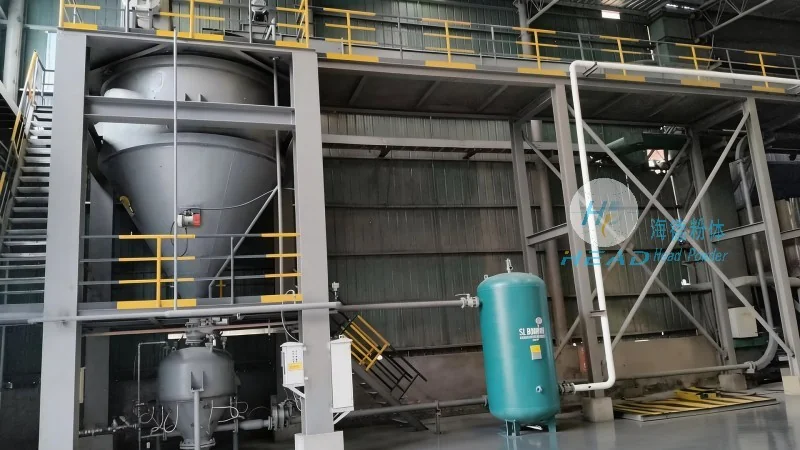
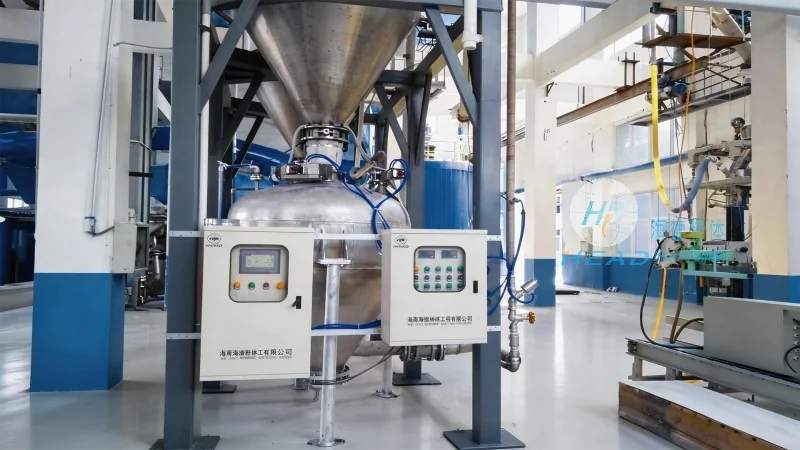
The core mechanism of a pneumatic conveying system for powder electrolytes relies on the use of compressed air or gas to transport solid particles through a pipeline. The process typically involves several key components, including a hopper for material storage, a feeder to control the flow rate, a venturi or eductor to create a pressure differential, and a receiver for the discharged material. The system operates by introducing a controlled amount of powder into the pipeline while simultaneously injecting compressed air. As the air flows through the venturi, it accelerates, creating a low-pressure zone that draws the powder particles into the air stream. This mixture of air and powder is then propelled through the pipeline to the destination point, where the air is separated from the powder and either recycled or vented, while the powder is collected in the receiver.
Key Features and Advantages of the System
Several distinctive features make powder electrolyte pneumatic conveying systems an attractive choice for industrial applications. Firstly, the system offers a high degree of flexibility in terms of material handling, as it can transport various types of fine powders, including those with different particle sizes and moisture content. This adaptability is particularly valuable in battery production, where different electrolyte formulations may require tailored transport solutions. Secondly, the system provides excellent control over the flow rate and pressure, ensuring consistent and reliable material delivery. This precision is critical for maintaining the quality and performance of the final product. Additionally, the pneumatic conveying process is generally low in maintenance, as it eliminates the need for mechanical components like belts or screws that are prone to wear and tear in high-abrasion environments. The system also offers a compact design, allowing for easy integration into existing production lines without significant modifications to the facility layout.
Technical Specifications and Performance Metrics
When evaluating the performance of a powder electrolyte pneumatic conveying system, several technical parameters are considered. The system's capacity, typically measured in tons per hour, depends on factors such as the air pressure, the type of powder, and the pipeline diameter. For instance, a system operating at 6 bar pressure with a 100 mm pipeline can handle up to 10 tons of powder per hour, depending on the specific material properties. The pressure drop along the pipeline is another critical metric, as it indicates the energy consumption and the efficiency of the system. Proper design ensures minimal pressure loss, which contributes to lower operational costs and reduced energy consumption. Furthermore, the system's ability to handle abrasive materials without significant wear is a key advantage, as it extends the service life of components like the venturi and pipeline. This durability is essential for long-term operation in demanding industrial environments.
Applications in Battery Manufacturing and Beyond
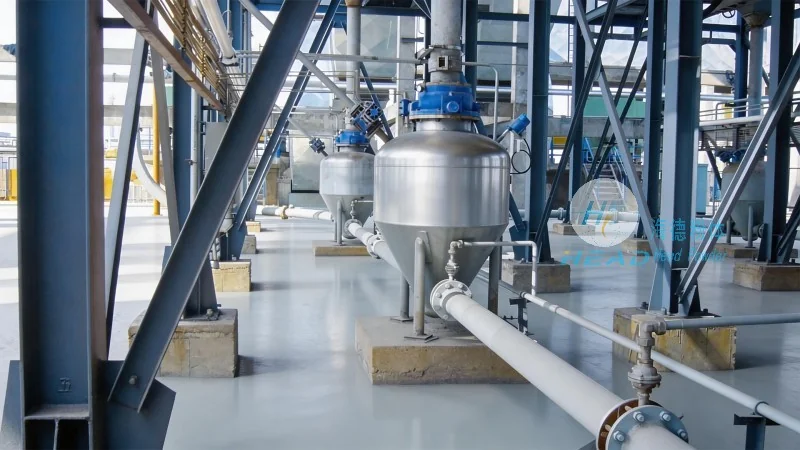
Powder electrolyte pneumatic conveying systems find extensive applications in the battery industry, where the transport of lithium, sodium, or other electrolyte powders is a critical step in the production process. These systems are used to move raw materials from storage silos to mixing and coating lines, ensuring a consistent supply of high-quality powder. The system's ability to handle fine powders with minimal segregation or agglomeration is particularly important, as it maintains the uniformity of the electrolyte mixture. Beyond battery manufacturing, the technology is also applied in other sectors, such as pharmaceuticals and food processing, where the safe and hygienic transport of powders is required. The system's flexibility and adaptability make it suitable for a wide range of applications, from small-scale laboratory operations to large-scale industrial production.
Conclusion and Company Overview
In conclusion, the powder electrolyte pneumatic conveying system represents a sophisticated and efficient solution for the transport of fine powder materials. Its working principle, based on pneumatic transport, offers numerous advantages, including high flexibility, precise control, and low maintenance. The system's performance is characterized by high capacity, low pressure drop, and durability, making it suitable for demanding industrial applications. As the demand for advanced battery technologies grows, the importance of reliable material handling systems like this one becomes increasingly significant. Shandong HeadPowder Engineering Co., Ltd., a leading provider in this field, specializes in designing and manufacturing customized pneumatic conveying systems tailored to the specific needs of clients. With a focus on quality and innovation, the company ensures that its systems meet the highest standards of performance and reliability, supporting the efficient operation of industrial facilities worldwide.