High-alumina ash powder conveyors are specialized equipment designed for the efficient and reliable transportation of high-alumina ash powders, which are commonly used in industrial applications such as cement production, power generation, and chemical processing. These conveyors play a crucial role in ensuring the smooth flow of materials within production lines, enhancing operational efficiency and reducing downtime. The expertise of manufacturers like Shandong HeadPowder Engineering Co., Ltd. (commonly known as headpowder) is vital in designing and implementing these systems to meet the specific needs of industrial clients.
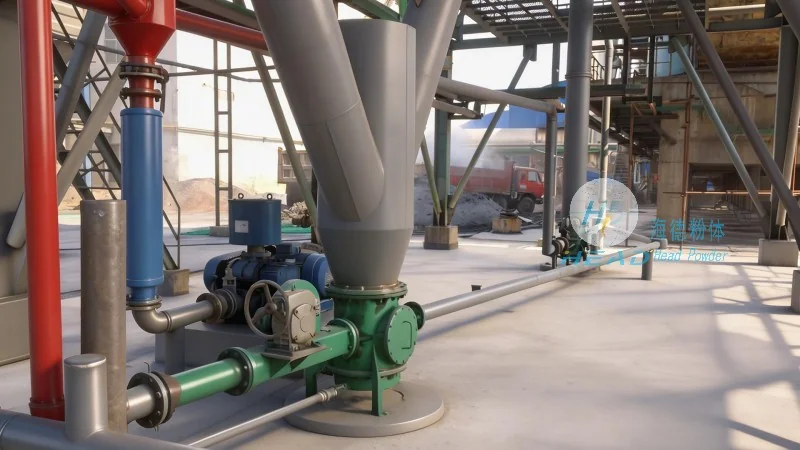
Introduction to High-Alumina Ash Powder Conveyors
High-alumina ash powder conveyors, also known as high-alumina ash powder transport systems, are engineered to handle the unique properties of high-alumina ash powders. These powders are characterized by their fine particle size, high density, and potential for dust generation, which necessitates specialized handling equipment. The primary function of these conveyors is to transport the powder from a source, such as a storage silo or a processing unit, to a destination, such as a mixer or a storage tank, while maintaining the integrity of the material and minimizing contamination or loss.
Key Design Principles of High-Alumina Ash Powder Conveyors
The design of high-alumina ash powder conveyors is guided by several critical principles aimed at ensuring optimal performance, safety, and durability. These principles include material selection, system layout, and operational considerations. Material selection is paramount, as the components of the conveyor must withstand the corrosive and abrasive nature of high-alumina ash powders. Common materials used in the construction of these conveyors include stainless steel, corrosion-resistant alloys, and high-quality plastics, which provide resistance to wear and chemical attack. The system layout is carefully planned to minimize the risk of material buildup and blockages, which can lead to system failure. This involves the use of appropriate angles of inclination, proper sealing mechanisms, and effective dust collection systems to maintain a clean and safe operating environment.
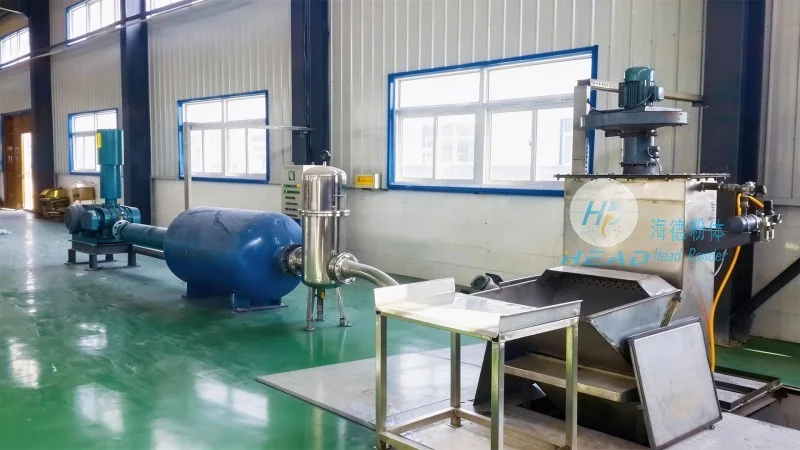
Components and Working Mechanism
High-alumina ash powder conveyors typically consist of several key components, including a hopper, a feeding mechanism, a conveying tube or screw, a drive system, and a control panel. The hopper is designed to store and feed the powder into the conveyor system, ensuring a consistent flow rate. The feeding mechanism, often a rotary valve or a screw feeder, regulates the amount of powder entering the conveying tube. The conveying tube, which may be a flexible hose or a rigid pipe, transports the powder from the hopper to the discharge point. The drive system, usually an electric motor connected to a gearbox, provides the necessary power to move the powder through the system. The control panel allows operators to monitor and adjust the conveyor's operation, ensuring it runs smoothly and efficiently.
Advantages of High-Alumina Ash Powder Conveyors
High-alumina ash powder conveyors offer several advantages over traditional methods of powder transportation, such as manual handling or bucket elevators. These advantages include increased efficiency, reduced labor costs, and improved safety. The automated nature of these systems minimizes the risk of human error and exposure to hazardous materials. Additionally, the consistent flow rate and precise control of the conveyor help maintain the quality of the high-alumina ash powder, preventing segregation and ensuring uniformity in downstream processes. The compact design of many high-alumina ash powder conveyors also allows for easier integration into existing production lines, reducing the need for major infrastructure changes.
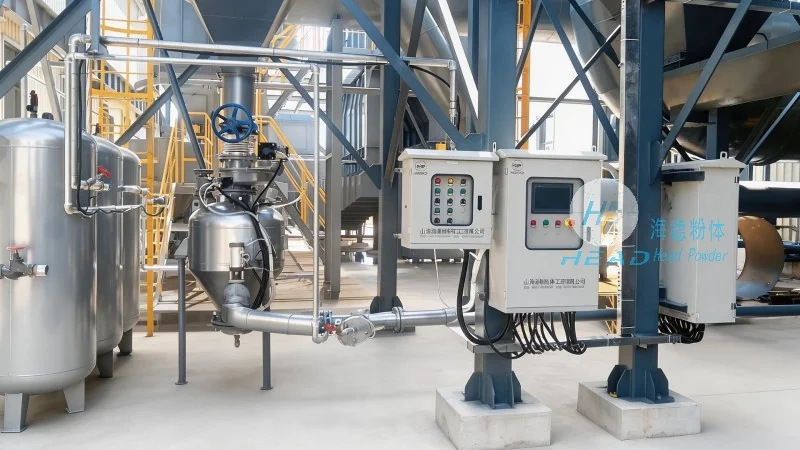
Applications in Industrial Settings
High-alumina ash powder conveyors are widely used in various industrial applications where high-alumina ash powders are a key component. In the cement industry, these conveyors are used to transport high-alumina ash from storage silos to cement mixers, ensuring a consistent supply of raw materials. In power generation plants, they are employed to move ash from boiler ash hoppers to disposal or recycling facilities. The chemical industry also utilizes these conveyors for transporting high-alumina ash powders used in the production of various chemicals and materials. In each of these applications, the design principles and components of the conveyor are tailored to meet the specific requirements of the process, ensuring optimal performance and reliability.
Maintenance and Operational Considerations
Proper maintenance is essential for the long-term performance and reliability of high-alumina ash powder conveyors. Regular inspections of the conveying tube, hopper, and feeding mechanism are necessary to detect and address any signs of wear or damage. The drive system and control panel should also be checked regularly to ensure they are functioning correctly. Additionally, the dust collection system should be maintained to prevent dust accumulation and potential fire hazards. Operational considerations include monitoring the flow rate and pressure within the system, as well as ensuring that the conveyor is properly sealed to prevent material leakage. By following these maintenance and operational guidelines, users can maximize the lifespan of their high-alumina ash powder conveyors and minimize downtime.




