HeadPowder, a leading enterprise in the field of material handling solutions, specializes in the design, manufacturing, and implementation of advanced pneumatic conveying systems for various industrial applications. This article provides an in-depth exploration of the working principle and key characteristics of petroleum coke powder pneumatic conveying, a technology widely used in the petrochemical and power generation industries.
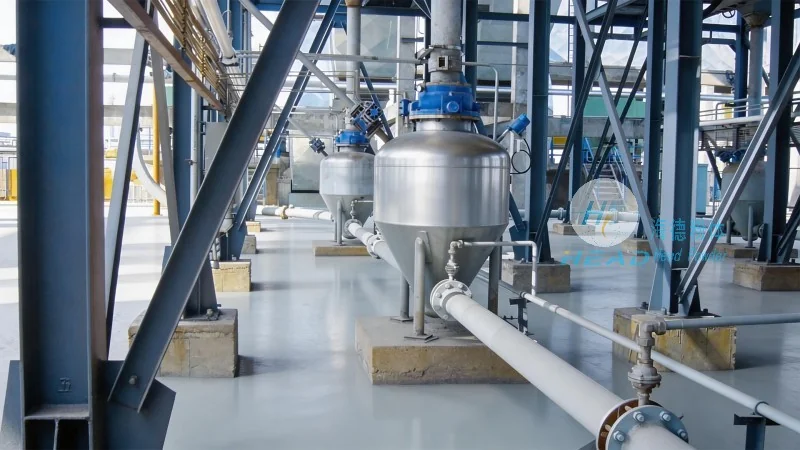
Understanding the Working Principle of Petroleum Coke Powder Pneumatic Conveying
Pneumatic conveying is a method of transporting bulk materials, such as petroleum coke powder, through a pipeline using a stream of air or other gas. The process typically involves a combination of positive and negative pressure systems, depending on the specific application and material characteristics. In the case of petroleum coke powder, which is a fine, abrasive, and often sticky material, the conveying system must be engineered to handle these challenges effectively.
The core working principle of petroleum coke powder pneumatic conveying involves the creation of a flow of air within a pipeline. This air flow is generated by a blower or fan, which creates a pressure differential between the inlet and outlet of the system. The material is then introduced into the pipeline, either by gravity or by a feeder device, and is entrained by the moving air stream. As the material travels through the pipeline, it is suspended and transported to the destination point. The system may include components such as a hopper, a feeder, a pipeline network, and a receiver, all working in concert to ensure efficient and reliable material transport.
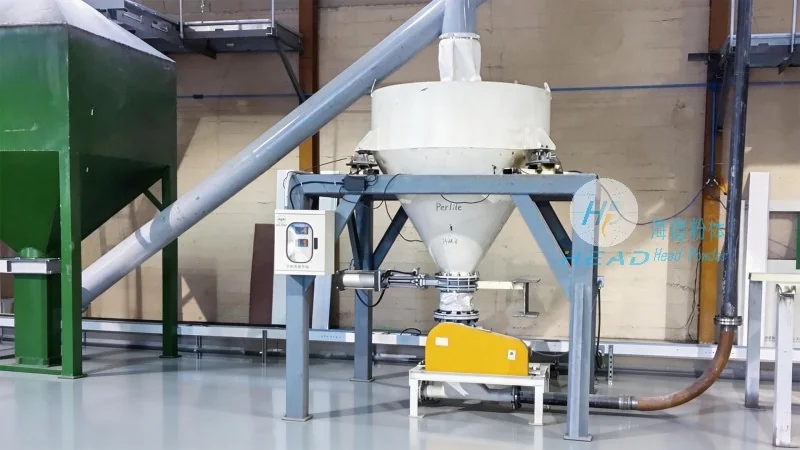
Key Characteristics of Petroleum Coke Powder Pneumatic Conveying
Several distinct characteristics define the performance and advantages of petroleum coke powder pneumatic conveying systems. These features make the technology particularly suitable for handling petroleum coke powder, which is known for its high density, fine particle size, and potential for dust generation.
Firstly, the system offers high efficiency in material transport. By utilizing the kinetic energy of the air stream, the conveying process can move large volumes of petroleum coke powder over significant distances with minimal energy consumption compared to traditional methods like belt conveyors or bucket elevators. This efficiency is crucial for industrial operations where material handling costs can significantly impact overall production economics.
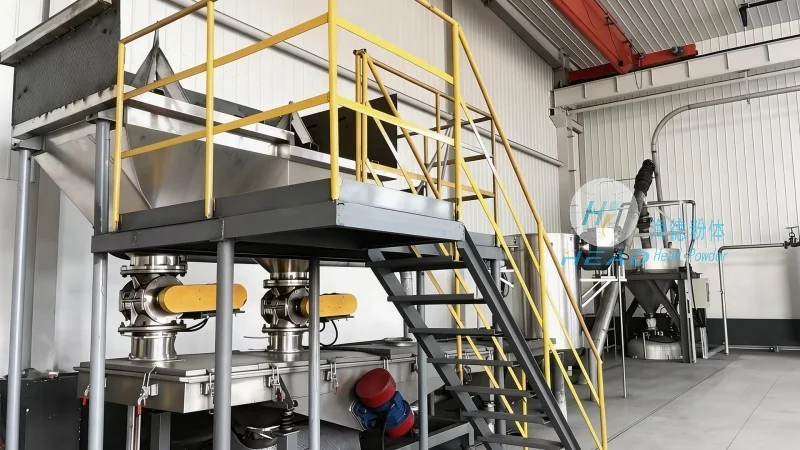
Secondly, pneumatic conveying systems provide excellent environmental control. The enclosed pipeline design prevents dust emissions and ensures compliance with environmental regulations. This is particularly important for petroleum coke powder, which can be a source of air pollution if not handled properly. The system also helps maintain a clean working environment by containing the material within the pipeline.
Thirdly, the technology offers flexibility in system design and operation. Depending on the specific requirements of the application, the system can be configured as a positive pressure system, where air is blown into the pipeline, or a negative pressure system, where air is drawn out. This flexibility allows for adaptation to different plant layouts and material handling needs. Additionally, the system can be integrated with other equipment, such as storage silos, mixers, and processing units, to create a comprehensive material handling solution.
Applications and Benefits in Industrial Settings
Petroleum coke powder pneumatic conveying systems are widely used in various industrial sectors, including petrochemical plants, power generation facilities, and steel mills. The primary benefits of this technology in these applications include improved operational efficiency, reduced maintenance costs, and enhanced safety. By eliminating the need for manual handling and open storage, the system minimizes the risk of accidents and exposure to hazardous materials.
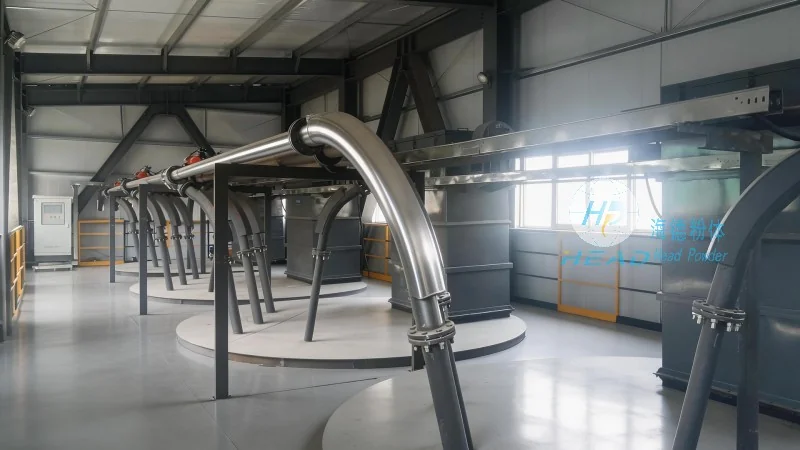
Moreover, the high reliability of pneumatic conveying systems ensures consistent material flow, which is critical for maintaining production schedules and meeting quality standards. The system's ability to handle abrasive materials like petroleum coke powder without significant wear and tear on components also contributes to long-term operational savings. HeadPowder's expertise in designing and implementing such systems ensures that clients receive tailored solutions that meet their specific operational requirements and industry standards.
Conclusion
In conclusion, petroleum coke powder pneumatic conveying is a sophisticated and efficient method for transporting bulk materials in industrial settings. The working principle, which relies on air flow to entrain and transport the material, combined with the key characteristics of high efficiency, environmental control, and operational flexibility, makes it an ideal choice for handling petroleum coke powder. As a leading provider of material handling solutions, Shandong HeadPowder Engineering Co., Ltd. leverages its expertise to design and deliver customized pneumatic conveying systems that meet the diverse needs of its clients, ensuring reliable and cost-effective material transport in various industrial applications.




