For industries dealing with clay coal powder, efficient and reliable material handling is crucial. Pneumatic conveying systems offer a viable solution to transport these fine powders over varying distances. This article explores several effective methods for pneumatic conveying of clay coal powder, highlighting the technical approaches and considerations that ensure optimal performance.
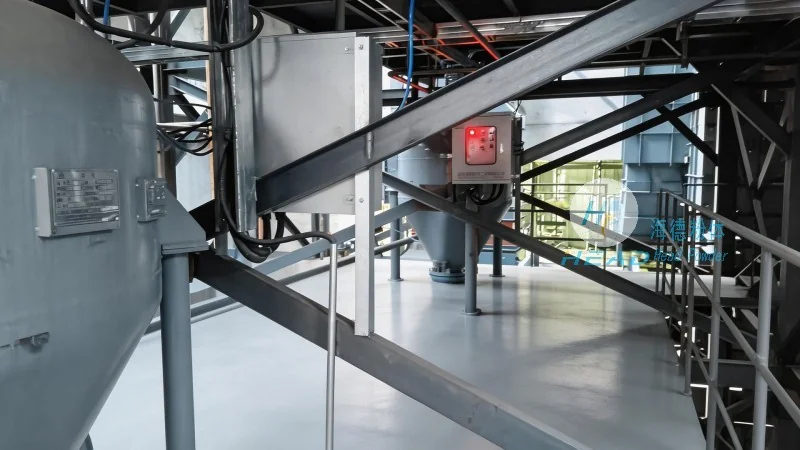
Understanding the Challenges of Clay Coal Powder Conveying
Clay coal powder, characterized by its fine particle size and cohesive properties, presents unique challenges in material handling. Traditional methods like belt conveyors or bucket elevators may struggle with dust generation, material buildup, and system inefficiencies. Pneumatic conveying, by utilizing air pressure to move particles, addresses these issues by providing a closed system that minimizes environmental impact and enhances operational safety.
Key Considerations for Selecting a Pneumatic Conveying System
When choosing a pneumatic conveying system for clay coal powder, several factors must be evaluated. The first is the distance and layout of the conveying path, which determines whether a dilute-phase or dense-phase system is more appropriate. Dilute-phase systems, which use low air velocity and high air-to-material ratios, are suitable for short to medium distances and require less energy. Dense-phase systems, on the other hand, use higher air velocity and lower air-to-material ratios, ideal for longer distances and more challenging material properties.
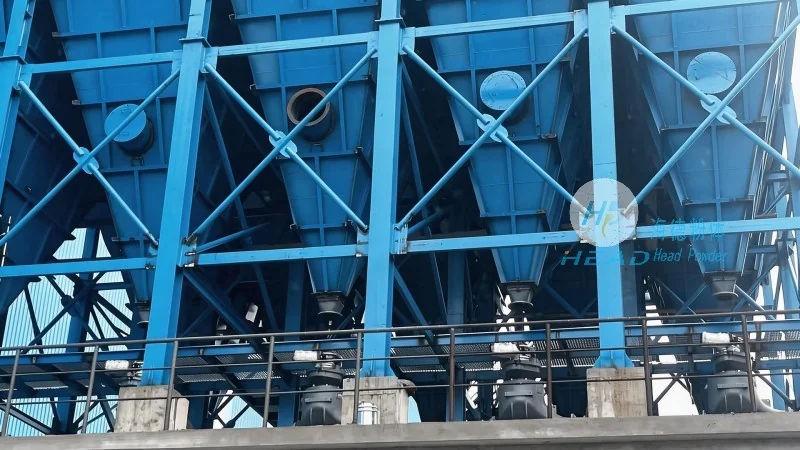
Option 1: Dilute-Phase Pneumatic Conveying
Dilute-phase pneumatic conveying is a common method for transporting clay coal powder over short to medium distances. This approach involves injecting air into the material at a high velocity, creating a cloud of particles suspended in air. The system typically includes a feeding device, a conveying line, and a receiver. The feeding device ensures consistent material flow, while the conveying line transports the mixture to the receiver. This method is efficient for low to medium material volumes and is relatively simple to install and maintain.
Option 2: Dense-Phase Pneumatic Conveying
Dense-phase pneumatic conveying is preferred for longer distances or when handling more cohesive or abrasive materials. Unlike dilute-phase systems, dense-phase systems maintain a higher concentration of material in the conveying line, reducing the risk of clogging and improving material integrity. This method uses higher air pressure and lower air velocity, resulting in a more stable and controlled flow. Dense-phase systems are particularly effective for transporting clay coal powder over distances exceeding 100 meters, ensuring minimal degradation of the material.
Option 3: Hybrid Pneumatic Conveying Systems
Hybrid systems combine elements of both dilute-phase and dense-phase approaches to optimize performance for specific applications. These systems may use a combination of low and high air pressures, allowing for flexible operation across different conveying distances and material characteristics. For clay coal powder, hybrid systems can be tailored to balance energy efficiency with material handling capacity, making them suitable for complex industrial setups where multiple conveying points are required.
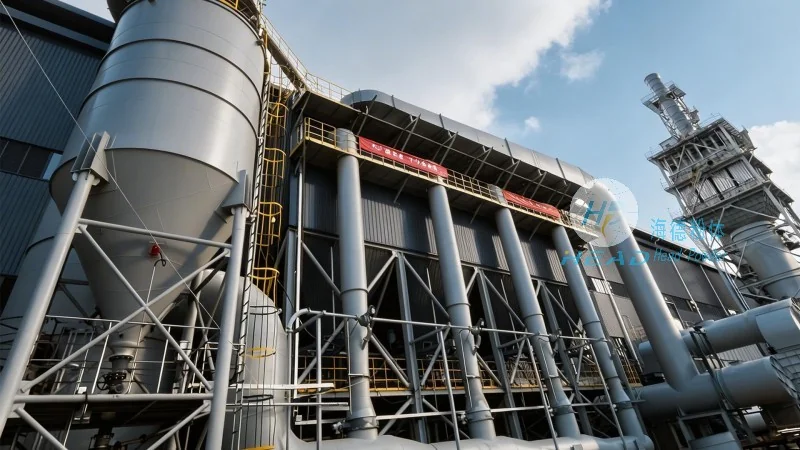
HeadPowder Engineering: Your Partner in Pneumatic Conveying Solutions
Shandong HeadPowder Engineering Co., Ltd., a leading provider of material handling solutions, specializes in designing and implementing pneumatic conveying systems tailored to the unique needs of clay coal powder applications. With a focus on innovation and customer satisfaction, HeadPowder offers customized solutions that address the specific challenges of each project. The company’s expertise in system design, material testing, and installation ensures that clients receive reliable, efficient, and cost-effective pneumatic conveying systems. HeadPowder’s commitment to quality and technical excellence has made it a trusted partner for industries relying on clay coal powder processing.
Conclusion: Choosing the Right Pneumatic Conveying Method
Selecting the appropriate pneumatic conveying method for clay coal powder depends on factors such as distance, material properties, and operational requirements. Dilute-phase systems are ideal for short distances and moderate material volumes, while dense-phase systems excel in longer conveying distances and more challenging material conditions. Hybrid systems offer flexibility for complex applications. By understanding these options and consulting with experienced providers like Shandong HeadPowder Engineering Co., Ltd., industries can optimize their material handling processes, reduce operational costs, and enhance overall productivity.




