Shandong HeadPowder Engineering Co., Ltd., a leading provider in the field, specializes in the design and implementation of pneumatic conveying systems for sawdust particles. This article delves into the fundamental working principle and key characteristics of such systems, offering insights into their operational efficiency and practical applications.
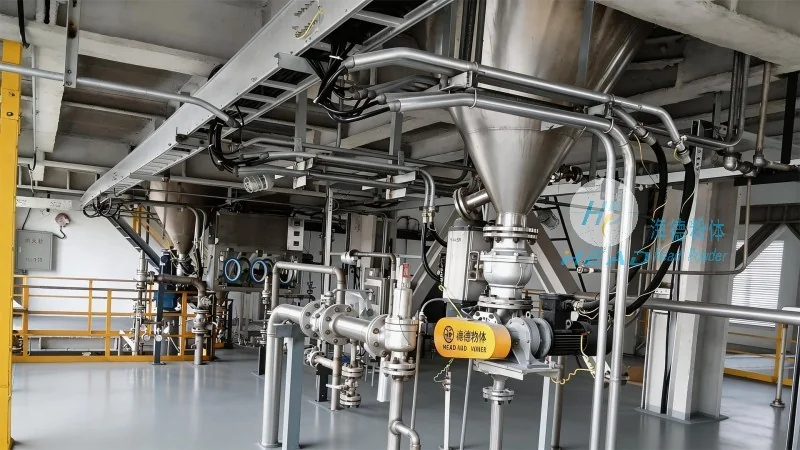
The Working Principle of Sawdust Particle Pneumatic Conveying
Pneumatic conveying systems for sawdust particles operate on the principle of transporting solid materials through a pipeline using a moving gas stream. In this process, sawdust is introduced into a hopper or feeder, where it is then drawn into a pipeline by a fan or blower. The gas, typically air, creates a pressure differential that propels the sawdust particles forward. The system can be categorized into two main types: dilute phase and dense phase, each with distinct operational characteristics. The dilute phase system relies on high-velocity air to suspend the particles, while the dense phase system uses lower velocities to transport the material in a more compact form. The choice between these systems depends on factors such as the material's properties, the distance to be conveyed, and the required flow rate.
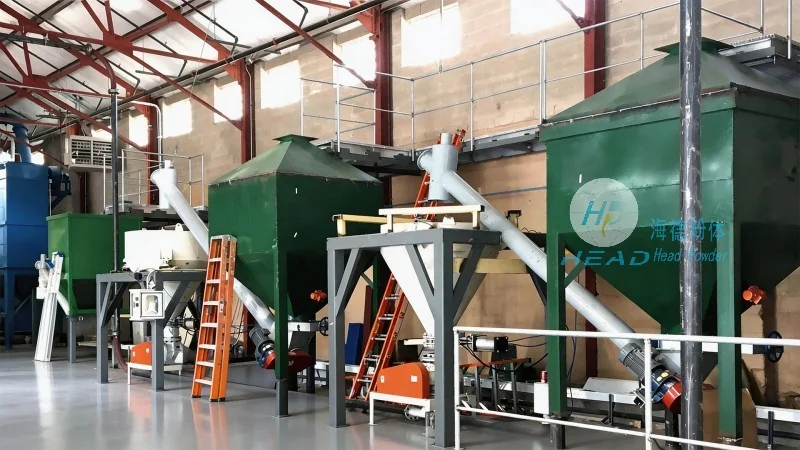
Key Characteristics of Sawdust Particle Pneumatic Conveying Systems
Several notable characteristics define the performance and suitability of sawdust particle pneumatic conveying systems. First, the system offers a high degree of flexibility in terms of layout and integration with existing facilities. This adaptability allows for seamless incorporation into production lines or storage systems. Second, the technology provides excellent material handling capabilities, ensuring minimal degradation or contamination of the sawdust during transport. This is crucial for maintaining the quality of the material, especially when it is intended for further processing or use in manufacturing. Third, the systems are generally compact and require less floor space compared to traditional mechanical conveying methods, making them ideal for facilities with limited space. Additionally, the operation of pneumatic conveying systems is relatively straightforward, with automated controls that enhance efficiency and reduce the need for manual intervention. The energy consumption of these systems is also a significant consideration, as optimizing the air flow and pressure can lead to substantial cost savings over time.
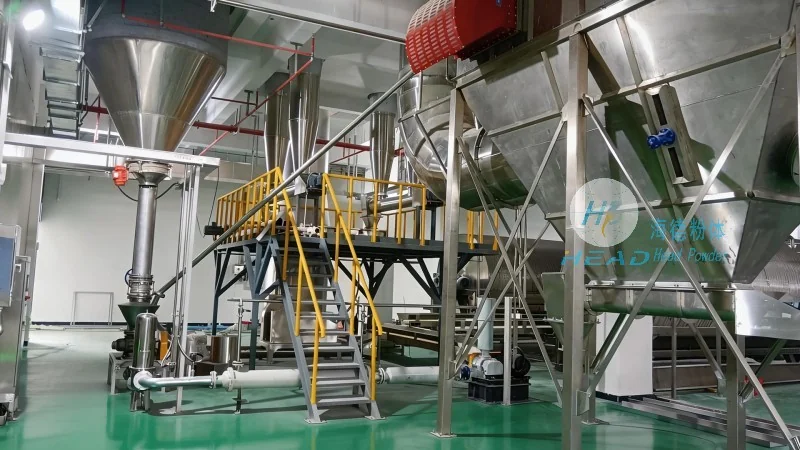
Applications and Benefits in Industrial Settings
The application of sawdust particle pneumatic conveying systems spans various industries, including woodworking, paper manufacturing, and biomass energy production. In the woodworking industry, for example, these systems are used to transport sawdust from processing machines to storage silos or to feed it into pelletizing equipment. The benefits in such applications include improved material flow control, reduced labor costs, and enhanced safety by minimizing manual handling of sawdust. In the paper industry, the system helps in transporting recycled fibers or sawdust as a raw material, contributing to the sustainability of the production process. The consistent and reliable transport of sawdust particles ensures that the downstream processes, such as papermaking or pellet production, operate smoothly without interruptions or material loss.
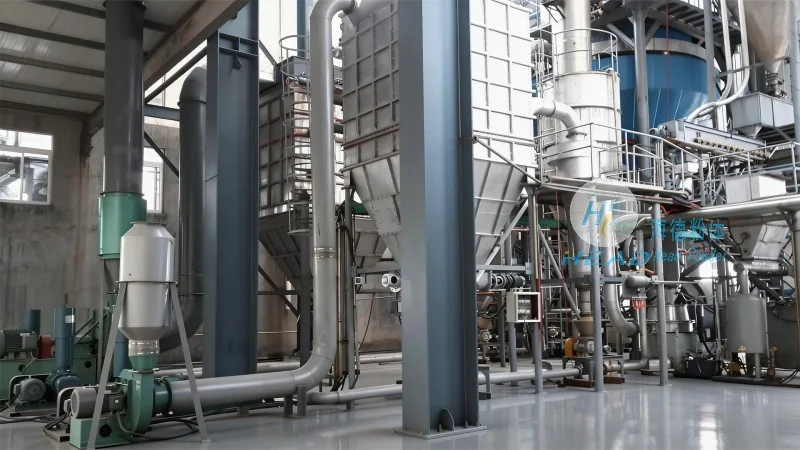
Conclusion and Company Overview
Shandong HeadPowder Engineering Co., Ltd. leverages its expertise in designing and manufacturing pneumatic conveying systems tailored to the specific needs of sawdust particle transport. By understanding the working principles and characteristics of these systems, industries can achieve efficient, cost-effective, and environmentally friendly material handling solutions. The company's commitment to quality and innovation ensures that its systems meet the highest standards, providing long-term reliability and performance for its clients. With a strong presence in China, particularly in Shandong, the company continues to serve a wide range of industrial applications, supporting the growth and sustainability of various sectors.




