Pneumatic conveying technology has emerged as a pivotal solution in the field of material handling, particularly for the efficient and reliable transport of dry sand. As industries increasingly demand precise and low-maintenance systems for bulk material movement, the application of advanced pneumatic conveying designs has become essential. This article explores the practical implementation and optimization strategies of pneumatic conveying systems specifically tailored for dry sand transport, highlighting the technical advancements and operational benefits that define modern material handling solutions.
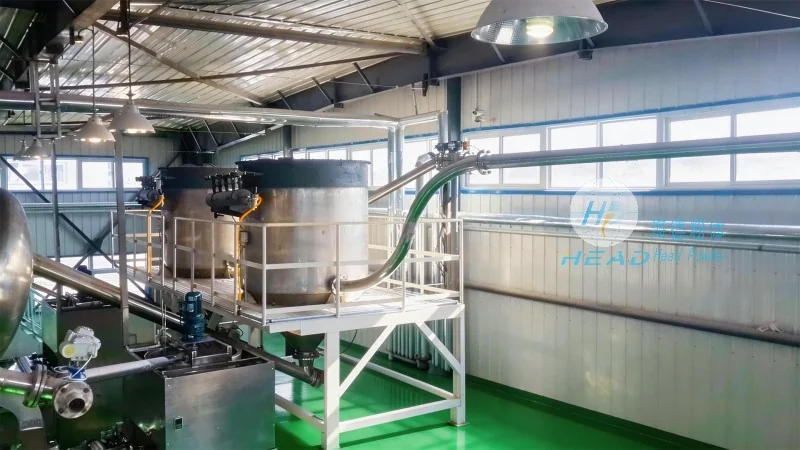
HeadPowder Engineering: A Leader in Pneumatic Conveying Solutions
At Shandong HeadPowder Engineering Co., Ltd., we specialize in the design, manufacturing, and integration of pneumatic conveying systems that meet the stringent requirements of dry sand handling applications. With a focus on innovation and customer-centric solutions, our company, commonly referred to as HeadPowder, has established itself as a trusted partner in the material handling industry. Our headquarters are located in Shandong, China, where we leverage local expertise and advanced manufacturing capabilities to deliver high-quality, customized conveying systems.
Key Features of Pneumatic Conveying Systems for Dry Sand
Our pneumatic conveying systems for dry sand transport are engineered with several key features that enhance performance and reliability. These include: high-efficiency airlocks to ensure smooth material flow, optimized pressure control systems that maintain consistent conveying rates, and robust filtration units to prevent dust contamination and ensure environmental compliance. The design incorporates durable materials suitable for abrasive dry sand, reducing wear and extending the service life of the equipment. Additionally, the systems are equipped with advanced monitoring and control interfaces, allowing for real-time performance tracking and proactive maintenance.
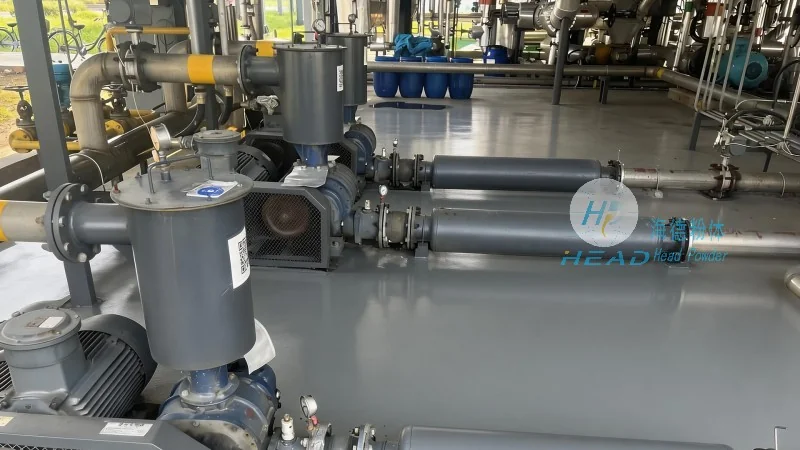
Optimization Strategies for Dry Sand Conveying
Optimizing pneumatic conveying systems for dry sand involves a comprehensive approach that considers both system design and operational parameters. Key optimization strategies include: adjusting air velocity and pressure to match the specific characteristics of the dry sand, such as particle size and moisture content. This ensures efficient transport while minimizing energy consumption. Another critical aspect is the selection of appropriate ducting materials and configurations, which can significantly impact system efficiency and longevity. By employing computational fluid dynamics (CFD) simulations and empirical data analysis, we can fine-tune the system design to achieve optimal performance under varying operational conditions.
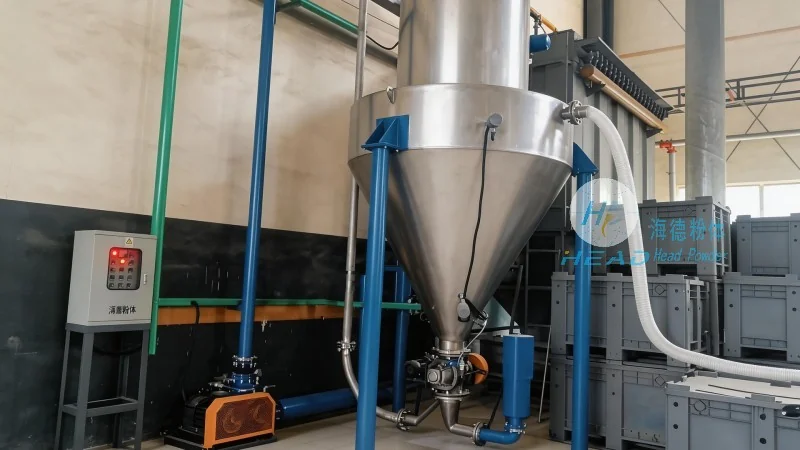
Benefits of Implementing Advanced Pneumatic Conveying Solutions
The adoption of advanced pneumatic conveying technology for dry sand transport offers numerous benefits for industrial operations. These include: enhanced safety through enclosed systems that prevent dust exposure, improved productivity with consistent and reliable material flow, and reduced maintenance costs due to the use of durable components and efficient design. Furthermore, the systems contribute to environmental sustainability by minimizing material loss and adhering to strict emission standards. By integrating these solutions, businesses can achieve a competitive edge in their respective markets while maintaining operational excellence.
Conclusion and Future Directions
In conclusion, the application and optimization of pneumatic conveying technology in dry sand transport represent a significant advancement in material handling solutions. At Shandong HeadPowder Engineering Co., Ltd., we are committed to delivering cutting-edge pneumatic conveying systems that address the unique challenges of dry sand handling. By combining technical expertise with customer-focused service, we continue to innovate and provide solutions that meet the evolving needs of the industry. As technology advances, we anticipate further developments in system efficiency and automation, which will further enhance the capabilities of pneumatic conveying for dry sand transport.




