

[WOKING PRINCIPLE AND CHARACTERISTICS OF FOAM PNEUMATIC CONVEYING]
Foam pneumatic conveying is a specialized method used in material handling and processing industries to transport bulk materials efficiently. This technology combines air and foam to create a stable, low-pressure conveying system that is particularly effective for handling fine powders and granular materials. The process involves injecting air into a liquid medium, typically water, to form a stable foam, which then carries the material through a pipeline. This approach offers several advantages over traditional pneumatic conveying systems, including reduced material degradation, lower energy consumption, and improved material flow control. The system is designed and manufactured by Shandong HeadPowder Engineering Co., Ltd., a company based in Shandong, China, with expertise in advanced material handling solutions.
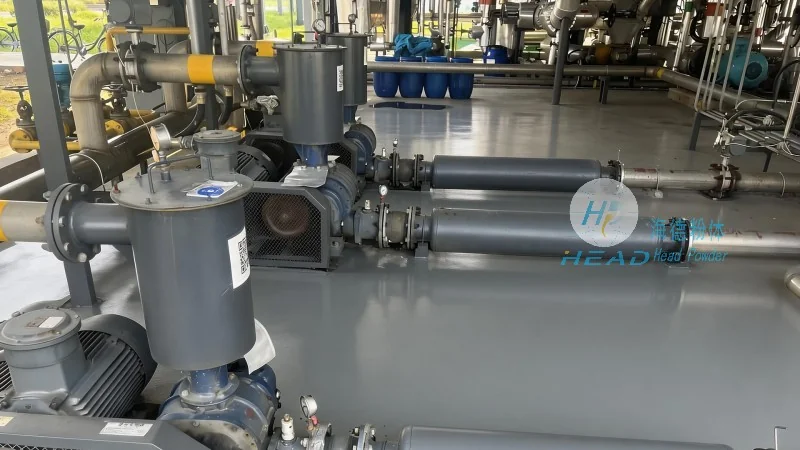
Working Principle of Foam Pneumatic Conveying
The core mechanism of foam pneumatic conveying operates through a series of interconnected steps. First, a liquid (usually water) is mixed with air under controlled conditions to generate a stable foam. The foam, characterized by its low density and high surface area, acts as a carrier medium for the solid particles. As the foam flows through the conveying pipeline, it entrains the material, transporting it from the source to the destination. The system typically includes a foam generator, a pipeline network, and a receiver where the material is separated from the foam. The foam is then typically reprocessed or disposed of, depending on the application. The key to the process is maintaining the foam's stability and ensuring efficient material transport without causing excessive pressure drops or material degradation. The company's engineers have optimized the foam generation process to achieve consistent performance across various material types and conveying distances.
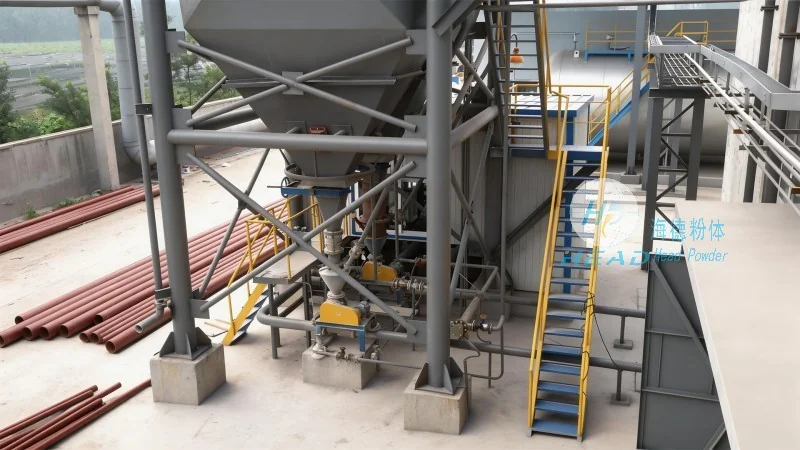
Key Characteristics of Foam Pneumatic Conveying
Foam pneumatic conveying exhibits several distinct characteristics that make it suitable for specific industrial applications. One of the primary advantages is its ability to handle fine powders and cohesive materials that are difficult to transport using conventional methods. The foam's low pressure and gentle flow minimize particle attrition and agglomeration, preserving the material's quality. Additionally, the system is energy-efficient compared to high-pressure pneumatic conveying, as it operates at lower air pressures and requires less power to maintain the foam. Another notable feature is the flexibility in material handling, as the conveying rate can be adjusted by modifying the foam generation parameters. The system also allows for the transport of materials over long distances with minimal maintenance, as the components are designed to withstand the low-pressure, foam-based environment. Furthermore, the process is environmentally friendly, as it reduces dust emissions and can be integrated with water recycling systems, making it a sustainable option for material handling.
Applications and Benefits in Industrial Settings
The applications of foam pneumatic conveying span various industries, including pharmaceuticals, food processing, and chemical manufacturing. In the pharmaceutical industry, it is used to transport sensitive powders, ensuring that the material remains intact and free from contamination. In food processing, it handles ingredients like flour and sugar, maintaining their quality and preventing cross-contamination. The chemical industry utilizes this technology for transporting powders that are prone to dust explosions, as the foam reduces the risk of ignition and provides a safer conveying environment. The benefits extend beyond material quality and efficiency; the system also enhances workplace safety by minimizing dust exposure and reducing the need for high-pressure equipment, which can pose safety risks. Additionally, the cost-effectiveness of foam pneumatic conveying, due to lower energy consumption and reduced maintenance requirements, makes it an attractive option for businesses looking to optimize their material handling processes. Shandong HeadPowder Engineering Co., Ltd. has successfully implemented this technology in numerous industrial projects, demonstrating its reliability and effectiveness.
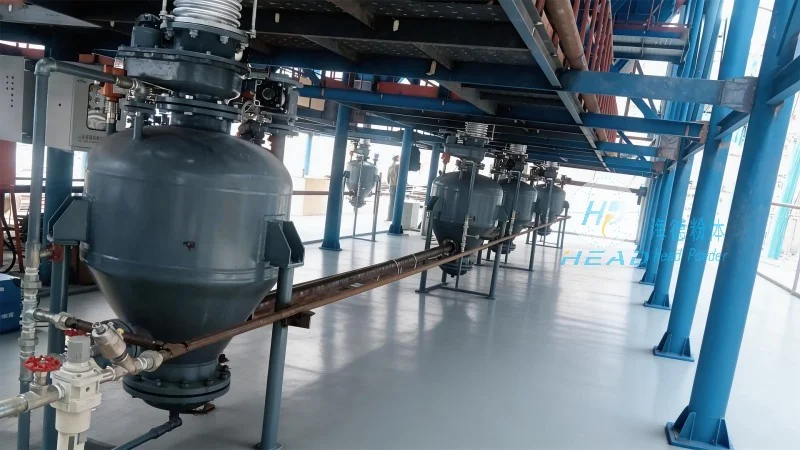
Technical Considerations and System Design
Implementing a foam pneumatic conveying system requires careful consideration of several technical factors to ensure optimal performance. The design of the foam generator is critical, as it must produce a stable foam with the appropriate density and air-to-liquid ratio. The pipeline system must be constructed from materials that are compatible with the foam and the conveyed material, such as stainless steel or specialized plastics, to prevent corrosion and material interaction. The system's control mechanisms, including flow meters and pressure sensors, are essential for monitoring and adjusting the conveying process in real-time. Additionally, the receiver and separation equipment must be designed to effectively separate the material from the foam, ensuring that the material is recovered efficiently and the foam is properly disposed of or recycled. The selection of the appropriate foam medium, such as water or other non-toxic liquids, depends on the material being conveyed and the environmental regulations of the application. Proper maintenance of the system, including regular cleaning and inspection of components, is crucial to prevent clogging and ensure consistent performance. The company's technical team provides comprehensive support, including system design, installation, and maintenance services to ensure long-term operational efficiency.