

[W]Working Principle and Characteristics of Synthetic Fiber Pneumatic Conveying
For industrial applications involving the transport of synthetic fibers, pneumatic conveying systems offer efficient and reliable solutions. This article explores the working principle and key characteristics of synthetic fiber pneumatic conveying, providing insights into how these systems operate and their advantages in material handling.
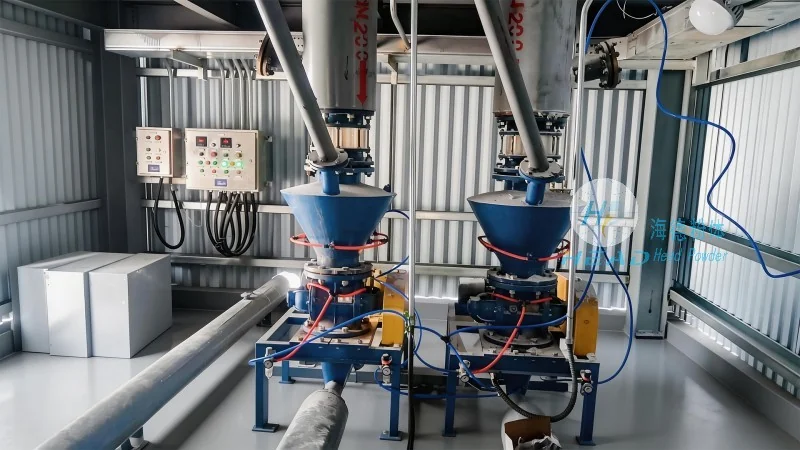
Understanding Synthetic Fiber Pneumatic Conveying
Synthetic fiber pneumatic conveying is a method used to transport fine or bulk synthetic fibers through a pipeline using compressed air or other gas as the conveying medium. Unlike traditional mechanical conveyors, this system relies on the force of air to move materials, making it particularly suitable for delicate or abrasive fibers that may be damaged by mechanical contact.
The Working Principle of Synthetic Fiber Pneumatic Conveying
The core of a synthetic fiber pneumatic conveying system involves several key components and processes. At its foundation is the air compressor, which generates the necessary pressure to move the fibers through the pipeline. The system typically includes a hopper for material storage, a feeder to control the flow rate, and a series of pipes or ducts that form the conveying path. As compressed air is introduced into the system, it creates a flow that draws the synthetic fibers from the hopper into the pipeline. The air velocity is carefully controlled to ensure that the fibers are suspended and transported without clogging or degradation.
Key operational steps include material loading, air compression, and the formation of a consistent air-fiber mixture. The air pressure and velocity are critical parameters that determine the system's efficiency and the condition of the fibers being conveyed. Proper design and maintenance of the system ensure that the fibers remain intact and that the conveying process is smooth and continuous.
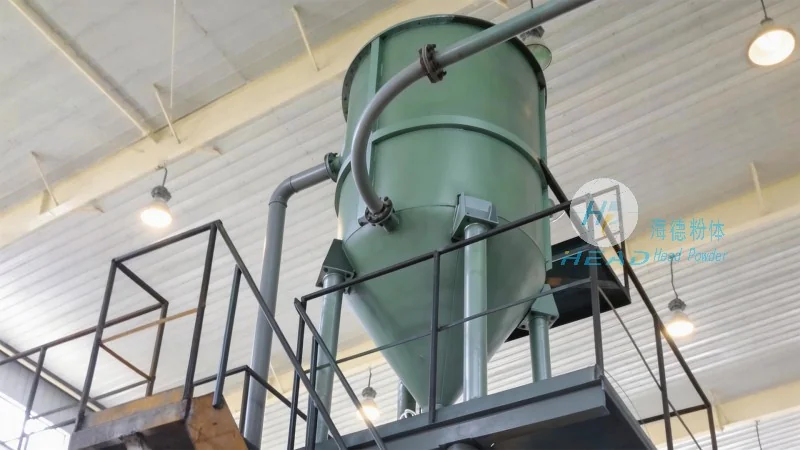
Key Characteristics of Synthetic Fiber Pneumatic Conveying
Several distinct characteristics define synthetic fiber pneumatic conveying systems, making them ideal for various industrial applications. One of the primary advantages is the ability to handle fine or dusty fibers without the need for additional equipment like hoppers or screens. The system's design minimizes material degradation, preserving the quality and integrity of the synthetic fibers throughout the transport process.
Another significant characteristic is the flexibility in system configuration. Pneumatic conveying systems can be adapted to different plant layouts, allowing for horizontal, vertical, or mixed-direction transport. This adaptability makes them suitable for complex production lines where materials need to be moved between multiple locations. Additionally, the system operates with minimal maintenance requirements compared to mechanical conveyors, reducing downtime and operational costs.
Energy efficiency is also a notable characteristic. By using compressed air as the primary driving force, the system can achieve high transport rates with relatively low energy consumption, especially when compared to other bulk material handling methods. The ability to handle a wide range of fiber types, from short fibers to long continuous strands, further enhances the versatility of these systems.
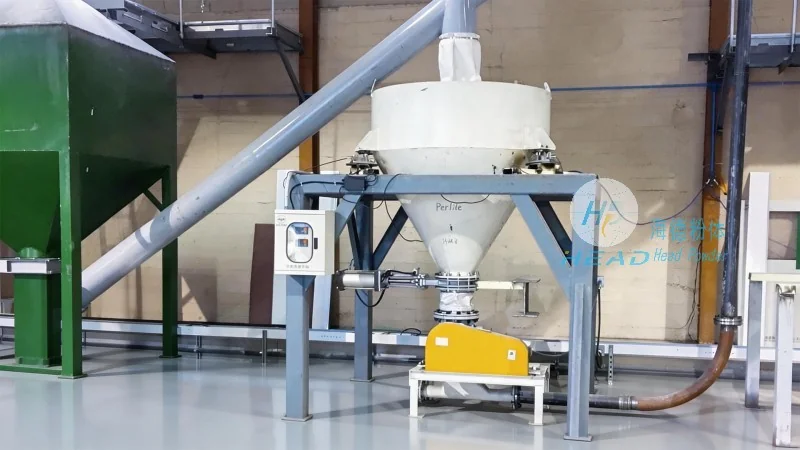
Applications and Benefits in Industrial Settings
Synthetic fiber pneumatic conveying systems are widely used in industries such as textiles, composites, and pharmaceuticals. In the textile industry, for example, these systems are used to transport raw fibers to spinning machines, ensuring a consistent and high-quality feed. In composite manufacturing, the system efficiently moves reinforcing fibers to molding equipment, improving production throughput and material consistency.
The benefits of using synthetic fiber pneumatic conveying extend beyond efficiency and flexibility. The system reduces labor costs by automating the material transport process and minimizes the risk of material contamination, which is critical in industries where product purity is paramount. Furthermore, the enclosed nature of the system helps maintain a clean and controlled environment, preventing dust and fiber particles from escaping into the workplace.
About HeadPowder Engineering Co., Ltd.
HeadPowder Engineering Co., Ltd., a leading provider of material handling solutions, specializes in designing and manufacturing synthetic fiber pneumatic conveying systems. With headquarters in Shandong, China, the company leverages advanced engineering and manufacturing capabilities to deliver high-quality, customized solutions tailored to the unique needs of industrial clients. HeadPowder's commitment to innovation and customer satisfaction ensures that their systems meet the highest standards of performance and reliability.