

Working Principle and Characteristics of Grain Pneumatic Conveying
Grain pneumatic conveying is a sophisticated technology used for transporting bulk materials such as grains, powders, and granules through a pipeline system using air as the primary conveying medium. This method has become a cornerstone in industries like agriculture, food processing, and chemical manufacturing, offering a highly efficient and hygienic solution for material handling. The system operates by creating a pressure differential within the pipeline, either by generating a vacuum (suction) or increasing pressure (blowing), which entrains the material and moves it from the source to the destination. The process is enclosed, ensuring that the material remains protected from external contaminants and dust, which is critical for maintaining product quality, especially in food-grade applications.
Working Principle of Grain Pneumatic Conveying
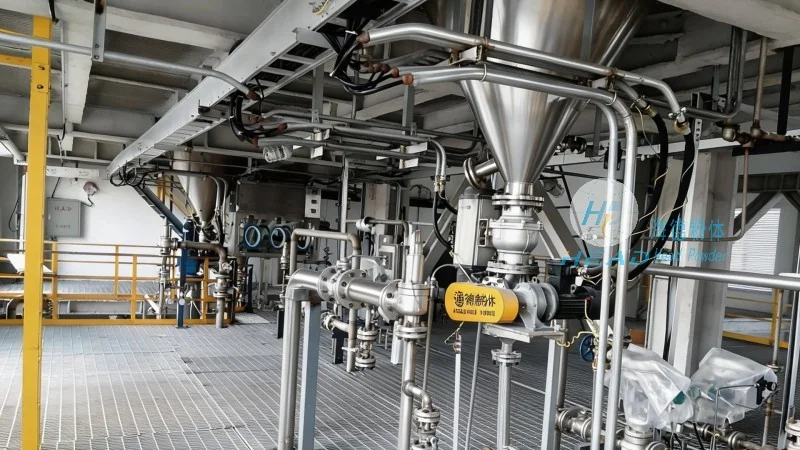
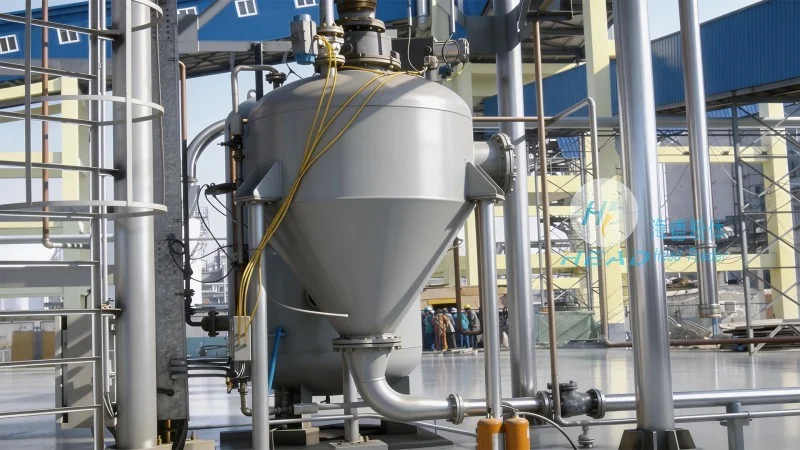
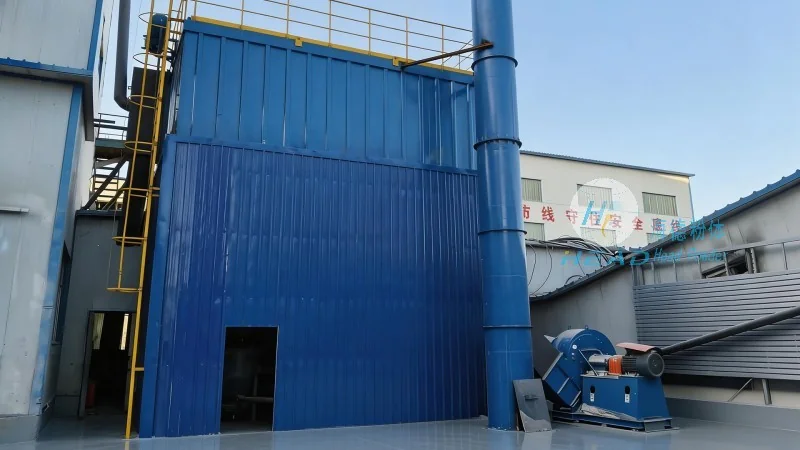
The fundamental working principle of grain pneumatic conveying involves the interaction between the material and the air stream within a sealed pipeline. The system typically consists of a hopper for material storage, a feeder to control the flow rate, a conveyor pipe, and a receiver for the discharged material. A blower or fan supplies the air, which is regulated to create the desired pressure or vacuum. In dilute phase conveying, the material is suspended in the air stream at a relatively low velocity, suitable for short to medium distances and low to medium material density. Dense phase conveying, on the other hand, uses higher air velocity and lower material concentration, ideal for longer distances and materials that are more sensitive to handling, such as fragile grains or fine powders. The material is entrained by the air, moving through the pipeline until it reaches the discharge point, where the air and material are separated by a cyclone or filter system. This separation process allows the material to be collected while the air is either recirculated or discharged, completing the conveying cycle.