

Working Principle and Characteristics of Fine Powder Pneumatic Conveying
At Shandong HeadPowder Engineering Co., Ltd., located in Shandong, China, we specialize in the design and implementation of fine powder pneumatic conveying systems, which are essential for efficiently transporting fine powders in various industrial applications. This article explores the fundamental working principle of such systems and highlights the key characteristics that make them a preferred choice in modern processing industries.
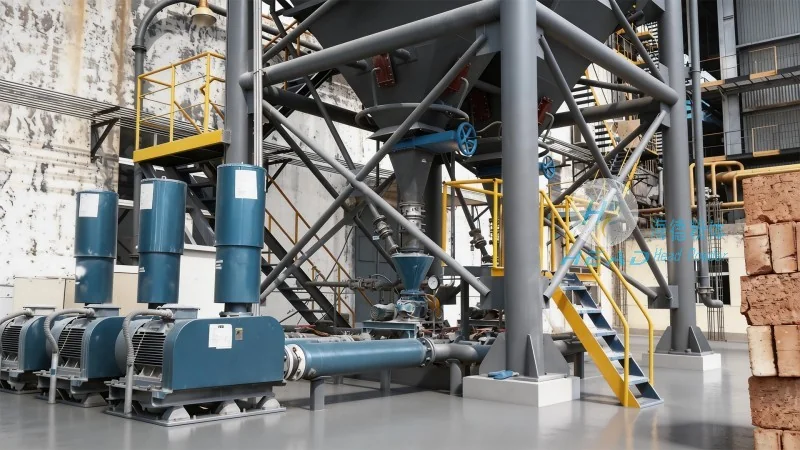
Firstly, let's delve into the working principle of fine powder pneumatic conveying. The core mechanism involves the use of a fluid, typically air or gas, to transport particulate materials through a pipeline. In the case of fine powders, the system operates by creating a pressure differential or using suction to draw the powder into the conveying line. The powder is then suspended in the air stream and transported to the destination point. This process eliminates the need for mechanical components like belts or buckets, reducing friction and wear while ensuring a clean and dust-free transfer.
There are two primary types of pneumatic conveying systems: pressure and vacuum. Pressure systems use compressed air to push the material through the pipeline, while vacuum systems use a vacuum to pull the material. For fine powders, pressure systems are often preferred due to their ability to handle higher material loads and maintain consistent flow rates. The system typically includes a hopper, a feeder, a conveying line, and a receiver. The hopper holds the powder, the feeder controls the flow rate, the conveying line transports the material, and the receiver collects the delivered powder.
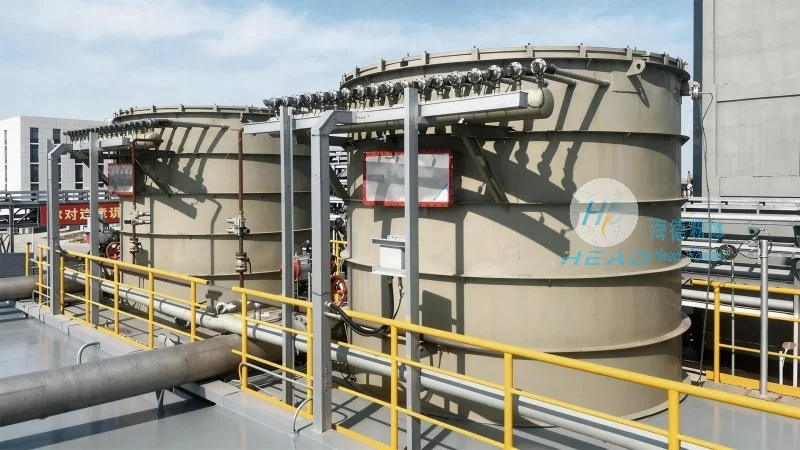
Now, let's discuss the key characteristics of fine powder pneumatic conveying. One of the most significant advantages is its efficiency in handling fine powders, which are prone to caking, agglomeration, or segregation. The air stream effectively breaks up agglomerates and maintains a uniform flow, preventing material degradation. Additionally, this method offers high flexibility in terms of layout, as the conveying line can be installed in various configurations without the need for complex infrastructure modifications.
Another notable characteristic is the environmental benefits of pneumatic conveying. Unlike traditional methods that may involve dust and contamination, fine powder pneumatic conveying systems are enclosed, minimizing the risk of airborne dust and ensuring compliance with environmental regulations. This makes them suitable for applications where dust control is critical, such as in pharmaceutical or food processing industries.
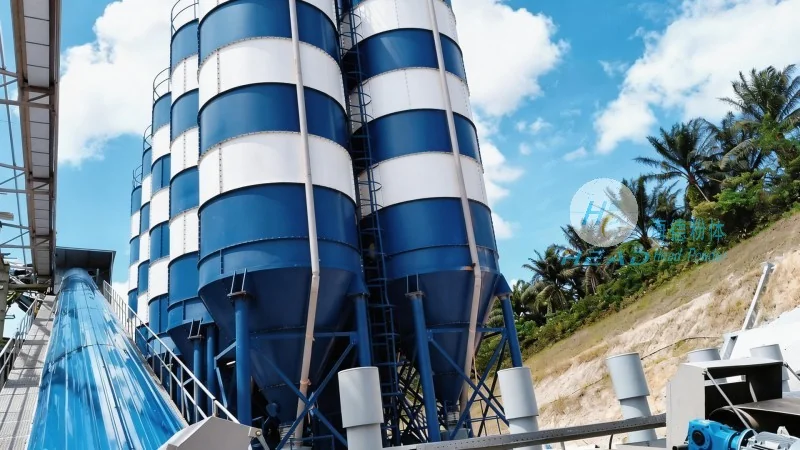
Furthermore, the system's ability to handle a wide range of materials makes it versatile. It can transport not only fine powders but also granules, pellets, and even liquids in some cases. The adaptability of the system allows it to be customized to meet specific process requirements, ensuring optimal performance in different industrial settings.
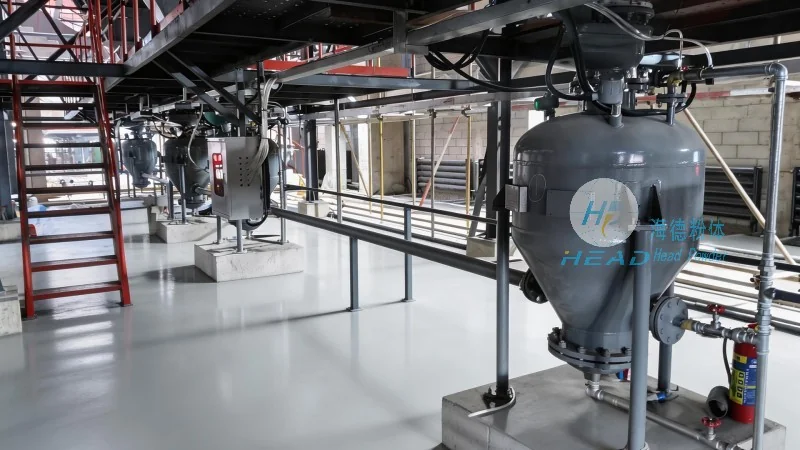
From a maintenance perspective, pneumatic conveying systems are relatively low-maintenance compared to mechanical systems. The absence of moving parts reduces the risk of wear and tear, and the enclosed design simplifies cleaning and maintenance procedures. This leads to lower operational costs and increased system reliability over time.
In conclusion, fine powder pneumatic conveying is a highly effective and efficient method for transporting fine powders, offering numerous advantages over traditional mechanical systems. At Shandong HeadPowder Engineering Co., Ltd., we leverage our expertise to design and implement tailored solutions that meet the specific needs of our clients, ensuring reliable and cost-effective material handling in various industrial applications.