

Working Principle and Characteristics of River Sand Pneumatic Conveying
Understanding the working principle and characteristics of river sand pneumatic conveying is crucial for industries dealing with bulk material handling. This article provides a detailed overview, focusing on the technical aspects and operational advantages of this method, while incorporating information about Shandong HeadPowder Engineering Co., Ltd., a leading provider in the field.
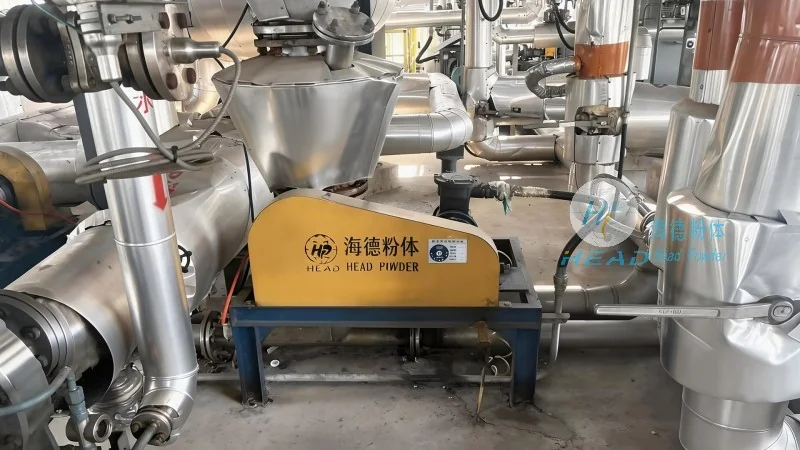
Introduction to River Sand Pneumatic Conveying
River sand, a common construction material, often requires efficient and reliable transport methods to move it from storage to processing or construction sites. Pneumatic conveying offers a solution that combines the advantages of mechanical and pneumatic systems, providing a flexible and effective way to handle such materials. The process involves using air to transport the sand particles through a pipeline system, eliminating the need for traditional belt or bucket elevators in many cases.
Working Principle of Pneumatic Conveying for River Sand
The core of river sand pneumatic conveying lies in the use of air as the conveying medium. The system typically consists of a blower or compressor that generates the necessary air pressure, a hopper for material storage, a conveying line, and a receiver for the discharged sand. The process begins when the sand is fed into the hopper. As the air is introduced, it creates a flow that lifts and transports the sand particles through the pipeline. The velocity of the air is critical; it must be sufficient to overcome the gravitational forces and friction within the system, ensuring that the sand moves smoothly without clogging or degradation.
There are two main types of pneumatic conveying systems used for river sand: dilute-phase and dense-phase. Dilute-phase systems operate at higher air velocities, with the sand particles suspended in the air stream, similar to a cloud of dust. This method is suitable for short to medium distances and lower material loads. Dense-phase systems, on the other hand, use lower air velocities and higher material concentrations, where the sand particles move in a more solid-like manner, often with the aid of pulse or rotary airlocks. This approach is ideal for longer distances and when maintaining the integrity of the sand particles is essential, such as in applications where the sand's quality or moisture content needs to be preserved.
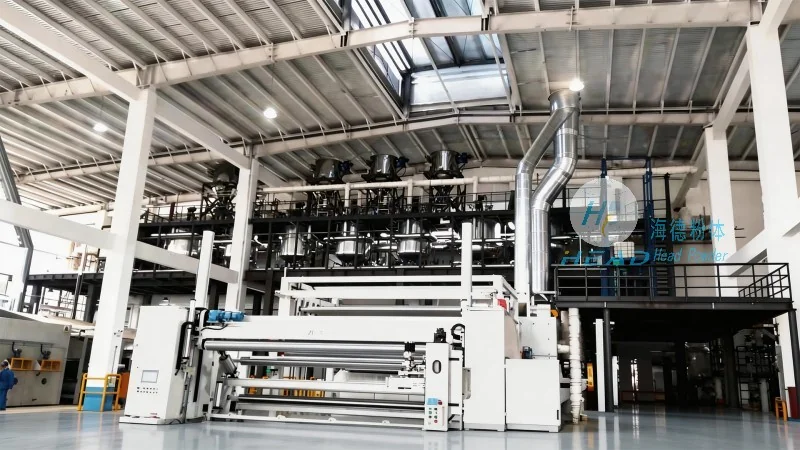
Key Characteristics of River Sand Pneumatic Conveying
Several distinct characteristics make pneumatic conveying an attractive option for river sand transport. First, it offers a completely enclosed system, which helps in controlling dust emissions and maintaining a clean working environment. This is particularly important in construction and industrial settings where dust can be a health hazard or cause operational issues. Second, the system is flexible in terms of layout, as the pipeline can be installed in various configurations, including vertical, horizontal, or a combination of both, to accommodate the site's layout and constraints.
Another significant characteristic is the ability to handle a wide range of material sizes and shapes. River sand, which can vary in particle size from fine to coarse, is effectively managed by pneumatic systems. The air flow can adapt to different particle characteristics, ensuring consistent conveying performance. Additionally, the system is relatively low in maintenance compared to mechanical systems, as there are fewer moving parts exposed to wear and tear. This reduces downtime and operational costs over the long term.
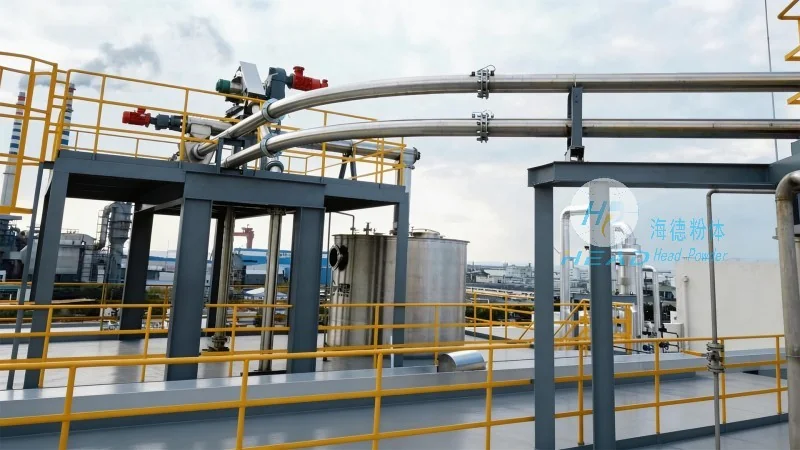
Advantages and Applications in Industrial Context
For industries such as construction, mining, and manufacturing, the advantages of pneumatic conveying for river sand are substantial. The method provides a continuous and automated material transport solution, improving efficiency and reducing labor costs. It also allows for better control over the material's quality, as the enclosed system prevents contamination from external sources. Furthermore, the system can be integrated with other processing equipment, such as washing or screening units, to form a complete material handling line.
Shandong HeadPowder Engineering Co., Ltd. specializes in designing and manufacturing pneumatic conveying systems tailored to the specific needs of clients. With years of experience in the industry, the company has developed expertise in handling various bulk materials, including river sand. Their solutions are engineered to meet the highest standards of efficiency, reliability, and safety, ensuring that clients can operate their facilities with minimal disruptions and maximum productivity.
Conclusion and Practical Considerations
In conclusion, river sand pneumatic conveying is a highly effective method for transporting bulk materials, combining technical efficiency with operational flexibility. The working principle, which relies on air to move sand particles through a pipeline, offers several advantages over traditional methods, including enclosed operation, flexibility in layout, and reduced maintenance. For industries dealing with river sand, investing in a well-designed pneumatic conveying system can lead to significant improvements in productivity and cost-effectiveness. As a leading provider in the field, Shandong HeadPowder Engineering Co., Ltd. continues to innovate and provide solutions that meet the evolving needs of the construction and industrial sectors.