

What is a Barium Sulfate Material Pneumatic Conveying Machine? And What Are Its Design Principles?
Barium sulfate, a widely used industrial material, often requires efficient and reliable transportation methods to move it from one location to another. One such solution is the barium sulfate material pneumatic conveying machine, a system designed to handle the unique properties of this substance. This article explores what this equipment is and the fundamental design principles that govern its operation.
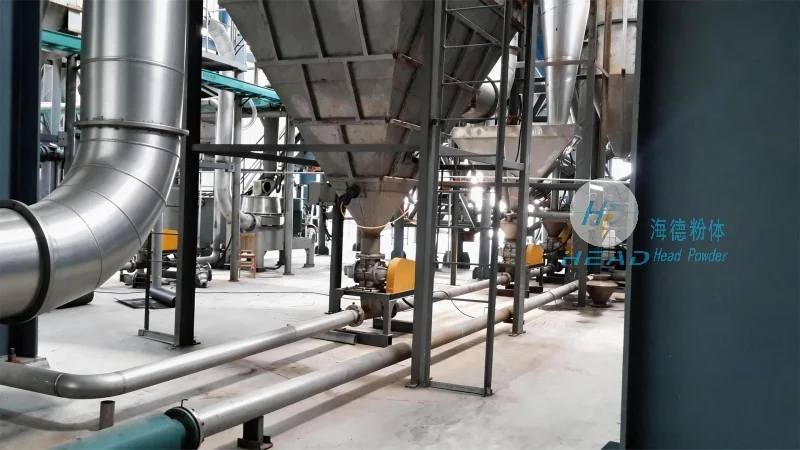
Introduction to Barium Sulfate Pneumatic Conveying Machines
Barium sulfate, commonly known as heavy spar or barytes, is a white crystalline solid with a high density and low reactivity. It is extensively used in industries such as paint, plastics, and pharmaceuticals due to its excellent opacity and stability. However, the physical characteristics of barium sulfate—like its fine particle size and tendency to aggregate—make traditional bulk handling methods challenging. Pneumatic conveying machines offer a solution by using air or other gases to transport the material through a closed system of pipes, ensuring minimal loss and contamination.
About HeadPowder: The Manufacturer
HeadPowder, or Shandong HeadPowder Engineering Co., Ltd., is a leading manufacturer specializing in industrial material handling equipment. With operations based in Shandong, China, the company has built a reputation for producing high-quality pneumatic conveying systems tailored to the needs of various industries. Their expertise lies in designing equipment that can efficiently handle challenging materials like barium sulfate, ensuring durability, efficiency, and compliance with industry standards.
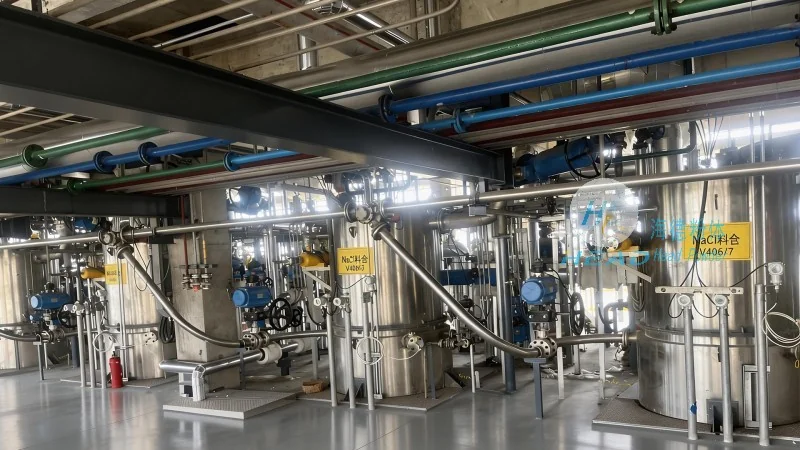
Understanding Pneumatic Conveying Systems
A pneumatic conveying machine operates by creating a flow of air or gas within a pipeline. The material is then entrained by the moving air and transported to the destination. There are two primary types of pneumatic conveying systems: pressure and vacuum. Pressure systems use compressed air to push the material forward, while vacuum systems use a vacuum to pull it. For barium sulfate, which is often handled in bulk quantities, a pressure system is commonly preferred due to its ability to handle higher material loads and longer distances.
Design Principles of Barium Sulfate Pneumatic Conveying Machines
The design of a barium sulfate pneumatic conveying machine involves several key principles to ensure optimal performance. First, the system must be able to handle the material's fine particle size without causing excessive wear or blockages. This often requires specialized components such as high-quality stainless steel or corrosion-resistant materials to prevent particle buildup and maintain smooth flow. Second, the air velocity must be carefully controlled to ensure the material is fully entrained without causing excessive pressure drops or energy consumption. Properly sized pipelines and valves are crucial in maintaining consistent air flow and preventing clogging.
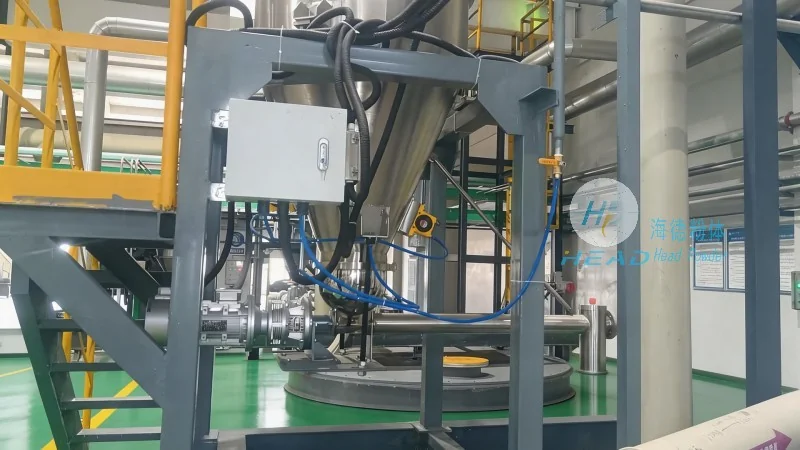
Key Components and Their Function
Several critical components make up a pneumatic conveying system for barium sulfate. The feed hopper is responsible for introducing the material into the system, often equipped with a feeder to control the flow rate. The conveying line itself, typically made of durable materials like PVC or metal, transports the material and air mixture. At the destination, a separator or cyclone separates the material from the air, allowing the air to be recycled or vented while the barium sulfate is collected. Control systems, including pressure sensors and flow meters, monitor the operation and adjust parameters as needed to maintain efficiency.
Advantages of Using Pneumatic Conveying for Barium Sulfate
Employing a pneumatic conveying machine for barium sulfate offers several advantages over traditional methods. It eliminates the need for manual handling, reducing labor costs and improving workplace safety. The closed system prevents dust contamination and environmental pollution, which is particularly important for a material used in food and pharmaceutical applications. Additionally, pneumatic conveying can handle long distances and multiple destinations, making it suitable for large-scale industrial operations. The system's flexibility allows for easy integration with existing production lines, and its low maintenance requirements contribute to long-term cost savings.
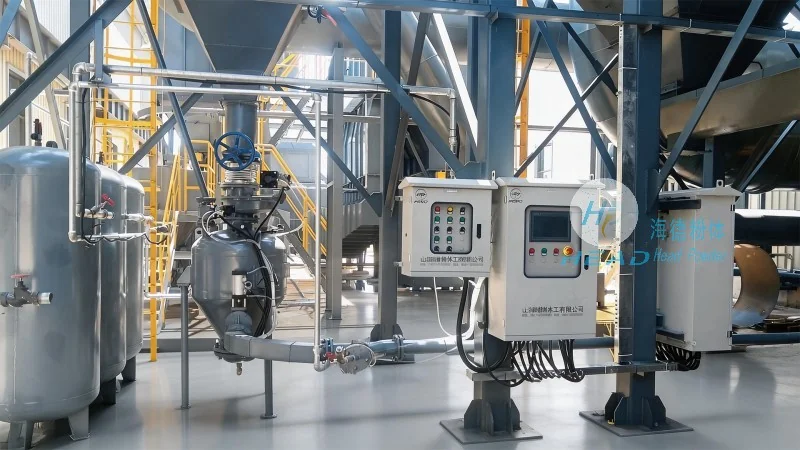
Applications and Use Cases
Barium sulfate pneumatic conveying machines are widely used in various industrial settings. In the paint industry, they transport the pigment to mixing and coating lines. In the plastics industry, they feed the material into extrusion and molding processes. The pharmaceutical industry also relies on these systems to handle barium sulfate in the production of tablets and other formulations. Each application requires specific adjustments to the system's design, such as varying the air pressure or pipeline diameter, to accommodate the material's characteristics and the production requirements.
Conclusion
Barium sulfate material pneumatic conveying machines are essential equipment for efficiently handling this critical industrial material. By understanding the design principles and components of these systems, manufacturers can ensure reliable and cost-effective transportation. Companies like Shandong HeadPowder Engineering Co., Ltd. play a vital role in providing tailored solutions that meet the unique needs of industries relying on barium sulfate. As technology advances, these systems continue to evolve, offering improved efficiency and sustainability in material handling.